

How Property Owners Prepare for Government and Corporate Direct Lease Opportunities
For property owners, direct lease opportunities with government agencies and corporate housing programs represent more than short-term occupancy. They offer structured revenue, longer-term stability, and partnership access to repeat deployments.
But direct lease is not the same as listing a unit on the open market.
Government agencies, contracting officers, and corporate relocation teams operate under procurement rules, compliance standards, and operational expectations that require preparation well before a contract is activated. Owners who understand this difference position themselves ahead of last-minute scrambles when demand surges.

Scaling Workforce Housing Across State Lines: What Corporate Teams Must Plan Early
When workforce deployments expand across state lines, complexity increases faster than most corporate teams anticipate.
A single-city assignment can be managed through local sourcing and short-term coordination. But once projects stretch into multiple states, lodging becomes a strategic function tied directly to timelines, budgets, compliance, and workforce stability.
Construction teams mobilize across regions. Healthcare systems deploy traveling professionals into new markets. Infrastructure projects scale from one state to the next. Insurance adjusters and field teams follow weather events across borders. In each case, housing is no longer a transactional task. It becomes operational infrastructure.
The difference between controlled expansion and logistical disruption often comes down to what was planned before the first booking was made.

5 Compliance Standards Contracting Officers Expect From Lodging Partners
For contracting officers, lodging is never just about availability. It is about compliance, documentation, risk mitigation, and audit readiness.
Whether supporting emergency response missions or workforce deployments, lodging partners must demonstrate operational discipline that aligns with procurement regulations, funding requirements, and public accountability standards.
Here are five compliance standards contracting officers consistently expect from lodging partners.

Clarifying Roles in Lodging Deployments: How Agencies, Employers, and Property Owners Share Responsibility
Lodging deployments slow down for one main reason: unclear roles.
Whether the program supports emergency response, workforce relocation, or multi-state infrastructure projects, confusion around responsibility leads to delays, compliance risk, and operational friction.
Agencies, corporate teams, and property owners each carry different obligations. When those responsibilities are not defined early, performance suffers.
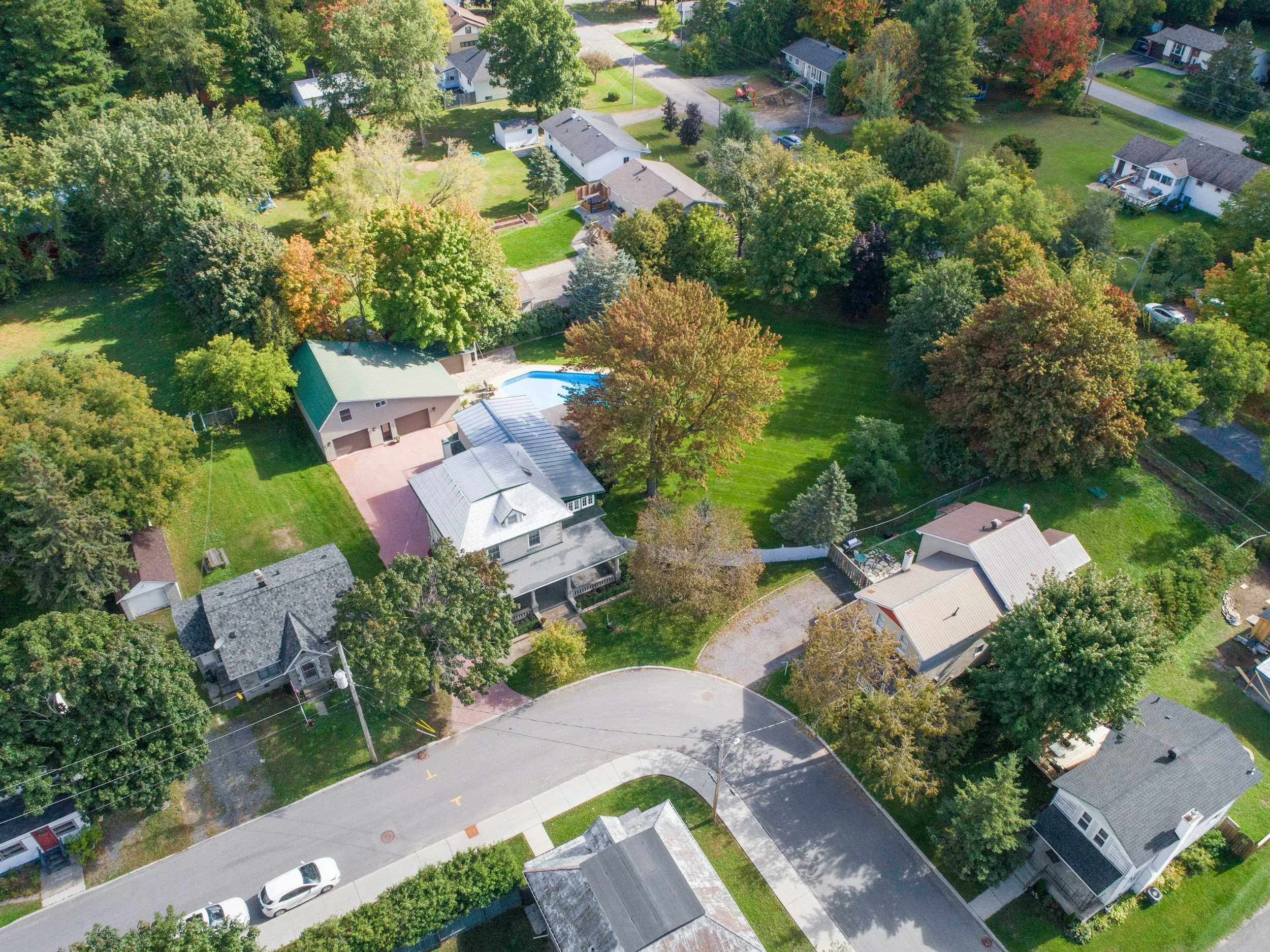
How Agencies and Corporate Teams Build Scalable Lodging Networks With Property Partners
Large-scale lodging programs do not succeed because inventory exists.
They succeed because networks are structured.
Whether supporting emergency response, workforce deployments, traveling healthcare professionals, or corporate relocations, agencies and corporate teams require lodging networks that can expand, contract, and shift geographically without operational friction.
Scalability is not accidental. It is built through deliberate partnership with property owners and centralized coordination.

How Property Owners Can Become Emergency Lodging Partners for Government and Corporate Programs
Fully furnished residential living space managed through Lima Charlie Inc. for compliant corporate housing and emergency lodging deployments.

Workforce Deployment in Winter: Why Corporate Lodging Planning Can’t Be Seasonal
Winter weather continues to expose a common gap in workforce planning: lodging strategies that only activate when disruption is already underway. Snowstorms, ice events, power outages, and transportation shutdowns do not operate on predictable schedules, and neither do the workforce deployments that support critical operations during these events.

What Winter Storm Disruptions Reveal About the Transition From Short-Term Corporate Lodging to Stable Housing
Winter storms routinely disrupt workforce mobility across the U.S., turning short-term assignments into extended deployments with little notice. Flight cancellations, road closures, and power outages can quickly shift timelines, leaving organizations relying on lodging solutions that were never designed for longer stays.

How Corporate Housing Helps Maintain Business Continuity During Winter Weather Disruptions
Winter weather disruptions don’t just slow operations — they can halt projects, interrupt critical services, and create cascading impacts across entire organizations. Snowstorms, ice events, and extreme cold routinely affect transportation networks, utilities, and workforce availability across multiple regions at once. For organizations with distributed teams or time-sensitive operations, maintaining continuity during these events depends heavily on one factor: lodging.
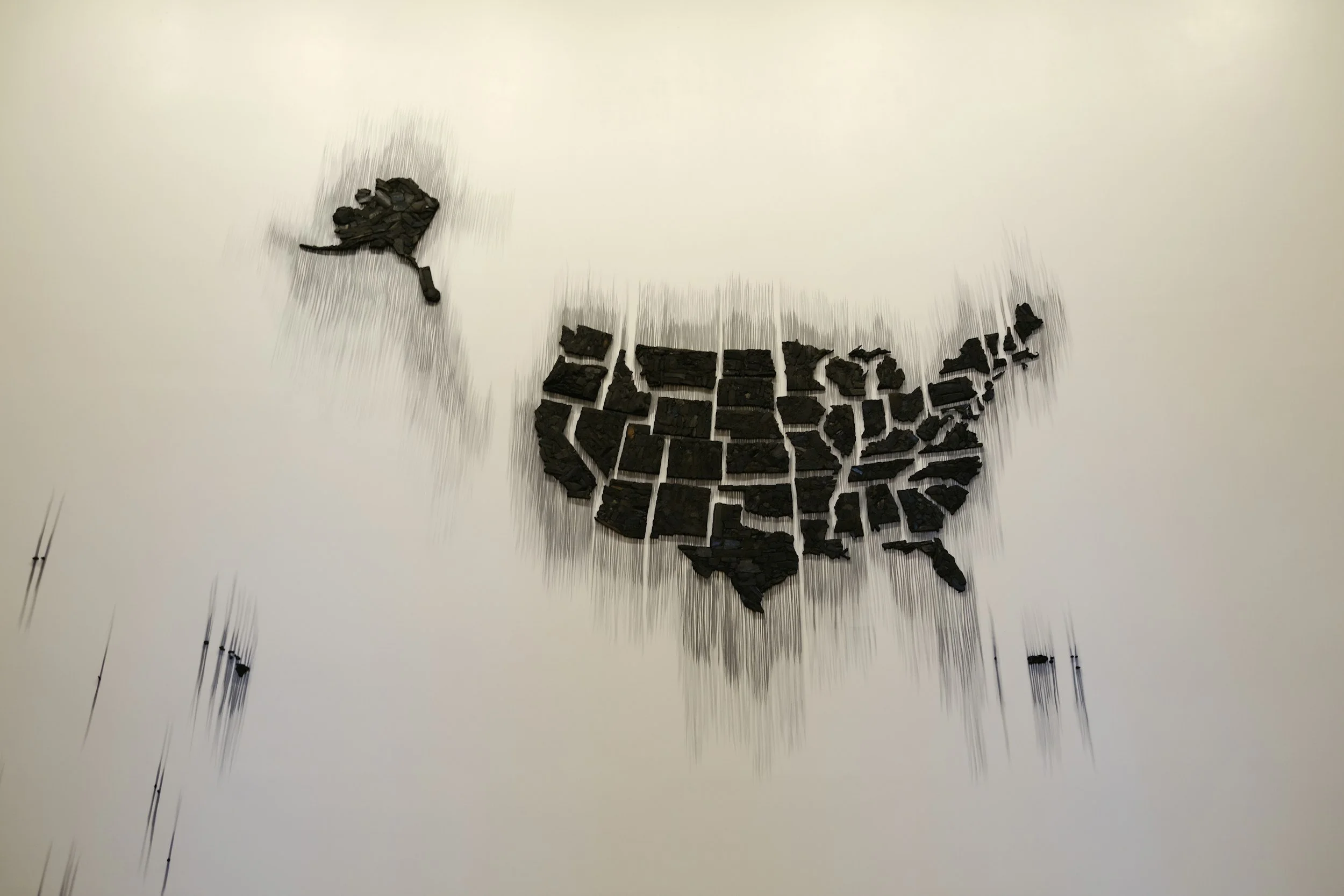
Multi-State Winter Storms: Coordinating Emergency Lodging Across Jurisdictions in Real Time
When winter storms stretch across multiple states, emergency response becomes exponentially more complex. Snow, ice, and extreme cold don’t stop at state lines, and neither does displacement. Agencies are often forced to activate emergency lodging simultaneously across different jurisdictions, each with its own authorities, regulations, reporting requirements, and operational constraints.

When Weather Disrupts the Workforce: Corporate Lodging Strategies During Severe Winter Events
Severe winter weather doesn’t just slow traffic — it disrupts entire workforces. Snow, ice, extreme cold, and power outages can halt projects, delay deployments, and strand essential personnel far from where they’re needed most. For organizations operating across multiple regions, winter events quickly become a lodging and logistics problem, not just a weather one.

From Ice Storms to Power Outages: How Emergency Lodging Supports Communities During Winter Infrastructure Failures
Winter weather doesn’t need to destroy buildings to displace communities. Ice storms, freezing rain, and extreme cold routinely overwhelm power grids, water systems, and transportation networks, forcing residents out of otherwise intact homes.
When heat fails, pipes freeze, or roads become unsafe, emergency lodging becomes essential infrastructure — providing stability while utilities and services are restored.
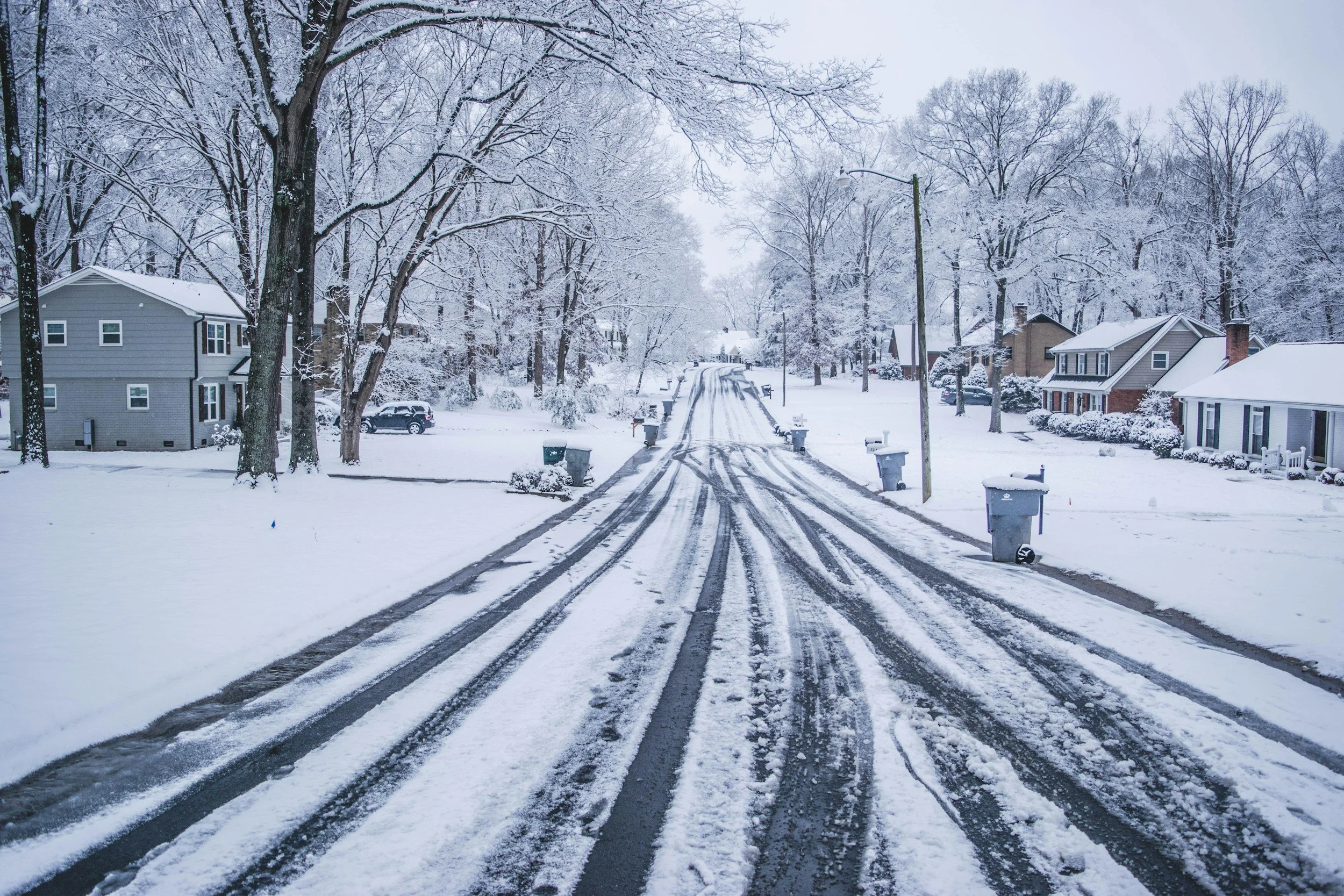
When Winter Storms Trigger Multi-State Displacement: Coordinating Emergency Lodging at Scale
Severe winter storms are currently impacting multiple regions across the United States, bringing snow, ice, extreme cold, and hazardous travel conditions. As roads close, power outages spread, and local resources become strained, agencies are often required to coordinate emergency lodging across county and state lines — sometimes within hours.
These events highlight a recurring reality: winter storms create immediate, large-scale lodging needs that cannot be managed locally alone.

5 Reporting and Tracking Requirements Agencies Should Expect in Emergency Lodging
When an emergency strikes, timely access to shelter is crucial for those displaced. For agencies tasked with coordinating emergency lodging, effective reporting and tracking are key to ensuring that resources are allocated efficiently and that the needs of displaced individuals are met quickly. From natural disasters to large-scale evacuations, here are five reporting and tracking requirements agencies should expect to encounter when managing emergency lodging operations.

What Makes a Corporate Housing Partner Reliable for Long-Term Deployments
When it comes to supporting employees during extended work assignments or relocations, reliable corporate housing is a critical piece of the puzzle. Organizations need a partner they can trust to provide not only a place to stay but a stable, comfortable environment that helps workers feel settled, even during long-term projects. In this blog, we’ll dive into the key factors that make a corporate housing partner reliable for long-term deployments and how Lima Charlie Inc. stands out in meeting these needs.

How Centralized Lodging Simplifies Workforce Deployments Across Multiple Cities
When managing large-scale workforce deployments, especially across multiple cities, logistical challenges are inevitable. Ensuring your teams are housed in convenient, safe, and comfortable accommodations should be a priority for any organization. Centralized lodging is emerging as a solution for organizations aiming to streamline their workforce’s lodging needs, ensuring efficiency and consistency in times of transition. Whether you're dealing with an ongoing project, a temporary surge in staffing, or an emergency situation, centralized lodging brings a level of simplicity and structure that is invaluable.
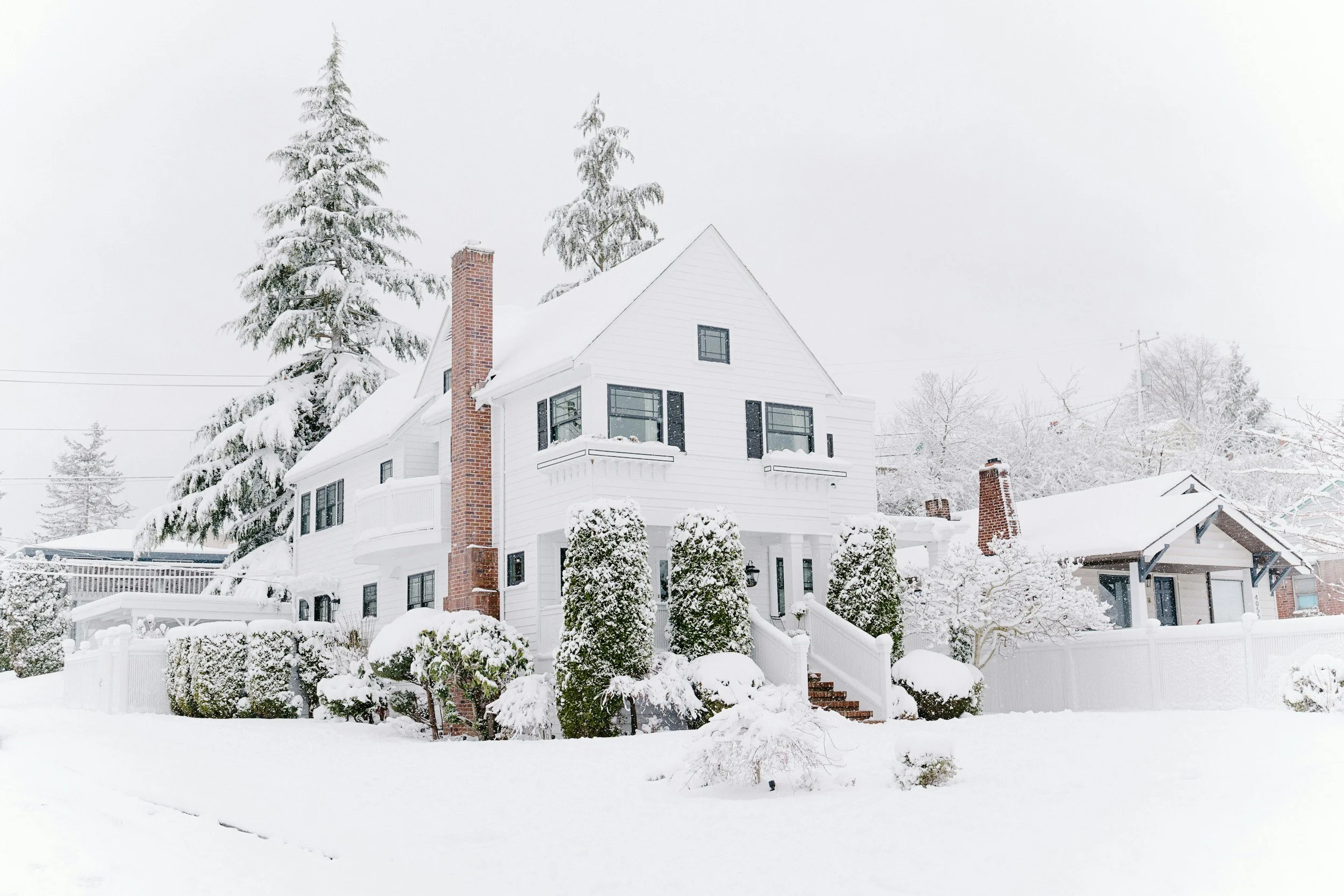
From Short-Term Shelter to Stable Lodging: Managing Winter Storm Displacement Transitions
Winter storms often lead to significant displacement, forcing individuals and families into temporary shelters. However, as the storm's impact subsides, the need to transition to stable, long-term lodging becomes critical for recovery. Agencies must plan ahead for this transition, ensuring that those displaced have a safe and dignified place to stay during the recovery process.

When Winter Storms Trigger Multi-State Displacement: Coordinating Emergency Lodging at Scale
Winter storms have become an increasingly common cause of multi-state displacement, creating urgent and large-scale demand for emergency lodging. Whether it's due to snow, ice, or freezing temperatures, thousands of individuals may need to seek temporary shelter in a short amount of time. This can create significant logistical challenges for agencies responsible for coordinating emergency housing.

Snow, Ice, and Extreme Cold: Unique Challenges in Emergency Lodging Operations
As of January 26, 2026, several U.S. states have been battling severe winter weather, including snowstorms, freezing rain, and dangerously cold temperatures. While agencies are often prepared for emergency lodging needs in the wake of hurricanes or wildfires, the challenges presented by snow, ice, and extreme cold are distinct. These conditions create unique demands on lodging infrastructure, coordination, and response times.
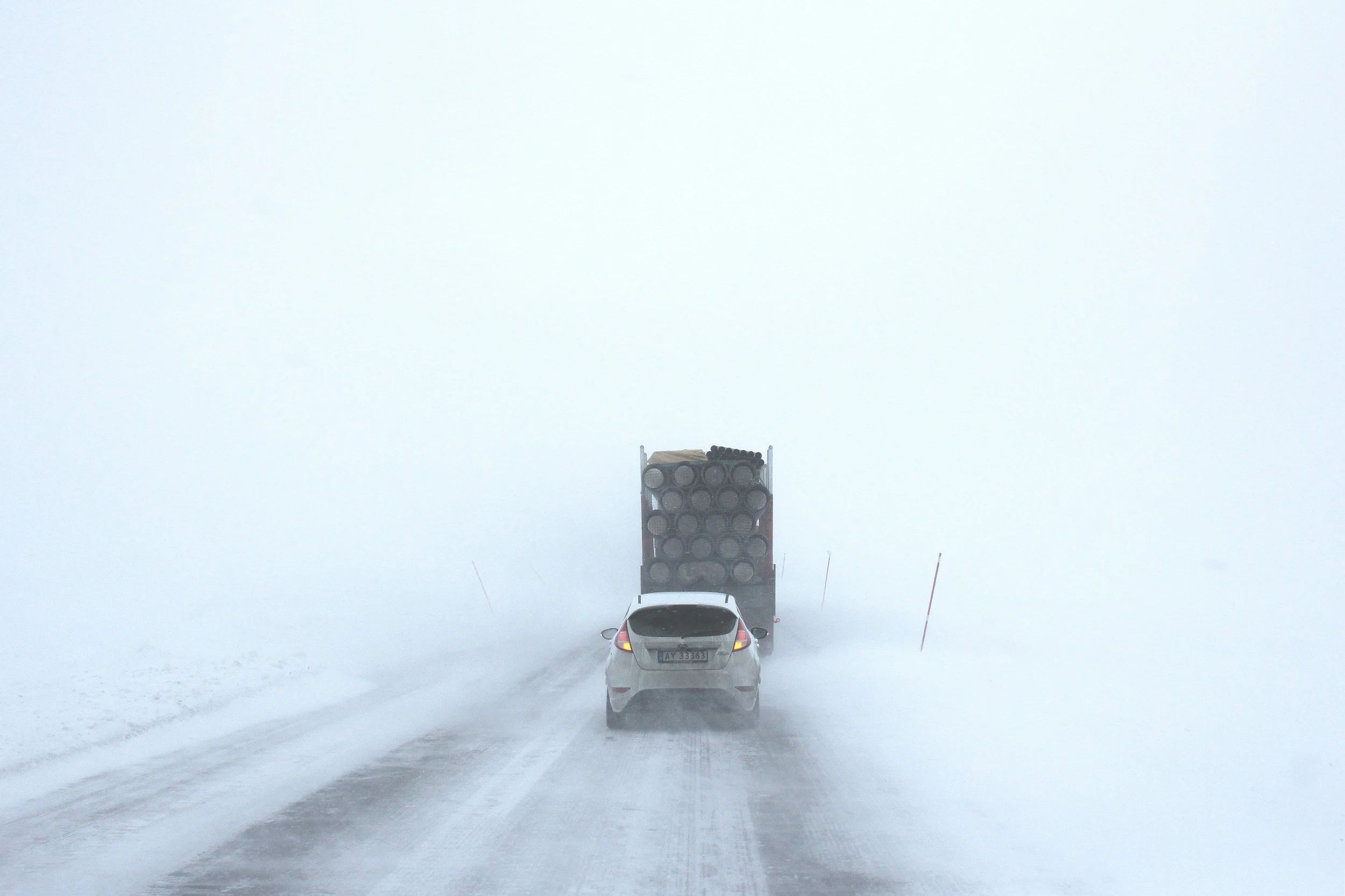
Winter Storm Emergency Lodging: What Agencies Should Prepare for Before Roads Close
As of January 26, 2026, multiple winter storm systems are impacting large portions of the United States, bringing heavy snow, ice accumulation, extreme cold, hazardous travel conditions, and power disruptions across several states. Emergency declarations and road closures are already affecting access in many regions, with conditions continuing to evolve.