
Multi-State Winter Storms: Coordinating Emergency Lodging Across Jurisdictions in Real Time
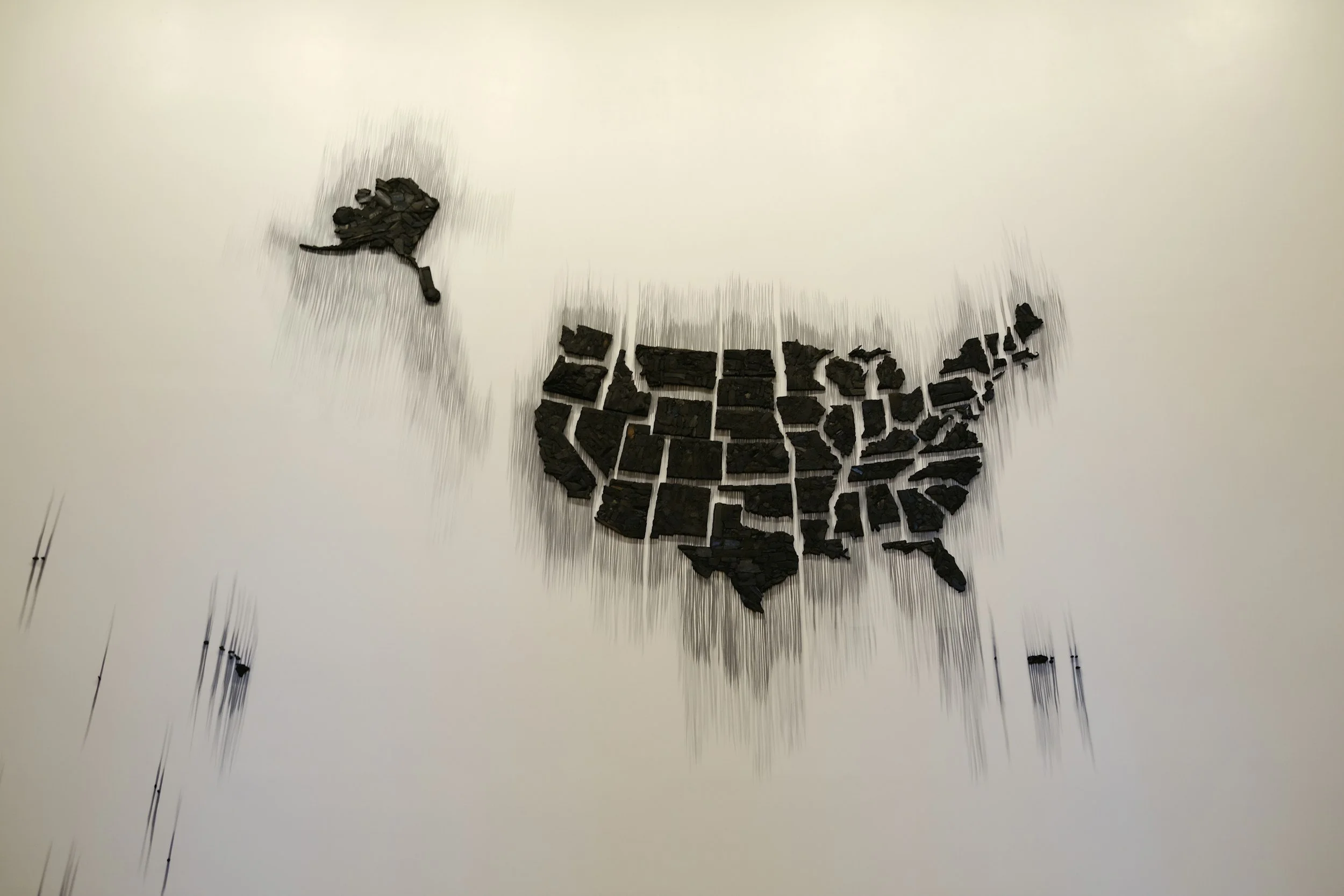
When winter storms stretch across multiple states, emergency response becomes exponentially more complex. Snow, ice, and extreme cold don’t stop at state lines, and neither does displacement. Agencies are often forced to activate emergency lodging simultaneously across different jurisdictions, each with its own authorities, regulations, reporting requirements, and operational constraints.
In these moments, the difference between fragmented response and coordinated execution comes down to how well emergency lodging is planned, centralized, and managed in real time.
Why Multi-State Winter Storms Create Unique Lodging Challenges
Unlike localized disasters, regional winter systems can impact dozens of counties and multiple states at once. Roads close unevenly. Power outages cascade across utility regions. Shelters fill at different rates. Some jurisdictions move quickly, while others face administrative or procurement delays.
Emergency lodging programs must adapt on the fly to:
Varying state and local compliance requirements
Different activation timelines across jurisdictions
Rapidly shifting displacement patterns as conditions worsen or improve
Simultaneous demand from multiple agencies competing for limited lodging inventory
Without centralized coordination, agencies risk duplicating efforts, overbooking properties, or leaving displaced households without clear placement options.
The Role of Real-Time Coordination in Emergency Lodging
Effective multi-state lodging operations rely on a single operational picture. That means real-time visibility into available units, occupancy status, inspection readiness, and tenant placement across all affected areas.
Agencies that succeed during large winter storms typically rely on:
Centralized intake and placement workflows
Consistent unit standards applied across jurisdictions
Unified reporting structures that roll up local activity into regional oversight
Dedicated points of contact to coordinate between state, county, and municipal partners
This approach allows agencies to shift resources quickly as storm impacts evolve, rather than restarting the lodging process in each new location.
Managing Compliance Across Jurisdictional Boundaries
One of the most overlooked challenges during multi-state winter events is compliance alignment. Housing standards, inspection protocols, documentation requirements, and reporting expectations can vary significantly between states and even counties.
Emergency lodging providers must be able to:
Track jurisdiction-specific requirements without slowing deployment
Maintain consistent habitability and safety standards regardless of location
Produce accurate, audit-ready reporting for multiple oversight entities
Adjust contracts and lease structures as programs expand or contract
Without an experienced lodging partner, agencies can quickly become overwhelmed by administrative complexity during an already high-pressure response.

Scaling Emergency Lodging Without Losing Human Support
Winter displacement often includes vulnerable populations: families with children, elderly residents, and individuals with medical needs affected by power outages or heating failures. During multi-state events, it’s easy for human support to get lost in the rush to scale.
Successful programs ensure:
24/7 tenant support lines staffed by real people
Clear communication channels for agencies and occupants
Rapid maintenance response despite weather-related access challenges
Dignified placements that prioritize safety, privacy, and stability
Emergency lodging isn’t just about placing units. It’s about maintaining trust and continuity during uncertainty.
Why Centralized Emergency Lodging Partners Matter
Multi-state winter storms expose the limits of decentralized lodging approaches. Agencies working with fragmented vendor networks often struggle to maintain consistency, visibility, and speed.
A centralized emergency lodging partner brings:
Nationwide reach with localized execution
Unified systems for placement, tracking, and reporting
Experience navigating complex, overlapping jurisdictions
The ability to scale up or down as storm impacts shift
This model reduces friction between agencies and allows responders to focus on mission-critical decisions rather than logistics.

Final Thought
As winter storms continue to affect large regions simultaneously, emergency lodging can no longer be planned one jurisdiction at a time. Agencies need real-time coordination, centralized oversight, and partners who understand how to operate across state lines without sacrificing compliance, speed, or human care.
Lima Charlie Inc. is a veteran-led emergency lodging provider with nationwide experience supporting large-scale, multi-jurisdictional responses. Since 2021, Lima Charlie Inc. has supported 37,000+ households nationwide, delivering compliant, move-in-ready lodging with 24/7 human support, real-time reporting, and proven coordination across federal, state, and local agencies.
Need Support with a Transition Now?
If your emergency lodging mission is extending longer than expected, or you need immediate guidance:
📞 Customer Service – 24/7 Emergency Support: (888) 418-4773
You’ll reach a real human being, not an endless automated system.
There may be a very brief automated menu, but emergencies are routed quickly to live support — any time, day or night.
When housing needs change, responsive support matters.