

What Relocation Specialists Do and How Lodging Fits Into Workforce Deployments
Relocation specialists are essential to workforce mobility. Their success depends heavily on lodging that is reliable, flexible, and supported by real people who understand deployment pressures.

7 Emergency Lodging Best Practices Agencies Can Apply Before the Next Crisis
When a disaster strikes, emergency lodging decisions must be made quickly, under pressure, and often with incomplete information. Agencies that struggle most during a crisis are rarely short on intent — they are short on preparation.

Emergency Lodging Planning for Disaster-Prone States: What to Prepare Now
Emergency lodging planning is not just about securing rooms or properties. It requires coordination, documentation, vendor readiness, and a clear operational framework that can be activated under pressure. States that prepare early are able to move faster, reduce costs, and support displaced populations with greater dignity and stability.

Supporting Displaced Populations with Dignity: 6 Principles Agencies Should Follow
Emergency lodging is often discussed in terms of logistics, contracts, and timelines. But at its core, it is about people—families, individuals, seniors, and vulnerable populations navigating sudden displacement during crisis.

5 Reasons Human Support Still Matters in Emergency Lodging Operations
In emergency lodging operations, speed and scale matter — but human judgment, empathy, and accountability still make the difference between a solution that works on paper and one that works in real life.

How Agencies Coordinate Emergency Lodging Across Multiple Jurisdictions
Disasters rarely respect jurisdictional boundaries. Hurricanes, wildfires, floods, and large-scale infrastructure failures often displace people across cities, counties, and even state lines.

When Emergency Lodging Becomes Long-Term: 4 Signs It’s Time to Transition
Emergency lodging is designed to be immediate, flexible, and fast. But in many disaster responses, what begins as a short-term solution can quietly extend into weeks or months.

5 Documents Agencies Should Prepare Before Emergency Lodging Activation
When a disaster strikes, emergency lodging decisions must happen fast. Agencies that are prepared can activate housing within hours. Agencies that are not often face delays, confusion, and avoidable risk.

What “Move-In Ready” Really Means for Emergency Lodging
When a disaster strikes, time is of the essence. For those in need of emergency housing, the term “move-in ready” becomes crucial. But what does “move-in ready” truly mean for emergency lodging?

Direct Lease vs Hotel Blocks: 5 Key Differences Agencies Should Understand
When disaster strikes, agencies must act quickly to provide safe, reliable lodging for displaced individuals. In these situations, the choice between direct lease and hotel blocks becomes critical. Each option has its own benefits and challenges that can impact the efficiency, cost, and overall success of a disaster response operation.

6 Per Diem Questions Agencies Ask About Emergency Lodging
Per diem questions are among the most common—and most misunderstood—issues agencies face when arranging emergency lodging.
During disasters, agencies must balance speed with accountability, often under intense scrutiny. Understanding how per diem applies to emergency lodging helps prevent delays, confusion, and compliance challenges.

5 Criteria Contracting Officers Use to Evaluate Emergency Lodging Partners
When disasters strike, contracting officers don’t have time for uncertainty. Emergency lodging partners are evaluated not just on availability, but on reliability, compliance, and execution under pressure.
Understanding what contracting officers prioritize can help agencies select the right partner before a crisis begins—and avoid costly delays when response time matters most.

Emergency Lodging Readiness Checklist for Agencies
When disaster strikes, speed and organization are paramount. Agencies that are prepared for emergency lodging activation are able to respond quickly and effectively, ensuring that displaced individuals receive the support they need without unnecessary delays. But how can agencies ensure they are ready?

Common Emergency Lodging Delays and How Agencies Can Avoid Them
Emergency lodging is a critical component of disaster response, but it doesn’t always happen as quickly as expected. Agencies often face delays during lodging activation, and these delays can have significant consequences, both for displaced individuals and for the agencies tasked with managing the situation.

How Fast Can Emergency Lodging Be Activated? What Agencies Should Expect
When an emergency occurs, one of the first questions agencies ask is simple but critical.
The answer depends less on availability and more on readiness, clarity, and coordination. Understanding realistic activation timelines helps agencies act decisively, reduce delays, and stabilize displaced populations faster.

What Happens After a State of Emergency Is Declared? A Lodging & Relocation Timeline
When a State of Emergency is declared, agencies are expected to move fast. Decisions made in the first hours and days directly affect safety, continuity of operations, and the wellbeing of displaced individuals.
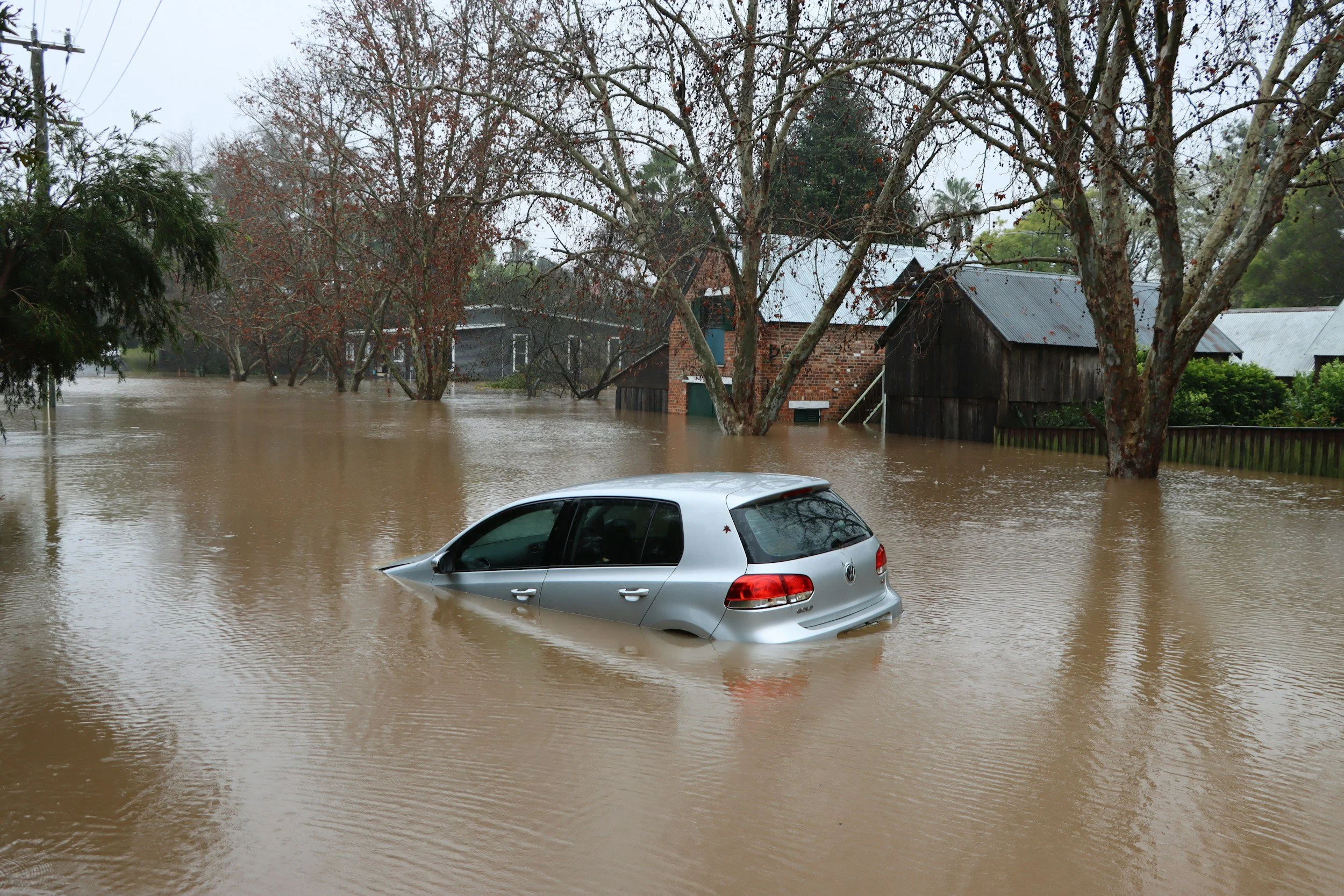
Emergency Lodging vs Temporary Housing: What Agencies Need to Know in 2026
When disasters strike, agencies must act quickly to transition people from shelters into safe, reliable emergency lodging. This article explains how emergency lodging works, how it differs from temporary housing, and when each solution is used during disaster response operations.