
Emergency Lodging vs Temporary Housing: What Agencies Need to Know in 2026
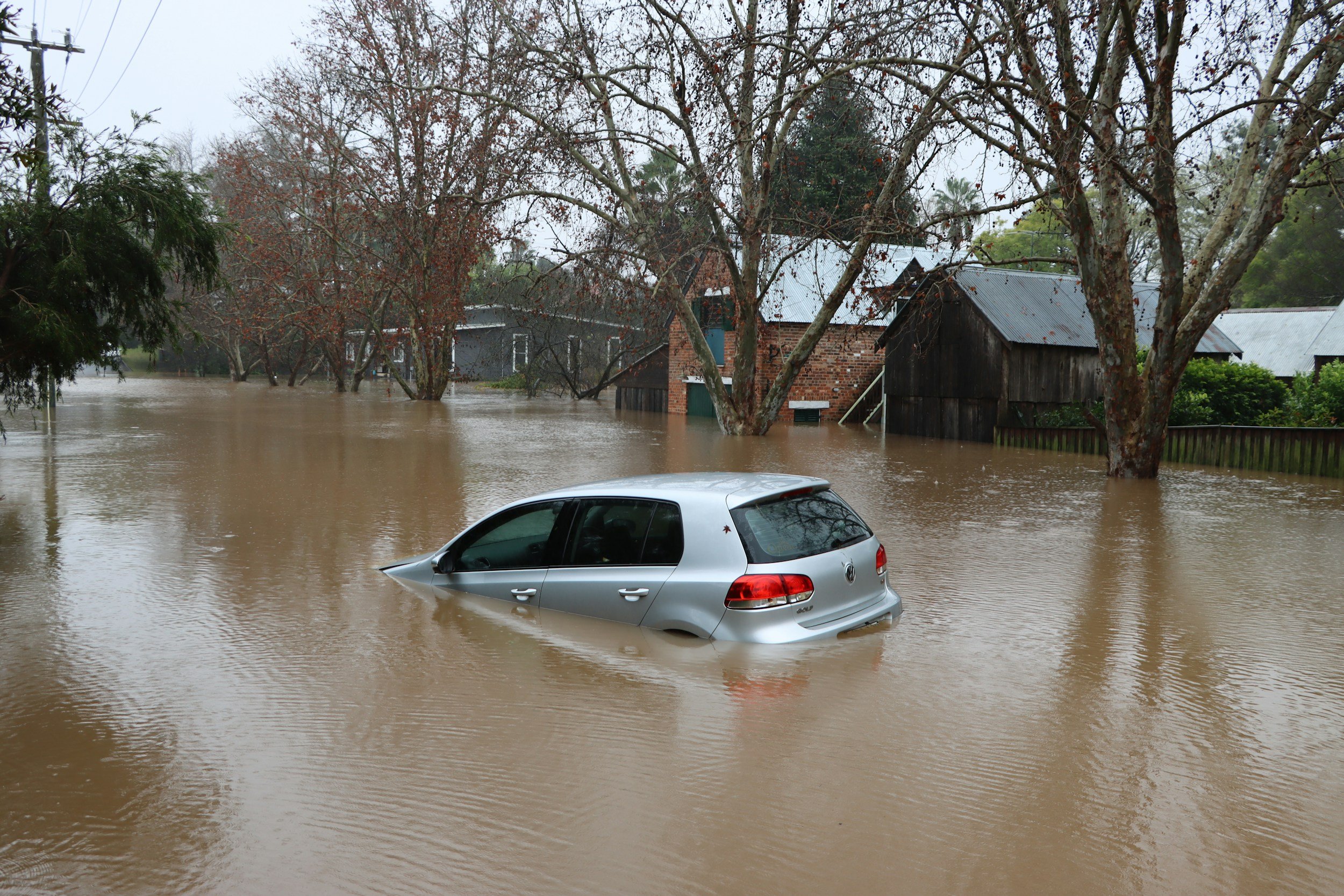
When disasters, emergencies, or large-scale displacement events occur, agencies are often required to act immediately. One of the most common—and costly—points of confusion during response is the difference between emergency lodging and temporary housing.
While the terms are sometimes used interchangeably, they serve very different operational purposes. Understanding when and how to use each solution in 2026 is critical to maintaining speed, compliance, fiscal responsibility, and continuity of care.
This guide breaks down the differences in plain language, grounded in real-world response conditions, not theory.
TL;DR (Quick Summary)
Emergency lodging is for immediate, short-term displacement
Temporary housing supports longer-term recovery and stabilization
The choice impacts activation speed, compliance, inspections, billing, and occupant experience
Most effective responses use both, in sequence
Early clarity prevents delays when time matters most
What Is Emergency Lodging?
Emergency lodging refers to short-term accommodations activated quickly to support displaced individuals, responders, or essential personnel during the initial phase of an incident.
It prioritizes speed, safety, and availability.
Typical characteristics
Activation within hours or days
Short duration
Streamlined onboarding
Uses existing lodging inventory
Focused on immediate safety and accessibility
Common use cases
Hurricanes, floods, wildfires, winter storms
Evacuations and infrastructure failures
Surge staffing and emergency deployments
Shelter-to-lodging transitions
Emergency lodging is designed to stabilize situations quickly, buying time for agencies to assess next steps.
What Is Temporary Housing?
Temporary housing supports individuals or families once immediate danger has passed and longer-term displacement is expected.
It focuses on stability, habitability, and continuity.
Typical characteristics
Weeks-to-months duration
More detailed inspections
Expanded documentation requirements
Greater coordination across stakeholders
Designed for daily living
Common use cases
Long-term disaster recovery
Extended infrastructure repairs
Reconstruction and relocation efforts
Transitional housing following emergency lodging
Temporary housing is about recovery, not urgency.

Key Differences Agencies Should Understand
1. Speed of Activation
Emergency lodging can often be activated within hours, using pre-identified inventory and simplified intake processes. Temporary housing typically requires more time due to inspections, lease structures, and setup.
Operational takeaway:
If time is critical, emergency lodging is the correct first move.
2. Length of Stay
Emergency lodging is intentionally short-term. Temporary housing is structured to support longer occupancy without repeated relocations.
Operational takeaway:
Stabilize first, then transition once duration becomes clear.
3. Compliance and Documentation
Temporary housing often involves stricter habitability standards and documentation. Emergency lodging frameworks are adapted for rapid response while maintaining safety and accountability.
Operational takeaway:
Applying long-term standards too early can delay response.
4. Cost Structure
Emergency lodging emphasizes flexibility and immediate availability. Temporary housing allows for longer-term cost efficiencies once conditions stabilize.
Operational takeaway:
Cost optimization typically follows stabilization, not the initial response.
5. Occupant Experience
Emergency lodging addresses immediate shelter and safety needs. Temporary housing supports routines, privacy, and long-term wellbeing.
Operational takeaway:
Thoughtful transitions reduce stress and disruption for displaced individuals.
When Agencies Use Both (Best Practice)
Many successful responses follow a phased approach:
Activate emergency lodging immediately
Assess duration, scope, and recovery timeline
Transition occupants into temporary housing
Adjust support as recovery progresses
This approach:
Preserves speed and flexibility
Reduces rework and delays
Improves outcomes for occupants
Supports clearer budgeting and compliance
Common Mistakes to Avoid
Treating emergency lodging as a long-term solution
Delaying action while debating terminology
Applying long-term housing standards too early
Underestimating transition planning
Assuming one solution fits every phase
How Lima Charlie, Inc. Supports Response and Recovery
Lima Charlie, Inc. specializes in rapid-response emergency lodging while supporting agencies through longer-term transition planning when recovery timelines become clearer.
Our approach emphasizes:
Speed with accountability
Inspection-ready, move-in-ready lodging
Clear documentation and reporting
Coordination with local partners
Scalable solutions aligned to real conditions
We focus on deploying the right solution at the right time, without unnecessary delays or complexity.
Frequently Asked Questions
Is emergency lodging the same as sheltering?
No. Emergency lodging typically uses existing lodging units rather than mass shelters and provides greater privacy, safety, and flexibility.
Can emergency lodging be extended?
It can be extended temporarily, but agencies should plan a transition to temporary housing when longer displacement is anticipated.
Does per diem always apply?
Not always. Applicability depends on the incident, program, and agency guidance. Clarifying early helps prevent billing issues.
Can lodging be activated before a formal declaration?
In some cases, yes. Pre-event readiness and proactive coordination often enable faster response.
What causes the biggest delays in lodging activation?
Lack of clarity around requirements and approval authority, not lodging availability.
Final Thought
In 2026, the distinction between emergency lodging and temporary housing is more than a definition. It’s an operational decision that affects response speed, compliance, cost control, and—most importantly—people.
Agencies that prepare early, understand response phases, and work with experienced partners are better positioned to act decisively when conditions change.
Need immediate emergency lodging support?
If you are dealing with an active emergency, displacement event, or urgent lodging need, our team is available 24/7.
📞 Customer Service – Emergency Lodging Support:
(888) 418-4773
When you call, you will encounter only a very brief automated menu, followed immediately by a real human being. No endless prompts, no AI dialer loops. No matter the time—day, night, weekends, or holidays—a person will be on the line to support critical emergency lodging needs in real time.
For non-urgent planning, readiness discussions, or partnership inquiries, you can also reach us through our website. But when time matters, human response matters.
At Lima Charlie, Inc., we believe emergency response requires human accountability, operational clarity, and dependable execution—exactly when it’s needed most.