
Direct Lease vs Hotel Blocks: 5 Key Differences Agencies Should Understand
When disaster strikes, agencies must act quickly to provide safe, reliable lodging for displaced individuals. In these situations, the choice between direct lease and hotel blocks becomes critical. Each option has its own benefits and challenges that can impact the efficiency, cost, and overall success of a disaster response operation.
In this blog, we’ll break down the five key differences between direct lease agreements and hotel blocks to help agencies make informed decisions based on their specific needs.
1. Cost Structure and Flexibility
Direct lease agreements are typically more cost-effective over longer durations because they provide a fixed, negotiated rate for the entire lease period. This is ideal when lodging needs extend beyond a few days or weeks, as agencies can manage costs more predictably.
On the other hand, hotel blocks usually operate on a nightly rate, which may be more expensive for longer stays. Hotels may also increase rates during peak demand periods or in response to local market conditions, potentially leading to unexpected cost spikes.
Key Difference:
Direct Lease: Fixed pricing for long-term stays
Hotel Blocks: Nightly rates, higher costs for extended stays
2. Accommodation Types and Comfort
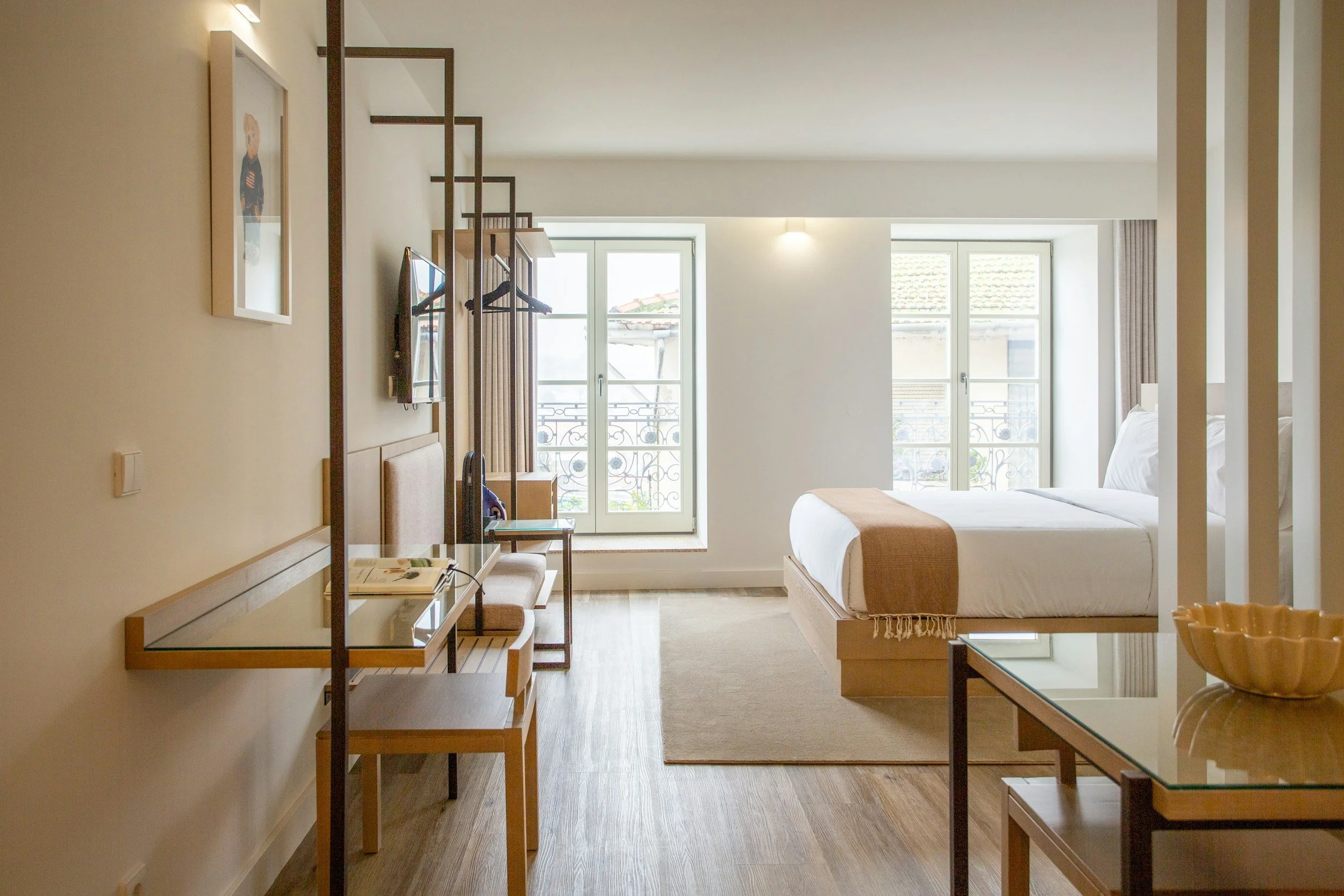
When opting for hotel blocks, agencies are generally limited to standard hotel rooms, which might lack the space and amenities required for longer-term stays. Hotel rooms typically provide basic services like daily cleaning and breakfast, but they often lack the conveniences of a full kitchen or larger living spaces.
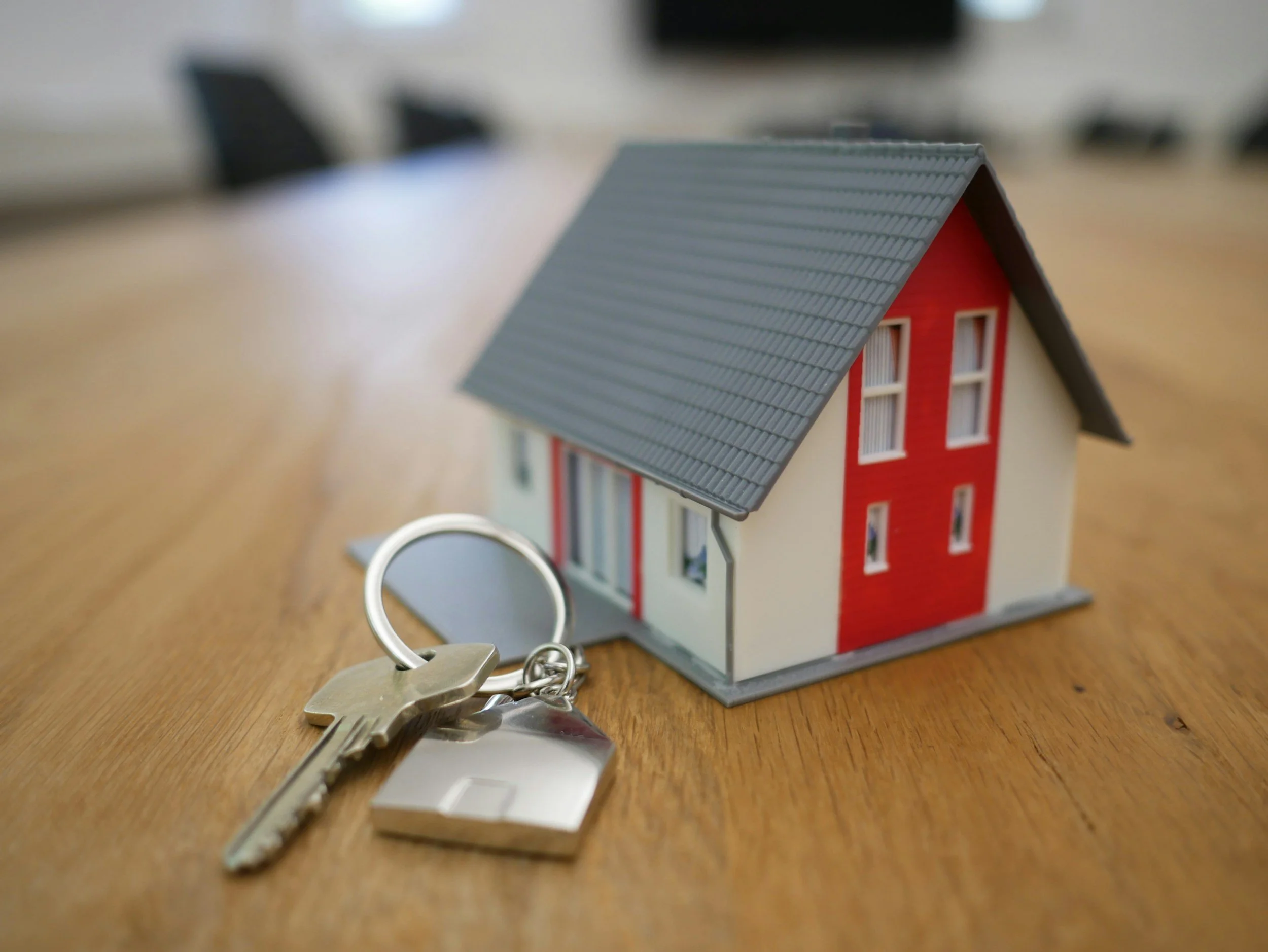
Direct leases, however, allow agencies to rent entire apartments, homes, or units. These accommodations provide more privacy, space, and flexibility, offering residents a more comfortable environment, especially for longer stays. Direct leases also allow for better customization of living arrangements to meet specific needs.
Key Difference:
Direct Lease: Full apartments or homes with more space and amenities
Hotel Blocks: Smaller rooms with limited space and amenities
3. Availability and Scalability
In times of crisis, hotel blocks can be quickly reserved, especially in large metropolitan areas where hotel availability is higher. However, availability may become an issue during high-demand times, such as when multiple agencies are seeking lodging in the same area.
Direct leases can offer more scalability, but availability may be more limited, especially in high-demand areas. Agencies may need to source accommodations from multiple property owners or property management companies, which can take additional time and effort.
Key Difference:
Hotel Blocks: Easier to reserve in the short-term but limited availability in high-demand areas
Direct Lease: More scalable for longer durations but may take longer to secure, especially in high-demand areas
4. Duration and Contract Length
When lodging needs are short-term, hotel blocks are often the best option, as they can be booked for specific periods without the need for long-term commitment. This makes hotel blocks a great choice for immediate, short-term disaster response.
For long-term stays, direct leases are generally more suitable. They allow agencies to secure lodging for extended periods, with the flexibility to adjust the length of the lease as the disaster recovery timeline evolves. Direct leases can be extended as needed, making them ideal for ongoing operations.
Key Difference:
Direct Lease: Better for long-term stays, with flexible contract extensions
Hotel Blocks: Best for short-term needs, with fixed dates and fewer extension options
5. Resident Experience and Independence
The resident experience is often significantly different between hotel blocks and direct leases. Hotel stays tend to be more transient, with less room for personalization. While amenities like daily housekeeping and on-site dining are convenient, they also limit the resident’s ability to live more independently.
Direct leases, however, offer a more home-like environment with more autonomy. Residents can cook their meals, have visitors, and stay in a more personalized living space. This is especially important when families or individuals are displaced for longer periods and need a stable, comfortable environment to rebuild their lives.
Key Difference:
Direct Lease: More independence, full amenities for longer stays
Hotel Blocks: Limited space and autonomy, more transient experience
Final Thoughts

Choosing between direct lease and hotel blocks depends on the nature of the disaster, the duration of displacement, and the specific needs of the residents. Agencies must weigh the cost, flexibility, comfort, and scalability of both options to ensure they provide the best solutions in the quickest possible timeframe.
At Lima Charlie Inc., we specialize in offering both direct lease and hotel block options tailored to the unique needs of your operation. Our 24/7 human support and rapid coordination ensure that your emergency lodging needs are met without delay.
Need immediate emergency lodging support?
📞 Emergency Support Line:
(888) 418-4773
Our team is available 24/7 to coordinate emergency lodging solutions. You’ll reach a real person immediately after a brief automated menu—no endless dialing systems, just real-time support.