
When Winter Storms Trigger Multi-State Displacement: Coordinating Emergency Lodging at Scale
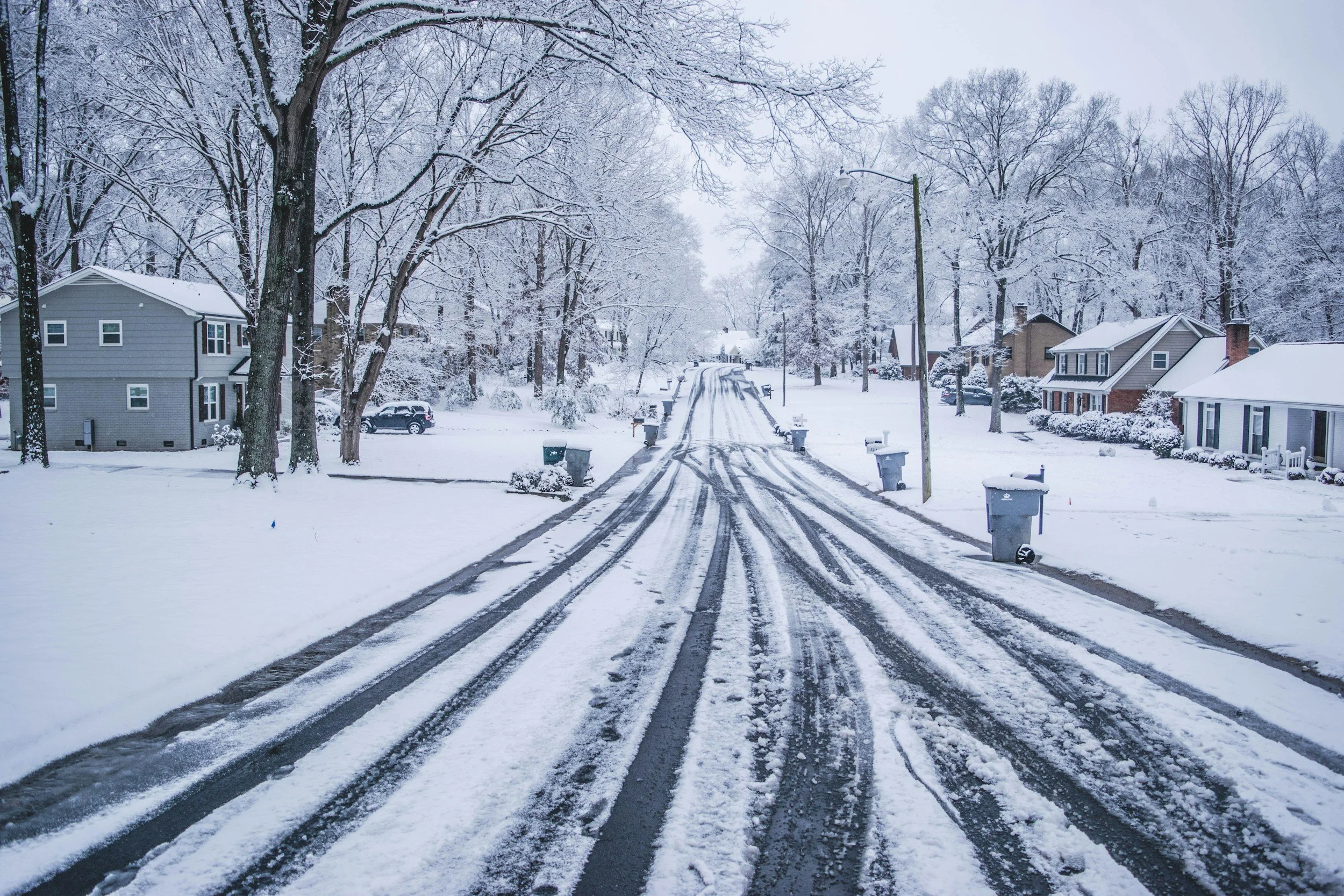
Severe winter storms are currently impacting multiple regions across the United States, bringing snow, ice, extreme cold, and hazardous travel conditions. As roads close, power outages spread, and local resources become strained, agencies are often required to coordinate emergency lodging across county and state lines — sometimes within hours.
These events highlight a recurring reality: winter storms create immediate, large-scale lodging needs that cannot be managed locally alone.
Why Winter Storms Escalate Lodging Needs Quickly
Unlike other disasters, winter storms can simultaneously limit mobility while increasing risk to life and safety. Communities may be cut off with little warning, and traditional sheltering options can become unsafe due to cold exposure, overcrowding, or power loss.
Common challenges agencies are facing during current winter storm responses include:
Inaccessible roadways delaying on-the-ground assessments
Sudden displacement due to heating failures or structural damage
Limited hotel availability within the impact zone
Rapid expansion of displacement across neighboring jurisdictions
When storms span multiple states, lodging coordination becomes a regional — not local — operation.
Coordinating Emergency Lodging Across Jurisdictions
Multi-state winter storms require agencies to operate beyond standard geographic boundaries. Lodging must often be sourced outside the affected area, while maintaining accountability, reporting, and compliance requirements.
Effective large-scale coordination depends on:
Centralized lodging visibility across multiple markets
Consistent intake and placement processes regardless of location
Clear communication between state, local, and federal stakeholders
Real-time tracking of occupants, durations, and costs
Without a centralized approach, agencies risk duplication, delays, and gaps in care.

Balancing Speed, Safety, and Compliance During Winter Events
During active winter storms, agencies must move fast — but speed alone is not enough. Lodging placements must still meet safety standards, accessibility requirements, and contractual expectations.
Key considerations during current storm responses include:
Ensuring properties are move-in ready despite weather conditions
Confirming heating, power, and winterization standards
Managing extensions as storms linger or recovery timelines shift
Providing human support when automated systems fall short
Winter conditions magnify small operational issues into major disruptions if not managed carefully.
Emergency Lodging as a Stabilization Tool
As storms continue, emergency lodging becomes a stabilizing force that allows agencies to protect displaced individuals while infrastructure repairs and utility restoration are underway.
At scale, well-coordinated lodging supports:
Safer alternatives to prolonged sheltering
Reduced strain on local emergency facilities
Orderly transitions as conditions improve
Continuity across jurisdictions when displacement expands
Winter storms reinforce the importance of treating lodging as a core operational function — not an afterthought.
Final Thought
Current winter storms underscore a familiar lesson: large-scale displacement does not respect borders. Agencies that plan for centralized coordination, flexible sourcing, and real-time support are better equipped to respond when conditions escalate quickly.
Emergency lodging readiness is not just about availability — it’s about coordination at scale when it matters most.
Need Support With Emergency Lodging Coordination Right Now?
If your agency is managing winter storm displacement or preparing for continued impacts:
📞 Customer Service – 24/7 Emergency Support: (888) 418-4773
You’ll reach a real human being, not an endless automated system.
There may be a very brief automated menu, but emergencies are routed quickly to live support — any time, day or night.
Lima Charlie Inc. supports emergency lodging operations nationwide, helping agencies coordinate placements across multiple jurisdictions during active events and extended recovery periods.
When winter storms displace communities at scale, responsive lodging support matters.