
Winter Storm Emergency Lodging: What Agencies Should Prepare for Before Roads Close
Overview
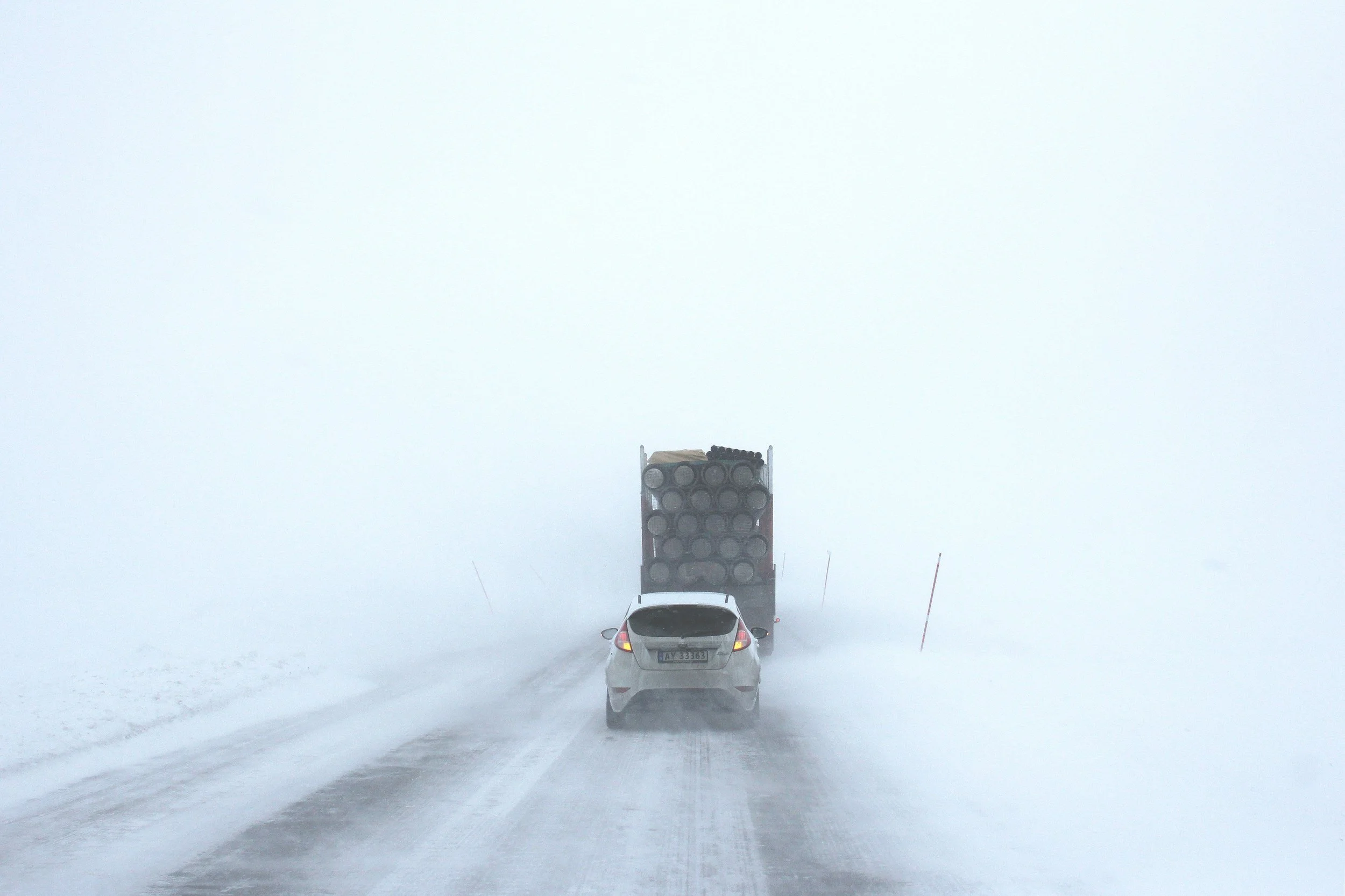
As of January 26, 2026, multiple winter storm systems are impacting large portions of the United States, bringing heavy snow, ice accumulation, extreme cold, hazardous travel conditions, and power disruptions across several states. Emergency declarations and road closures are already affecting access in many regions, with conditions continuing to evolve.
Winter storms create a narrow window for emergency lodging decisions. Agencies that prepare and activate lodging before roads close retain flexibility. Those that wait often face limited inventory, higher costs, and increased safety risks for displaced populations.
What the current winter storms are showing agencies
This late-January weather pattern reinforces a recurring reality of winter events: displacement often accelerates after access becomes restricted. Utility failures, unsafe structures, and uninhabitable homes can increase quickly, while inspections, transportation, and check-in logistics slow down or stop entirely.
Winter storms compress timelines and remove margin for error, making early lodging coordination essential.

What agencies should prepare for before conditions deteriorate
1) Regional displacement beyond local boundaries
Current winter storms are affecting multiple jurisdictions simultaneously. Displaced households may require lodging outside their home counties or states, increasing the need for regional and multi-jurisdiction coordination.
2) Early lodging activation while access remains open
Once snow and ice intensify, physical access becomes the limiting factor. Securing lodging placements early allows agencies to act before travel bans, road closures, or utility outages reduce available options.
3) Winter-specific habitability requirements
Cold-weather lodging requires reliable heat, power stability, insulation, and safe entry conditions. Winter events significantly raise habitability standards and reduce tolerance for marginal lodging solutions.
4) Delayed inspections and extended displacement
Snow, ice, and extreme cold often delay damage assessments, insurance access, and repair timelines. Agencies should plan for longer stays and have extension processes defined before initial placements occur.
5) Transportation planning under winter constraints
Snow and ice limit routing options for both residents and staff. Identifying safe corridors, staging areas, and contingency transportation plans early helps prevent operational breakdowns as conditions worsen.
6) Centralized coordination as conditions evolve
Winter storm impacts change rapidly. Centralized tracking of placements, occupancy, extensions, and issues helps agencies maintain visibility and control during shifting conditions.

What this winter storm reinforces about emergency lodging
Winter events expose gaps faster than many other disaster types. Limited access, cold exposure, and overlapping jurisdictions reward preparedness and penalize delay. Agencies that treat emergency lodging as a core operational function are better positioned to protect displaced populations and manage costs responsibly.
How Lima Charlie Inc. supports agencies during winter storm events
Lima Charlie Inc. supports emergency lodging operations during large-scale winter storms by helping agencies plan early, coordinate across jurisdictions, and maintain visibility as conditions evolve. Our approach is designed to operate under weather-driven constraints such as road closures, extended stays, and multi-state displacement.
Final Thoughts
Winter storms compress timelines and reduce access, making early emergency lodging decisions critical. Agencies that prepare before roads close retain more options, protect displaced populations more effectively, and maintain operational continuity as conditions worsen.
At Lima Charlie Inc., we support agencies nationwide with emergency lodging solutions designed for readiness, scalability, and real-world execution—before, during, and after winter storm events.
Need Emergency Lodging Support Now?
📞 Customer Service – 24/7 Emergency Support: (888) 418-4773
You’ll reach a real human being, not an endless automated system.
There may be a very brief automated menu, but emergencies are routed quickly to live support any time, day or night.