
Snow, Ice, and Extreme Cold: Unique Challenges in Emergency Lodging Operations
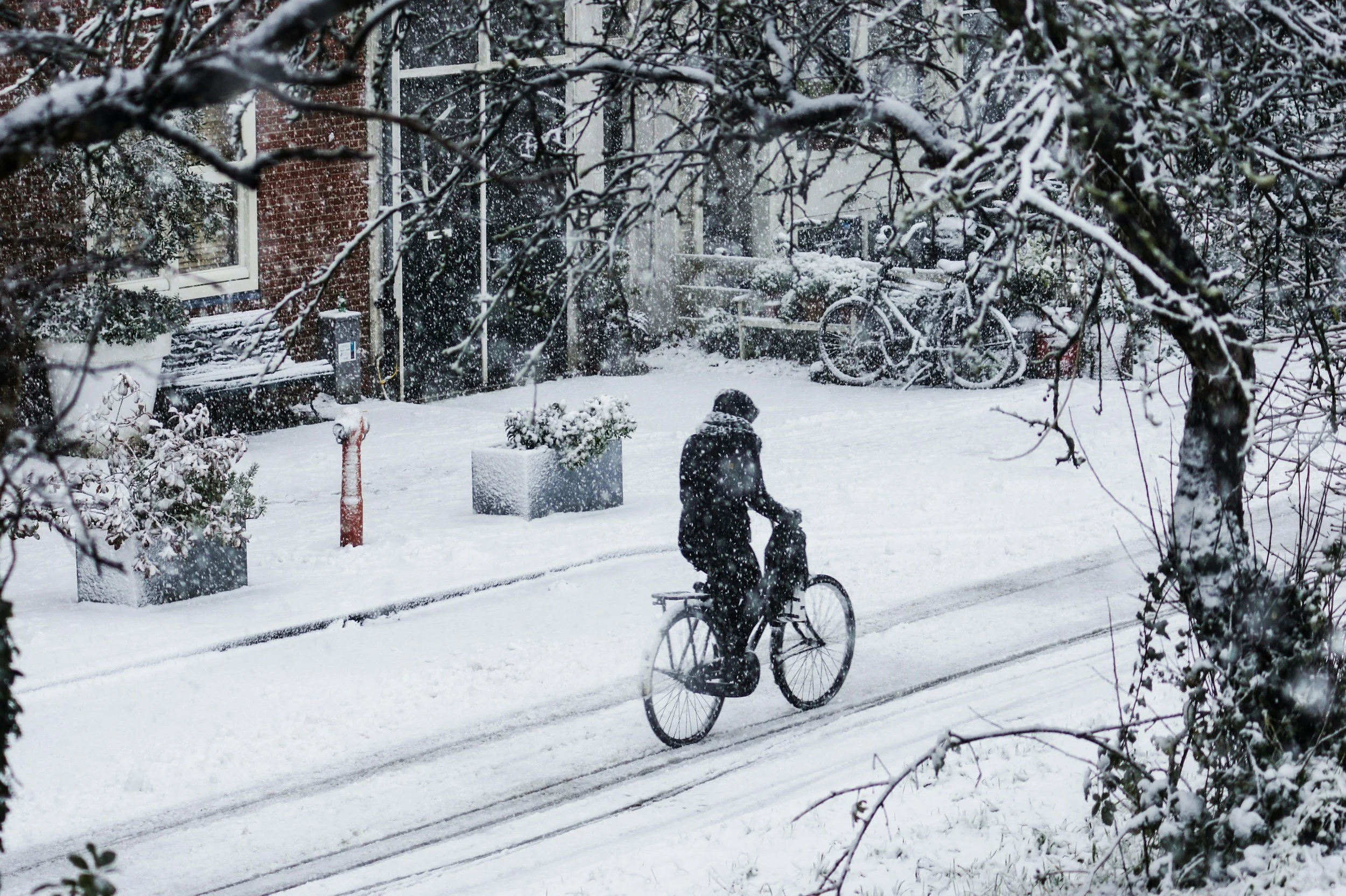
As of January 26, 2026, several U.S. states have been battling severe winter weather, including snowstorms, freezing rain, and dangerously cold temperatures. While agencies are often prepared for emergency lodging needs in the wake of hurricanes or wildfires, the challenges presented by snow, ice, and extreme cold are distinct. These conditions create unique demands on lodging infrastructure, coordination, and response times.
Agencies and organizations managing emergency lodging need to anticipate these specific challenges and plan accordingly. From road closures and power outages to safety concerns in freezing conditions, agencies must be proactive in their approach to winter storm lodging.
1. Road Closures and Limited Mobility
Heavy snowfall and ice accumulation can make roadways impassable, creating immediate barriers to delivering shelter and supplies to displaced populations. Unlike other natural disasters, winter storms can shut down transportation routes well before emergency lodging needs are fully realized.
How Agencies Can Prepare:
Pre-positioning of Lodging: Have backup lodging locations ready in areas less impacted by the storm.
Early Activation: Activate lodging resources and deploy supplies ahead of the storm’s worst impacts.
Partnering with Local Governments: Coordinate with local transportation agencies for up-to-date road closures and detours.
2. Power Failures and Heating Risks
When temperatures drop, power outages become a more significant threat. With freezing temperatures, the risk of hypothermia and other cold-related health issues increases. Agencies must ensure that emergency lodging facilities are equipped with reliable heating systems.
How Agencies Can Prepare:
Reliable Power Sources: Ensure all shelters have backup generators and maintain essential infrastructure, including heating and water.
Cold-Weather Ready Equipment: Equip shelters with space heaters, blankets, and other cold-weather essentials.
Health and Safety Checks: Monitor residents' conditions closely, especially in high-risk groups like the elderly or those with chronic health conditions.

3. Frozen Pipes and Infrastructure Damage
The freezing of pipes and potential infrastructure damage from extreme cold is a major concern during winter emergencies. Agencies need to be prepared for possible water supply disruptions, burst pipes, and frozen heating systems.
How Agencies Can Prepare:
Winterizing Infrastructure: Pre-emptively winterize emergency lodging facilities to prevent frozen pipes and broken infrastructure.
On-Site Maintenance Teams: Have skilled technicians on standby to deal with any emergency repairs or urgent infrastructure issues.
Ongoing Monitoring: Use technology to monitor the temperature and system integrity of lodging facilities in real-time.
4. Medical and Vulnerability Risks
Cold weather places a significant burden on public health, especially for vulnerable populations. Elderly individuals, children, and those with pre-existing medical conditions are at greater risk for cold-related illnesses such as hypothermia or frostbite.
How Agencies Can Prepare:
Enhanced Medical Support: Ensure medical professionals and emergency response teams are available to handle cold-related health emergencies.
Accessible Sheltering: Provide accommodations for vulnerable populations that ensure their safety, comfort, and access to necessary care.
Pre-disaster Health Monitoring: Work with local health organizations to monitor the health of at-risk individuals and ensure that shelters are equipped with necessary medical supplies.
5. Communication Breakdowns in Extreme Weather
Winter storms often bring down power lines, disrupt cellular networks, and cause delays in internet connectivity. This creates significant challenges in terms of communication for agencies and displaced populations.
How Agencies Can Prepare:
Redundant Communication Systems: Use multiple methods of communication (satellite phones, emergency radios, etc.) to ensure continuity.
Real-Time Status Updates: Implement an emergency notification system to provide up-to-the-minute information on shelter availability and road conditions.
Coordination Among Partners: Set up communication channels between emergency teams, local governments, and community partners to relay critical information.
FEMA’s Winter Preparedness Guidelines
The Federal Emergency Management Agency (FEMA) offers valuable resources for preparing for winter weather events. These guidelines emphasize the importance of early planning, proper training, and infrastructure readiness to ensure effective emergency response during extreme cold and snowstorms.
FEMA’s comprehensive Winter Ready Guide can be accessed here for more information on the best practices for preparing your community for winter disasters.
How Lima Charlie Inc. Supports Winter Emergency Lodging
At Lima Charlie Inc., we specialize in providing safe, move-in-ready emergency lodging that adapts to the unique challenges posed by winter storms. We work alongside federal, state, and local agencies to ensure that lodging is available to those in need, even in the most severe weather conditions.
Whether it’s pre-positioning housing, coordinating on-the-ground support, or offering 24/7 logistical expertise, Lima Charlie Inc. is committed to helping agencies respond quickly and effectively to winter storm emergencies.
By being prepared with the right strategies and resources, agencies can ensure that emergency lodging operations are efficient, safe, and capable of providing displaced individuals with the care they need during snow, ice, and extreme cold events.
If your emergency lodging mission is extending longer than expected, or you need immediate guidance:
📞 Customer Service – 24/7 Emergency Support:
(888) 418-4773
You’ll reach a real human being, not an endless automated system. There may be a very brief automated menu, but emergencies are routed quickly to live support — any time, day or night.
When housing needs change, responsive support matters.