
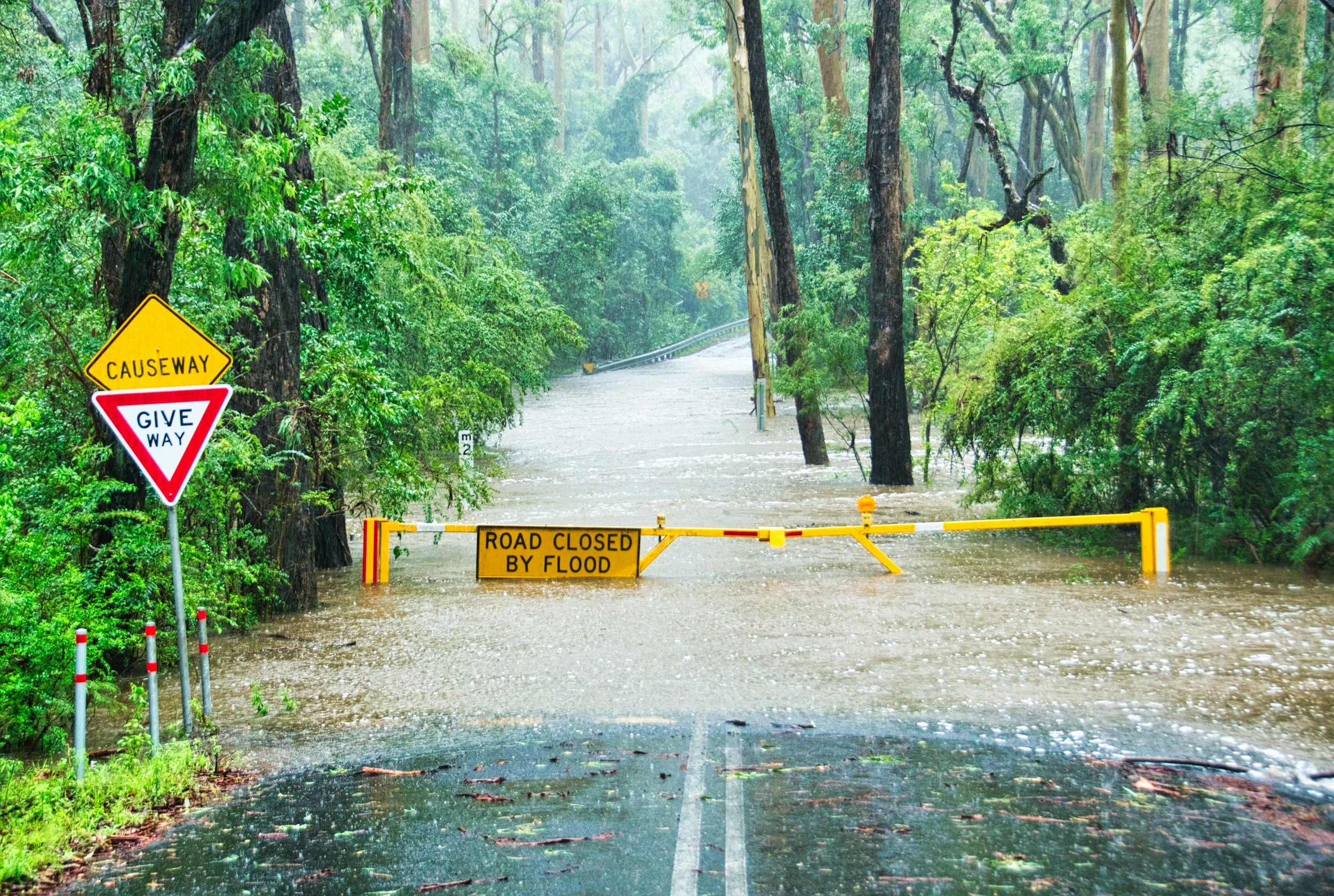
November usually feels like a breather for emergency managers. Hurricane season is winding down and the worst of fire season is behind most of the West. This year, the first week of the month looked nothing like that. Floodwaters were still receding across four Southwestern states, the Florida coast was soaked, and communities hit months ago were only now getting federal help. For thousands of families, the disaster housing question is still wide open.
To everyone digging out, waiting on a call back or sleeping somewhere that isn’t home tonight, we’re thinking of you.
The Four Corners: Two Weeks of Rain and a River Near Its 1911 Record
The biggest story is in the Southwest. Former NOAA chief scientist Ryan Maue estimated that more than 20 trillion gallons of rain fell on the Four Corners states and Nevada over about two weeks, much of it on ground that was already saturated.
In Pagosa Springs, Colorado, a town of roughly 2,000 people, the San Juan River reached 16.81 feet, about a foot below its historic 1911 level, according to the Associated Press. A home floated down the river and struck a pedestrian bridge, and part of a road bridge collapsed. It is the second October in a row the town has flooded. In San Juan County, New Mexico, more than 20,000 people living near the Animas, La Plata and San Juan rivers received evacuation notices, and the village of Chama was evacuated and cut off by road closures.
Arizona was hit hard, too. Flagstaff recorded its wettest November 1 on record, and one man died after being swept into a drainage tunnel there. In Camp Verde, residents lost homes and an RV park was evacuated. Floodwaters trapped people in their homes in Sedona. “Two or three months of rain in a span of a couple of days,” is how the National Weather Service’s Aaron Hardin described what Tucson received.
President Trump approved a federal emergency declaration for northwestern New Mexico on October 26. The governors of New Mexico and Colorado have since asked for major disaster declarations, and Arizona Governor Katie Hobbs issued a statewide emergency declaration on November 2.
Florida: A Hurricane Declaration and a Fresh Round of Flooding
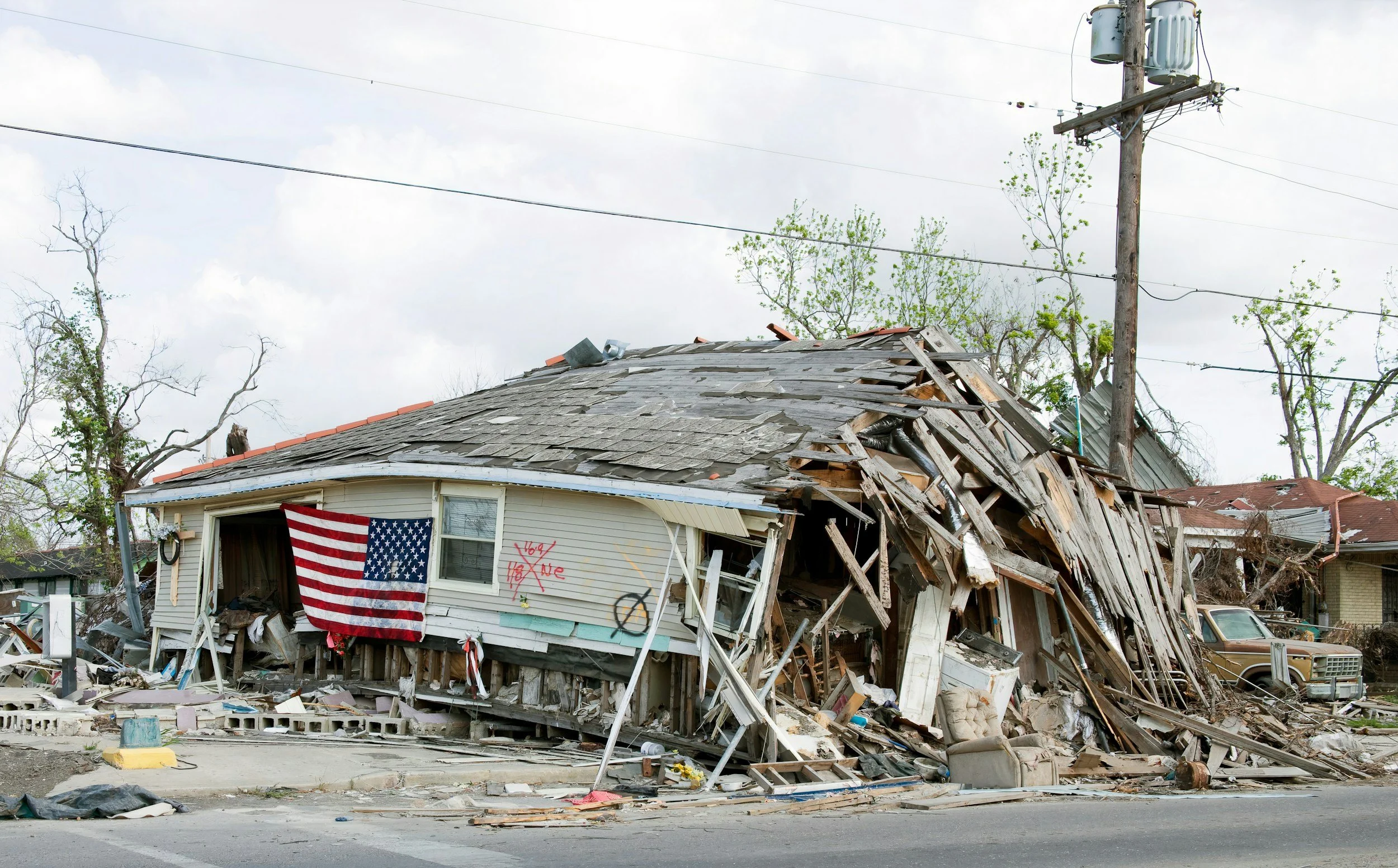
On the other side of the country, Florida is juggling two events at once. Hurricane Isaias, which struck between October 6 and 12, received a major disaster declaration (FEMA-4955-DR) on October 27 covering 15 Panhandle counties, from Escambia to Wakulla. Then, in early November, Brevard County took on more than two feet of rain and Palm Beach County more than 20 inches. Governor Ron DeSantis issued a state emergency declaration as the water rose.
Wisconsin: A July Storm, an October Declaration
Some of the most telling news this fall came from a disaster most people have already forgotten. Severe storms and tornadoes tore through Wisconsin on July 27. FEMA’s major disaster declaration for that event, DR-4949-WI, came through in early October, opening Individual Assistance in Forest, Outagamie, Vilas and Winnebago counties.
That is more than two months between the storm and the start of federal help for households.
A disaster doesn’t end when the news cameras leave. For displaced families, that’s often when the hardest part begins.
The Housing Gap Hiding Inside Every Declaration
Put these events side by side and a pattern shows up. An emergency declaration, like New Mexico’s, lets FEMA cover 75 percent of eligible emergency protective measures. That keeps rescues and road closures going. Individual Assistance, which can help families with damaged homes find somewhere to live, generally waits for a major disaster declaration. In Wisconsin, that wait stretched from summer into fall. In New Mexico and Colorado, it’s still pending.
Families don’t stop needing a bed while paperwork moves. Some households in the Southwest will qualify for federal help soon. Others won’t, either because a declaration never comes or because their situation falls outside what the programs cover. We wrote about that second group in closing the housing gap FEMA funding doesn’t reach, and it fits this moment.
For agencies, the lesson is to plan housing before the declaration lands. Know which programs open under which type of declaration and build a bridge for the weeks in between. Pre-qualify a disaster housing partner under NAICS 624230 so procurement takes a phone call instead of a week. Remember that places like Pagosa Springs, Chama and Camp Verde have small rental markets, where displaced families, response crews and insurance adjusters all chase the same few furnished units. And insist on one point of contact who answers at 2 a.m.
Your Easy Button for Disaster Housing

That’s the work we do. Lima Charlie Inc. is a service-disabled veteran-owned small business with federal prime contract experience. We partner with federal, state, county and city emergency agencies to line up furnished, move-in-ready housing for displaced families, response crews and disaster missions. We deploy fast, stay close to the impacted area and give you one point of contact from the first call to the last move-out. See how our emergency response housing program works.
We’ve placed more than 37,000 households across 12+ states and territories. We hold active DoD and government contracts, and our team is staffed live 24/7, because disasters don’t keep business hours.
Whether you’re working one of this fall’s disasters right now or planning for the next one, we’d like to help.
📞 Call (888) 418-4773 or reach out online. A real person answers every time.