
When There Is No Major Disaster Declaration: Closing the Housing Gap FEMA Funding Doesn't Reach
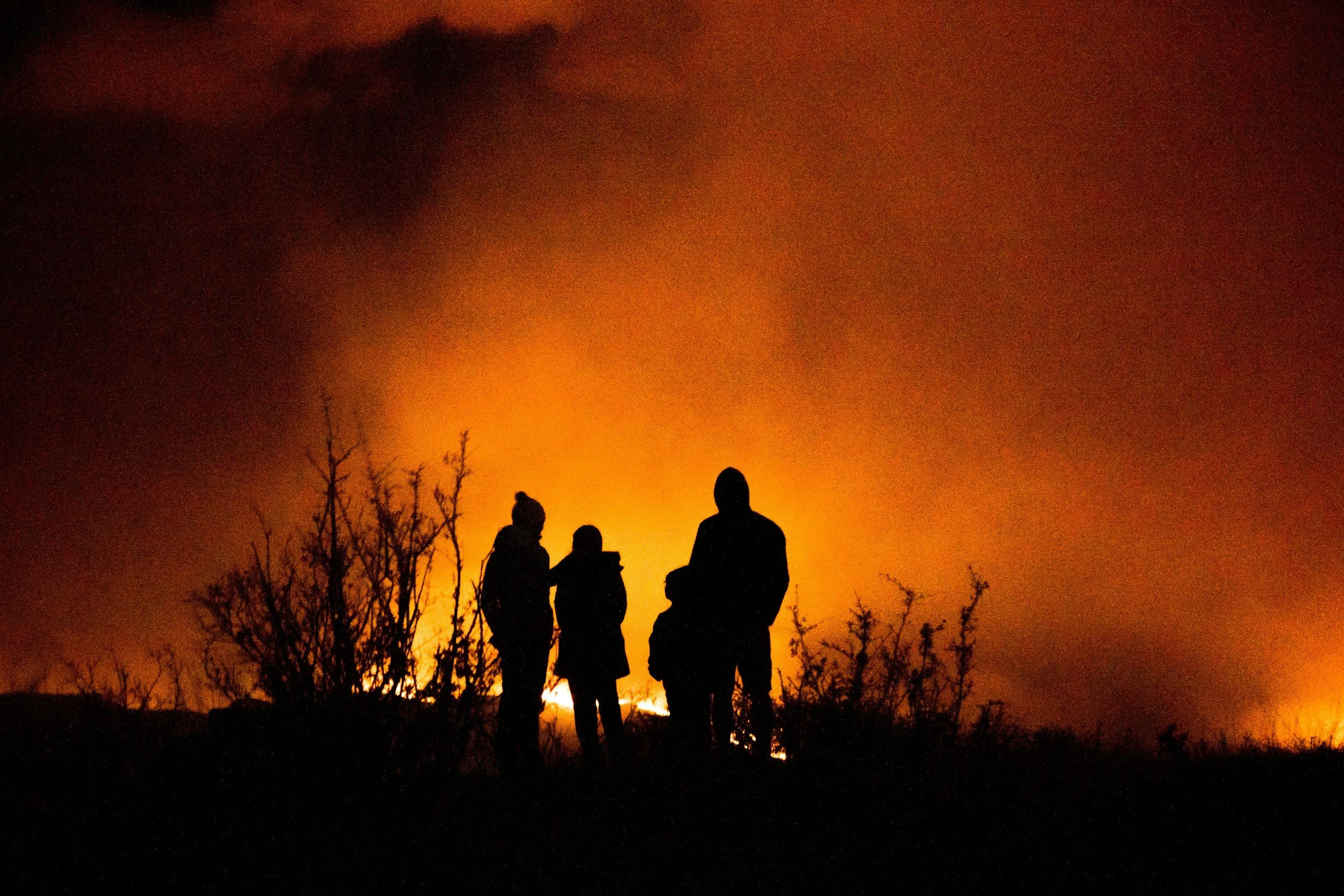
A house can flood, a wildfire can level a block, and a family can still be displaced without federal housing assistance reaching them. That happens whenever a disaster does not receive a Presidential Major Disaster Declaration, or receives a declaration that authorizes some categories of aid but not the Individuals and Households Program. This is simply how the federal assistance structure works, and it means the housing response cannot always start with a federal check.
What a Major Disaster Declaration Actually Unlocks
FEMA's Individual Assistance programs, including the housing assistance most displaced families rely on, are only available after a Presidential declaration of either a major disaster or, for certain narrower programs, an emergency. The Individuals and Households Program is the one that puts money and direct housing assistance in front of a displaced family, and it can only be authorized as part of a major disaster declaration. When a request does not meet the threshold for that declaration, that program is simply not available yet for that event, regardless of how real the damage is on the ground.
Smaller and Slower-Moving Disasters Fall Through Most Often
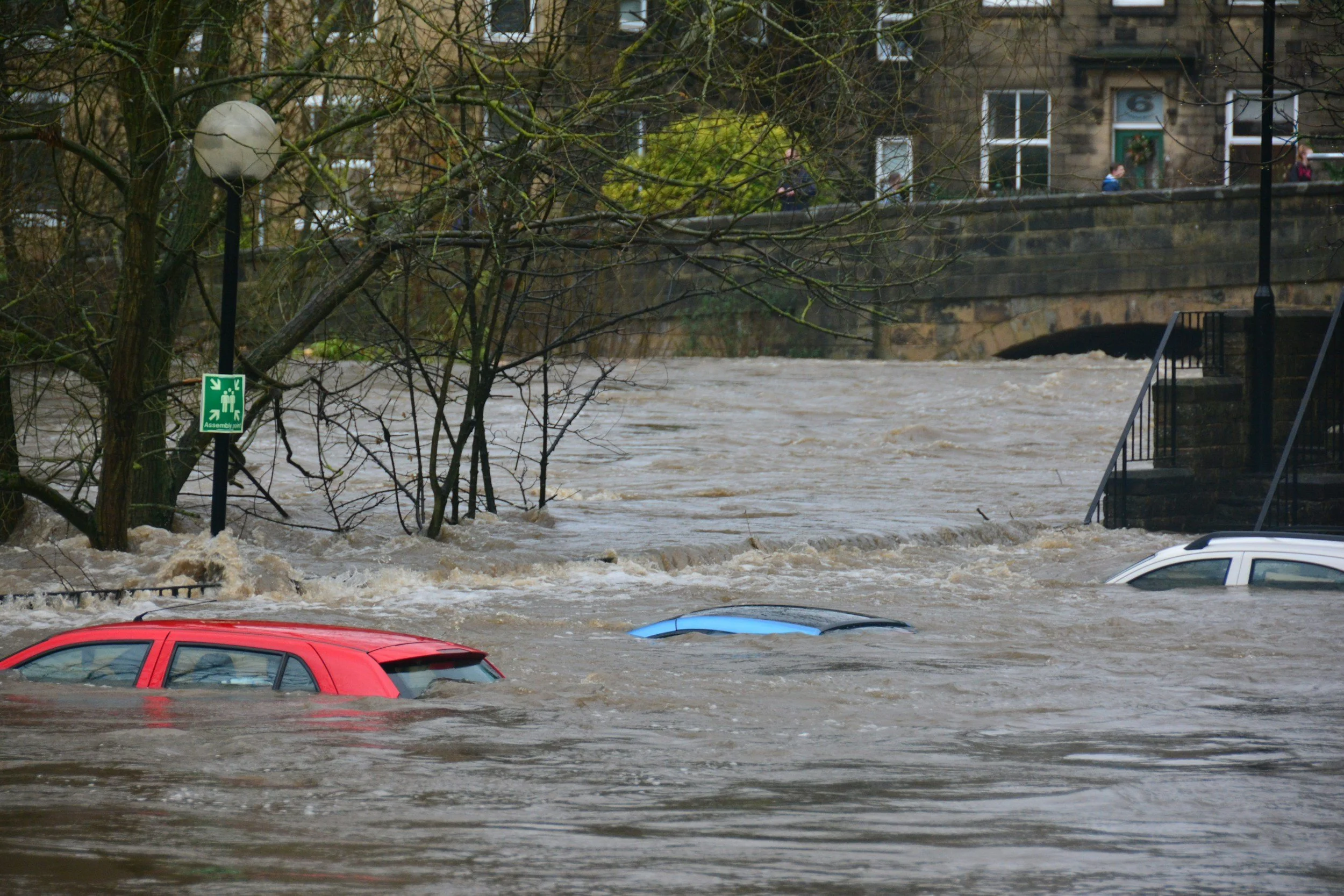
A hurricane that flattens a coastline draws national attention and a fast declaration. A severe storm that damages a few hundred homes across two or three counties, or a slow-moving flood that unfolds over weeks rather than a single dramatic event, often does not clear the threshold reviewers use to justify a major disaster declaration. The families in that second category are displaced just as completely as the families in a headline disaster. They simply do not have a federal housing check coming.
Where the Money Comes From Instead
When federal Individual Assistance is not on the table, the response shifts to a patchwork of other sources. State emergency management funds, HUD's Community Development Block Grant Disaster Recovery program where applicable, private insurance settlements, and nonprofit or faith-based relief organizations all end up covering ground that FEMA's Individuals and Households Program would otherwise fund. None of those sources are activated automatically the way a federal declaration is. Each one requires a state or local agency to make its own call, on its own timeline, about how to house displaced residents.
Why This Is a Housing Logistics Problem, Not Just a Funding Problem
Even when a state does step in with its own emergency funds, the housing logistics do not solve themselves. Someone still has to identify available furnished units, place families quickly, and manage the invoicing across whatever combination of state dollars, insurance proceeds, and nonprofit grants ends up paying for it. A state or county emergency management office that has never had to build that kind of response from scratch is at a real disadvantage compared to one that already has a standing housing partner it can activate regardless of whether a federal declaration ever comes through.
A housing partner should be able to activate on a state or county's own authority, without waiting on a federal declaration.
Billing should be flexible enough to route through state emergency funds, insurance settlements, or nonprofit grants as they become available.
Move-in ready furnished units should be available within 24 to 48 hours regardless of which funding source is paying.
The partner should already understand FEMA's Individual Assistance thresholds well enough to help an agency plan for either outcome.
Plan for the Disaster That Does Not Make the News
The disasters that get national coverage and fast declarations are, in a straightforward sense, the easier housing problem to solve, because the funding path is clear. It is the disaster that damages a few neighborhoods without triggering a major declaration that requires the most planning from agencies. A state or county that has a housing partner on standby before that kind of event happens can move on its own timeline, without waiting on a federal funding decision.
Lima Charlie Inc. has placed more than 37,000 households across 12 or more states and territories, holds active DoD and government contracts, and staffs support 24 hours a day, 7 days a week. Our Emergency Response Housing program activates regardless of whether federal Individual Assistance has been authorized.
Call us today at (888) 418-4773. A real person answers every time.
Agencies building a broader response plan can also review our Housing Missions page, or reach out through Contact to put a standing agreement in place before the next event.