
Menasha's Tornado Was Wisconsin's Fourth EF3 This Year, and the State Hasn't Seen That Since 1984
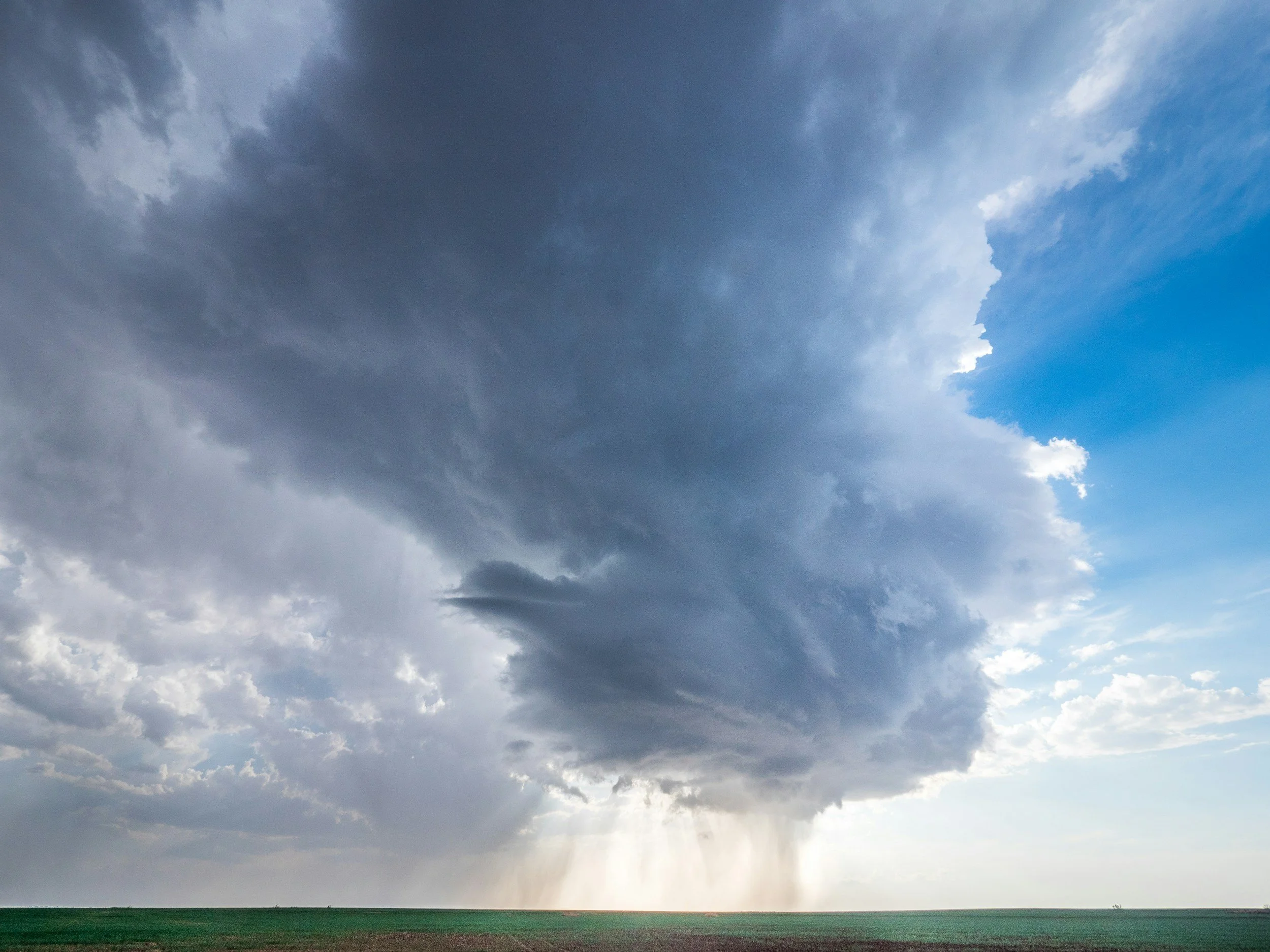
Just after noon on Monday, July 27, a tornado touched down near Appleton and tracked into Menasha before it crossed over Lake Winnebago and dissipated about twenty minutes later. Peak winds were somewhere around 140 mph. The National Weather Service later confirmed it as an EF3. Wisconsin's fourth one this year. The state hasn't hit that number since 1984.
Menasha Police Chief Matthew Albrecht called it one of the first wins of the response that nobody got seriously hurt. Midweek, midday, most people at work instead of home, that helped. Even so, homes across the Fox Cities took real damage, some destroyed outright, and power went out for tens of thousands of people. The town's water system took enough of a hit that Menasha is still under a boil water order right now, along with a curfew running 10pm to 5am.
What the Emergency Declaration Actually Does
Tony Evers signed Executive Order #300 the next day, July 28, putting the state under an official emergency declaration. Menasha and Neenah had already filed their own local declarations a day earlier so they could start moving on damage assessments without waiting for the state. Wisconsin's Emergency Operations Center went to Level 3 the same day as the storm.
This isn't a federal Major Disaster Declaration. That part is still pending, and probably will be for a while yet since it depends on how the damage assessments come back over the next several weeks. What the state declaration gets you in the meantime is speed: fire crews, utility workers, public works, volunteers, all moving without the usual red tape. Useful, when your town's water isn't safe to drink from the tap.
Menasha and Neenah, As of This Week
The Red Cross opened a shelter at Christ the Rock Community Church for people the storm displaced. That covers the first few nights. It doesn't cover the family whose Menasha home needs a real rebuild, or the household staring down an open-ended boil water order with no idea when it lifts.
That's the gap between an emergency declaration and something a displaced family can actually live in for more than a few nights. A shelter cot is a stopgap. Non-congregate sheltering, an actual furnished apartment or house instead of a shared room, is what gets someone through the months a rebuild takes.

Why Waiting on FEMA Isn't the Only Option
April's tornado outbreak took Wisconsin over two months to get a federal declaration after the storms hit. If July's Fox Cities tornado moves at a similar pace, families displaced this week could be waiting into September before any federal Individual Assistance money is even confirmed.
Which is exactly why it helps to already have a housing partner under contract before that federal money shows up. A provider with active NAICS 624230 operations and units ready now can place a family this week on state or local funding, or a private arrangement, instead of telling them to sit tight and wait on Washington.
A Pattern Worth Watching
Four EF3 tornadoes in a single year isn't normal for Wisconsin. Neither is what happened just three weeks before this, when flooding hit Calumet, Outagamie, Waupaca, and Winnebago counties after a dam breach in Manawa forced its own evacuations. Same general part of the state. Two emergency declarations in one month.

We're Ready to Help Right Now
Lima Charlie, Inc. has placed more than 37,000 households across 12 or more states and territories after tornadoes, hurricanes, wildfires, and floods. We hold active FEMA housing contracts, active DoD and government contracts, and staff answering the phone 24/7.
If your agency is coordinating housing for families displaced by the Fox Cities tornado, our emergency response housing team can talk through what's available right now, federal declaration or not. Our housing missions page covers the broader scope of our disaster response work.
Call us today at (888) 418-4773. A real person answers every time. Or reach out through our contact page to start a request.