

What Makes a Corporate Housing Partner Reliable for Long-Term Deployments
When it comes to supporting employees during extended work assignments or relocations, reliable corporate housing is a critical piece of the puzzle. Organizations need a partner they can trust to provide not only a place to stay but a stable, comfortable environment that helps workers feel settled, even during long-term projects. In this blog, we’ll dive into the key factors that make a corporate housing partner reliable for long-term deployments and how Lima Charlie Inc. stands out in meeting these needs.

How Centralized Lodging Simplifies Workforce Deployments Across Multiple Cities
When managing large-scale workforce deployments, especially across multiple cities, logistical challenges are inevitable. Ensuring your teams are housed in convenient, safe, and comfortable accommodations should be a priority for any organization. Centralized lodging is emerging as a solution for organizations aiming to streamline their workforce’s lodging needs, ensuring efficiency and consistency in times of transition. Whether you're dealing with an ongoing project, a temporary surge in staffing, or an emergency situation, centralized lodging brings a level of simplicity and structure that is invaluable.

From Short-Term Shelter to Stable Lodging: Managing Winter Storm Displacement Transitions
Winter storms often lead to significant displacement, forcing individuals and families into temporary shelters. However, as the storm's impact subsides, the need to transition to stable, long-term lodging becomes critical for recovery. Agencies must plan ahead for this transition, ensuring that those displaced have a safe and dignified place to stay during the recovery process.

When Winter Storms Trigger Multi-State Displacement: Coordinating Emergency Lodging at Scale
Winter storms have become an increasingly common cause of multi-state displacement, creating urgent and large-scale demand for emergency lodging. Whether it's due to snow, ice, or freezing temperatures, thousands of individuals may need to seek temporary shelter in a short amount of time. This can create significant logistical challenges for agencies responsible for coordinating emergency housing.

Snow, Ice, and Extreme Cold: Unique Challenges in Emergency Lodging Operations
As of January 26, 2026, several U.S. states have been battling severe winter weather, including snowstorms, freezing rain, and dangerously cold temperatures. While agencies are often prepared for emergency lodging needs in the wake of hurricanes or wildfires, the challenges presented by snow, ice, and extreme cold are distinct. These conditions create unique demands on lodging infrastructure, coordination, and response times.
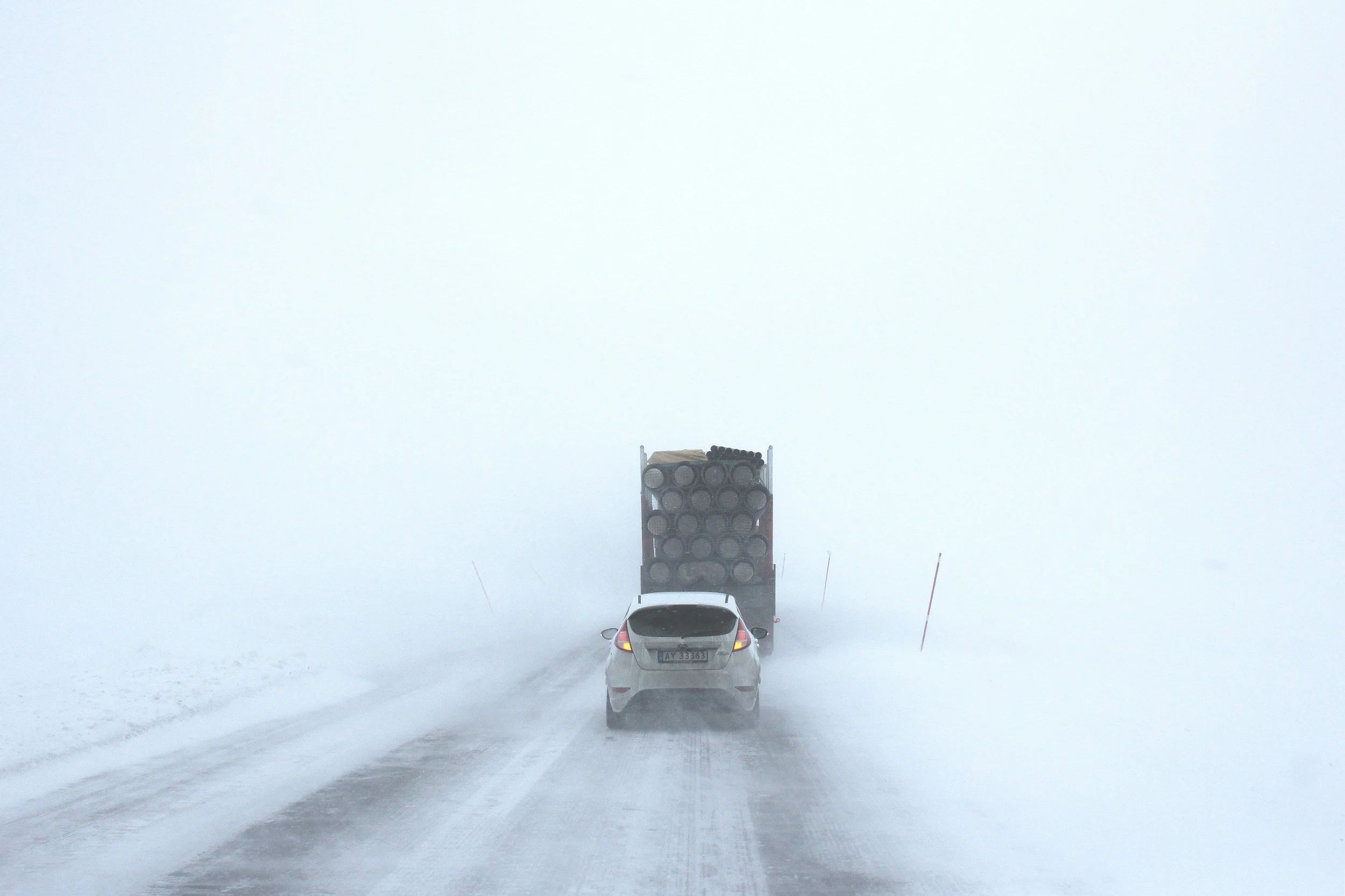
Winter Storm Emergency Lodging: What Agencies Should Prepare for Before Roads Close
As of January 26, 2026, multiple winter storm systems are impacting large portions of the United States, bringing heavy snow, ice accumulation, extreme cold, hazardous travel conditions, and power disruptions across several states. Emergency declarations and road closures are already affecting access in many regions, with conditions continuing to evolve.

What Relocation Specialists Do and How Lodging Fits Into Workforce Deployments
Relocation specialists are essential to workforce mobility. Their success depends heavily on lodging that is reliable, flexible, and supported by real people who understand deployment pressures.

7 Emergency Lodging Best Practices Agencies Can Apply Before the Next Crisis
When a disaster strikes, emergency lodging decisions must be made quickly, under pressure, and often with incomplete information. Agencies that struggle most during a crisis are rarely short on intent — they are short on preparation.

Emergency Lodging Planning for Disaster-Prone States: What to Prepare Now
Emergency lodging planning is not just about securing rooms or properties. It requires coordination, documentation, vendor readiness, and a clear operational framework that can be activated under pressure. States that prepare early are able to move faster, reduce costs, and support displaced populations with greater dignity and stability.

Supporting Displaced Populations with Dignity: 6 Principles Agencies Should Follow
Emergency lodging is often discussed in terms of logistics, contracts, and timelines. But at its core, it is about people—families, individuals, seniors, and vulnerable populations navigating sudden displacement during crisis.

5 Reasons Human Support Still Matters in Emergency Lodging Operations
In emergency lodging operations, speed and scale matter — but human judgment, empathy, and accountability still make the difference between a solution that works on paper and one that works in real life.

How Agencies Coordinate Emergency Lodging Across Multiple Jurisdictions
Disasters rarely respect jurisdictional boundaries. Hurricanes, wildfires, floods, and large-scale infrastructure failures often displace people across cities, counties, and even state lines.

When Emergency Lodging Becomes Long-Term: 4 Signs It’s Time to Transition
Emergency lodging is designed to be immediate, flexible, and fast. But in many disaster responses, what begins as a short-term solution can quietly extend into weeks or months.

5 Documents Agencies Should Prepare Before Emergency Lodging Activation
When a disaster strikes, emergency lodging decisions must happen fast. Agencies that are prepared can activate housing within hours. Agencies that are not often face delays, confusion, and avoidable risk.

What “Move-In Ready” Really Means for Emergency Lodging
When a disaster strikes, time is of the essence. For those in need of emergency housing, the term “move-in ready” becomes crucial. But what does “move-in ready” truly mean for emergency lodging?

Direct Lease vs Hotel Blocks: 5 Key Differences Agencies Should Understand
When disaster strikes, agencies must act quickly to provide safe, reliable lodging for displaced individuals. In these situations, the choice between direct lease and hotel blocks becomes critical. Each option has its own benefits and challenges that can impact the efficiency, cost, and overall success of a disaster response operation.

6 Per Diem Questions Agencies Ask About Emergency Lodging
Per diem questions are among the most common—and most misunderstood—issues agencies face when arranging emergency lodging.
During disasters, agencies must balance speed with accountability, often under intense scrutiny. Understanding how per diem applies to emergency lodging helps prevent delays, confusion, and compliance challenges.

5 Criteria Contracting Officers Use to Evaluate Emergency Lodging Partners
When disasters strike, contracting officers don’t have time for uncertainty. Emergency lodging partners are evaluated not just on availability, but on reliability, compliance, and execution under pressure.
Understanding what contracting officers prioritize can help agencies select the right partner before a crisis begins—and avoid costly delays when response time matters most.

Emergency Lodging Readiness Checklist for Agencies
When disaster strikes, speed and organization are paramount. Agencies that are prepared for emergency lodging activation are able to respond quickly and effectively, ensuring that displaced individuals receive the support they need without unnecessary delays. But how can agencies ensure they are ready?

Common Emergency Lodging Delays and How Agencies Can Avoid Them
Emergency lodging is a critical component of disaster response, but it doesn’t always happen as quickly as expected. Agencies often face delays during lodging activation, and these delays can have significant consequences, both for displaced individuals and for the agencies tasked with managing the situation.