
The Real Reason Some Families Don't Evacuate Before a Hurricane: Their Pets

When Hurricane Katrina hit in 2005, researchers later found that a significant share of residents who refused to evacuate did it for one reason: nobody would let them bring their dog, cat, or other pet along. Congress noticed. A year later, they passed a law over it.
What the PETS Act Actually Changed
The Pet Evacuation and Transportation Standards Act of 2006 requires state and local emergency plans to account for pets and service animals during a declared disaster. Before that law existed, shelters could and did turn families away at the door if they showed up with an animal. Now, pet emergency preparedness has to be part of the plan, not an afterthought handled on the fly once a storm is already bearing down.
Peak Atlantic hurricane season started August 15 and runs through October. This is exactly the window where that planning gets tested.

What a Pet Emergency Kit Actually Needs
Most families remember food and water for themselves. Fewer think through what their pet needs for the same three to seven days:
A secure carrier sized for the animal, not a laundry basket or cardboard box
Several days of food and water, plus a bowl
Any medications, along with a copy of vaccination and medical records
A leash, collar, and harness with current ID tags
Proof of microchip registration, since collars come off
A recent photo, in case the family gets separated from the animal during evacuation
A familiar blanket or toy to reduce stress in an unfamiliar shelter or vehicle
"Pet-Friendly" Doesn't Always Mean What Families Expect
Even where shelters accommodate pets, that often means a separate, co-located area rather than the same room as the family. Some counties still rely on a patchwork of partner shelters, boarding facilities, and volunteer fostering networks rather than one central pet-friendly site. Families who wait until evacuation day to find out how their county actually handles this end up making the decision Katrina families made twenty years ago: stay behind, pet and all.
What Happens After the Storm Passes
Evacuation is only the first half of the problem. Once a family is displaced for days or weeks while their home is assessed or repaired, they need somewhere to live that still allows the pet that got them through the storm in the first place. A lot of temporary housing options, especially hotels, either exclude pets outright or charge fees that add up fast during an already difficult stretch.
For Emergency Managers and VOADs: Pet Provisions Belong in the Housing Plan
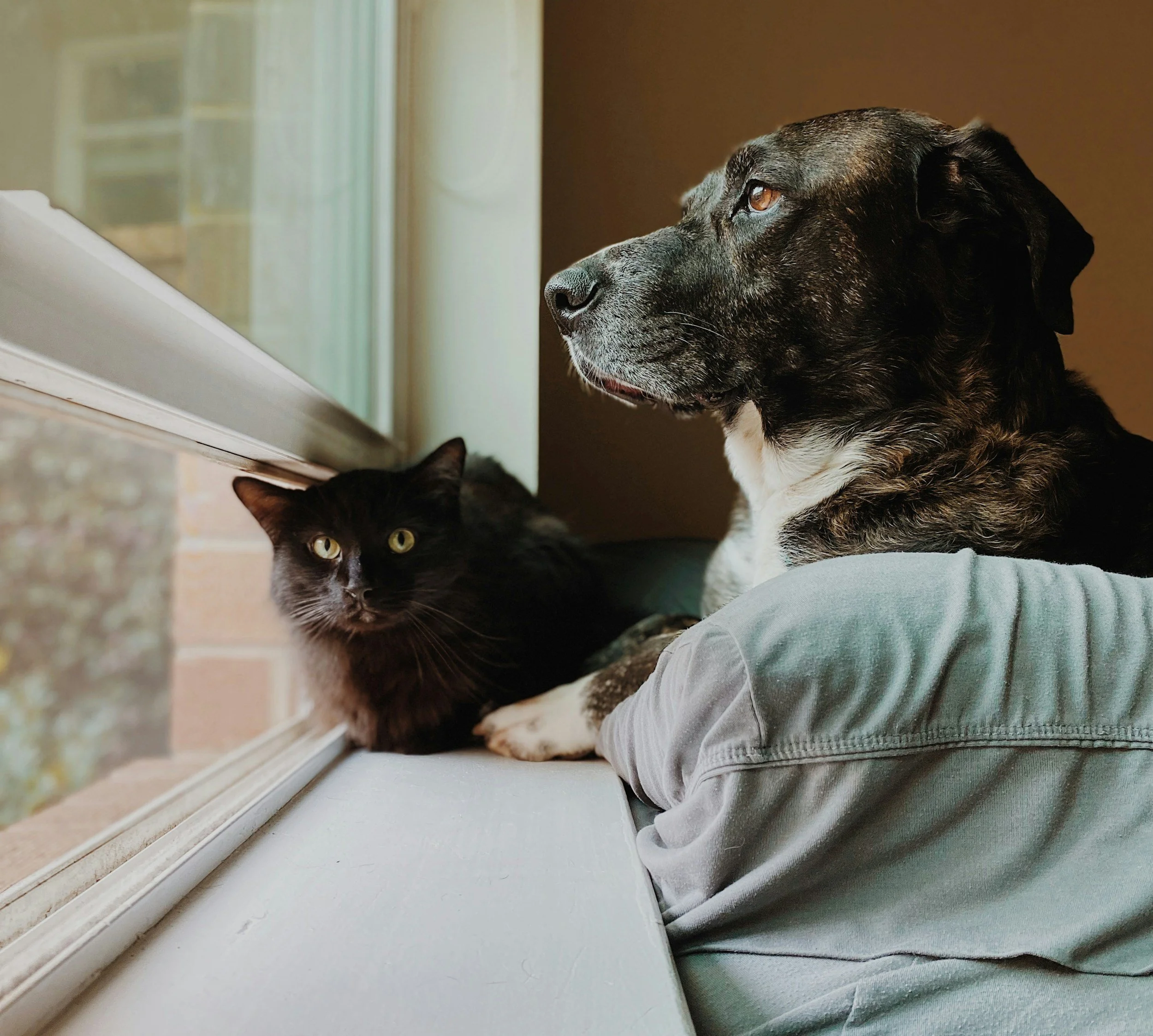
Any jurisdiction building out its 2026 hurricane season response should confirm, before a declaration ever comes down, that its housing partner can actually place pet-owning households, not just individuals and childless couples. This is a common gap agencies discover mid-response, which is the worst possible time to discover it.
Lima Charlie, Inc. has placed more than 37,000 households across 12 or more states and territories, holds active FEMA Direct Lease, DoD, and government contracts, and staffs support 24/7. Our emergency response housing team works directly with agencies and VOADs building out housing missions that account for pets from day one, not as an exception.
If your family or agency needs a pet-inclusive disaster housing plan before the next declaration hits, call us today at (888) 418-4773. A real person answers every time.