
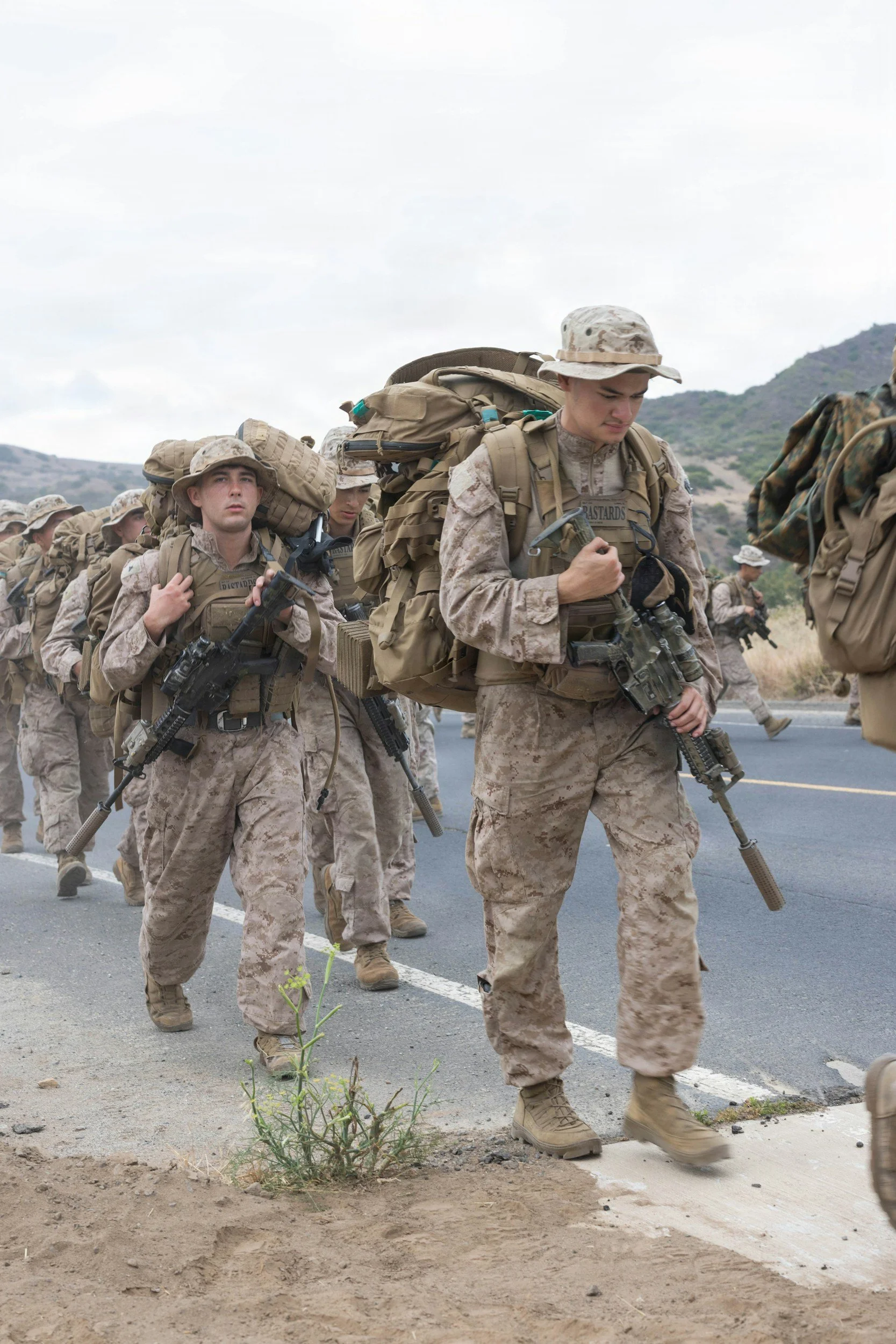
For the first time, the Marine Corps has put in writing exactly what makes a barracks room unfit to live in. A Marine administrative message released this month, reported by Military Times on November 10, sets what it calls “unified, non-negotiable standards of livability, accountability, and maintenance responsiveness across all installations.” It’s a meaningful step forward for Marine Corps barracks, and for the young Marines who call them home.
The message is direct about why it matters. “Compromises in habitability degrade warfighting capability and will not be tolerated under any circumstance,” it states.
What Counts as Uninhabitable Now
Under the new standards, a room is uninhabitable if it has any one of the following: visible mold or mildew, a visible pest infestation, or HVAC that doesn’t work. The same goes for broken door or window locks, failed plumbing or sewage, and no hot water.
The message also spells out what every room should have. That includes drinkable tap water, hot water of at least 110 degrees, Wi-Fi, a working refrigerator and a clean, stain-free mattress. Climate control should hold between 70 and 74 degrees. Walls and floors should be free of cracks and damage, and doors and windows should work and lock.
Those may sound like basics. Until now, though, they weren’t defined. An earlier barracks bill of rights from 2023 didn’t spell out key terms, which left a lot of room for interpretation.
Clear standards protect everyone. Marines know what to expect, and leaders know exactly what they’re accountable for.
Marines Can Now Refuse a Room Without Consequences

The biggest change may be this one. Marines can refuse uninhabitable housing without facing consequences from their chain of command. They can also request mast, a meeting with their commander, starting with the company commander and going up the chain as high as the commander with general court-martial convening authority.
Commanders are required to brief Marines fully on these rights. The message also defines the responsibilities of civilian barracks managers under the Barracks 2030 initiative, sets inspection timelines and checklists, and removes active-duty Marines from housing management duties.
Where Marines Go When a Room Doesn’t Meet the Standard
This is where the policy becomes a housing question. According to Military Times, the first priority when a Marine refuses a room is relocation to available on-base housing or temporary lodging while the problem gets fixed. If there’s no suitable option on base, the command may process Basic Allowance for Housing (BAH) eligibility so the Marine can rent locally.
That means some Marines may soon be looking for off-base housing on short notice, often near installations where the rental market is already tight. For a young Marine who has never signed a lease, that search can be stressful, especially when they need a place quickly and don’t know the area.
How We Got Here
The new standards build on years of attention to barracks conditions. A September 2023 GAO report documented problems including mold, vermin and water damage in military housing. The Marine Corps launched its Barracks 2030 initiative in 2024. Last year, the Secretary of War established a Barracks Task Force, and in October, Medal of Honor recipient Dakota Meyer was brought in to lead it.
We’ve followed this issue closely, from the MOLD Act in Congress to the Navy’s barracks plans in Hampton Roads. This latest step from the Marine Corps stands out because it gives individual Marines clear, enforceable standards they can point to.
What Marines and Leaders Can Do Now
For Marines, the most important step is knowing the standards. Read the checklist, document any problems with photos and dates, and report them through your chain of command. If a room is uninhabitable, you now have the right to say so.

For unit leaders and housing staff, it’s worth planning ahead for the times when on-base options run out. Knowing which temporary lodging options exist near your installation, and how quickly a Marine could be placed in one, makes the new policy work the way it was intended.
Furnished Housing Near the Installation
Lima Charlie Inc. is a service-disabled veteran-owned small business, and we help service members find quality, furnished, move-in-ready housing priced within their BAH and JTR entitlements. Whether it’s a short-term stay while a barracks room is repaired, a TDY assignment or a PCS move, we handle the details so Marines can focus on the mission. Learn more about our military housing services.
Our team has helped place more than 37,000 households across 12+ states and territories. We hold active DoD and government contracts, and we’re staffed live 24/7.
If you or your Marines need a place to land, we’re here to help.
📞 Call (888) 418-4773 or reach out online. A real person answers every time.