
State Disaster Housing Planning After NEMA 2026: What FEMA Told Emergency Managers in Little Rock
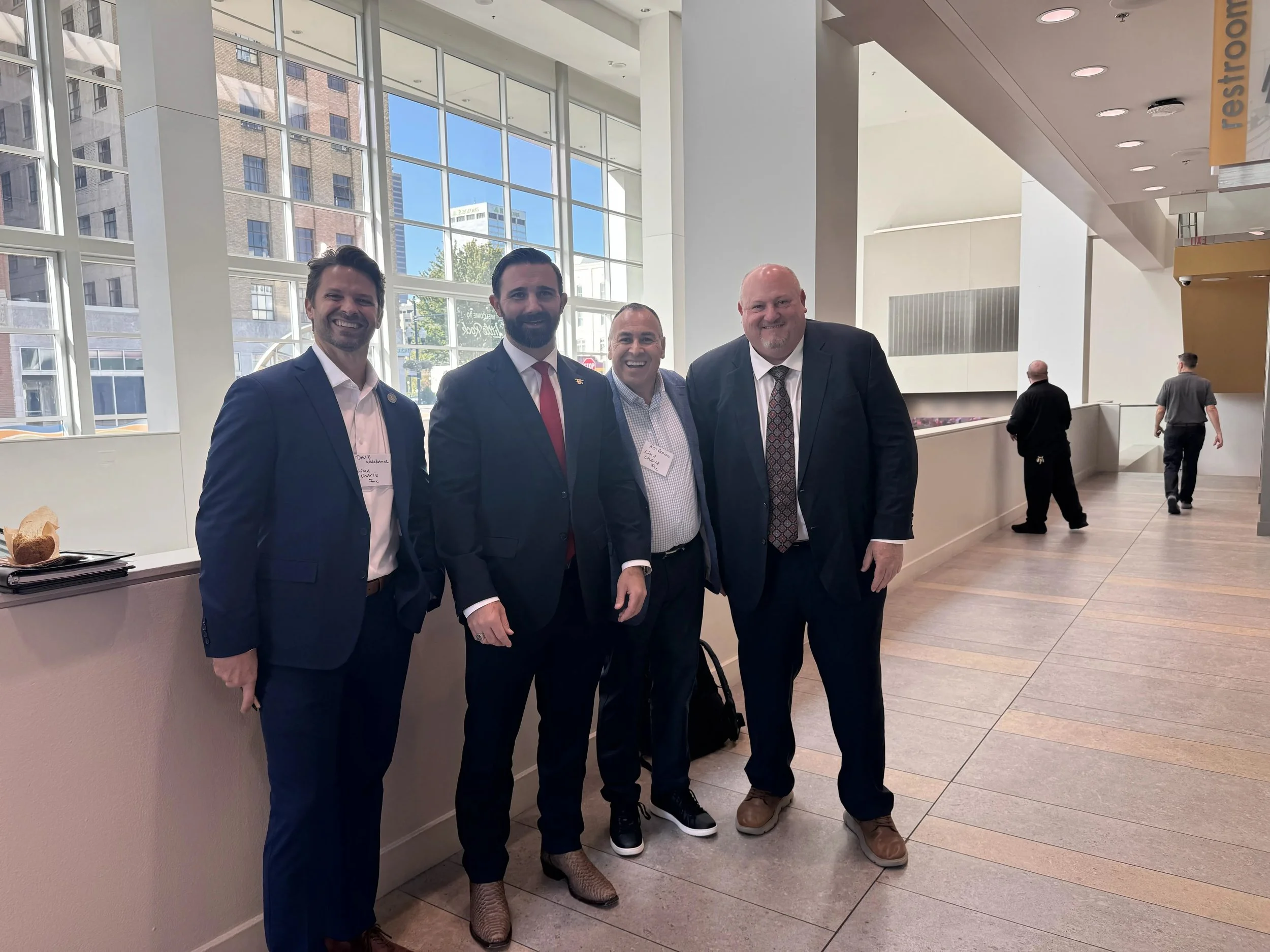
Our co-founders, David Waldbauer and Ron Cedillo, spent the week at the NEMA Annual Forum in Little Rock, October 19 through 22, sitting down with emergency management leaders from across the country. NEMA represents the emergency management directors of all 50 states, the territories, and the District of Columbia, and it administers the Emergency Management Assistance Compact, the mutual aid agreement states use to send help to one another. As a NEMA member, Lima Charlie pays close attention to what gets said in that room, because it shapes how state disaster housing gets planned for years afterward.
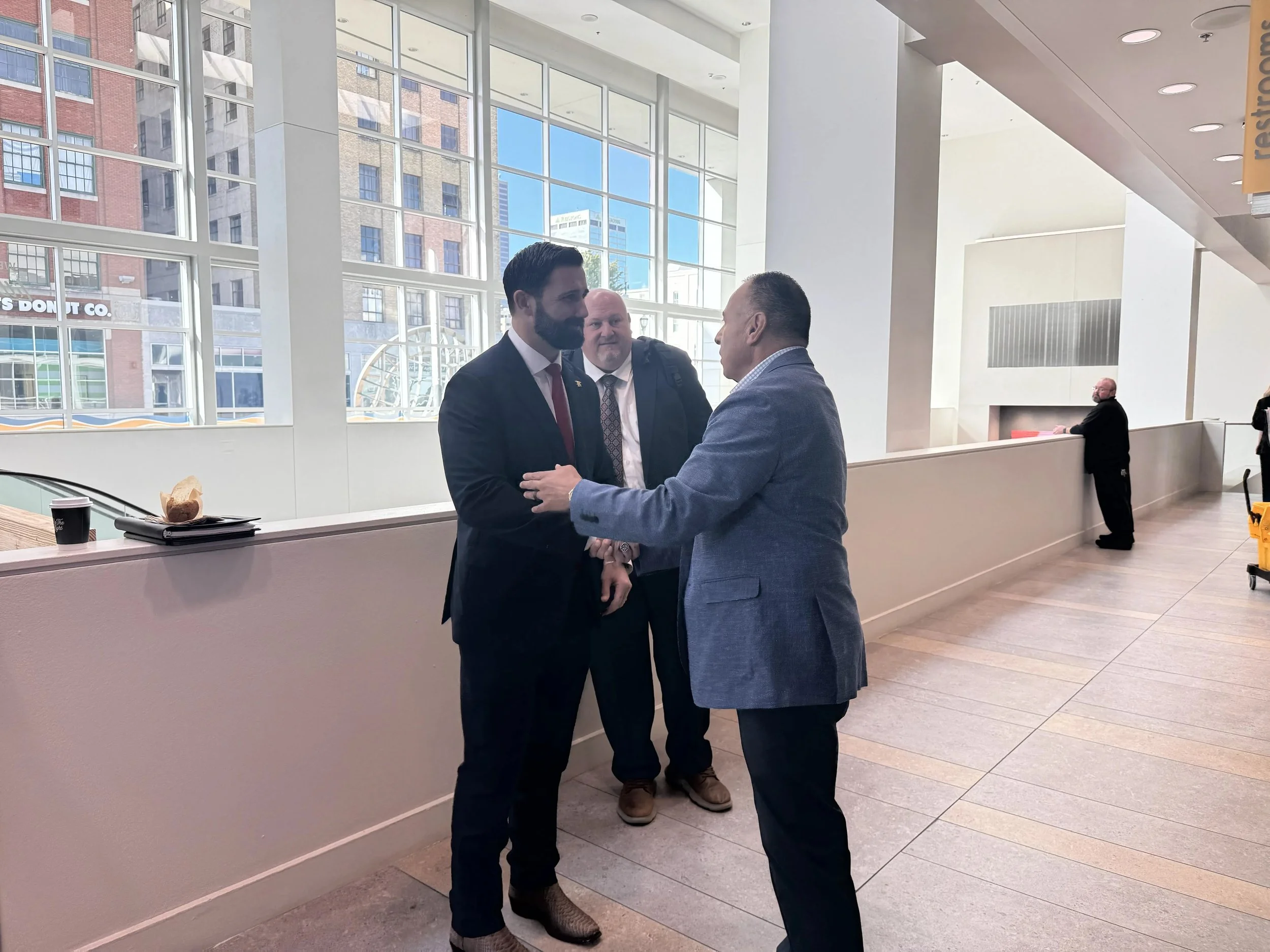
David and Ron also connected with FEMA's Cameron Hamilton and Robert Fenton to talk about what comes next for disaster housing. Hamilton's address to state officials on Tuesday drew the most attention. According to a recording obtained by Politico, he told them they need larger financial reserves and stronger capabilities so recovery can begin without waiting on the federal declaration process. He described a plan for national mutual aid, in which states help one another after storms, floods, and wildfires, said FEMA would ask for relief from some environmental and historic preservation reviews on rebuilding projects, and said changes could begin within six months. Politico also reported that the administration has not publicly announced any changes and has continued to approve disaster aid, and that a FEMA report released October 16 found state agencies "typically understaffed and underfunded." The reporting did not spell out how national mutual aid would fit alongside the existing compact.
Whoever owns the housing decision in the first hour should be named before the storm, not during it.
State disaster housing starts before the storm
David's takeaway from the week was simple. Different states, same goal: be ready before the next one hits. When a disaster strikes, the first question is always where survivors will sleep, and most housing plans come apart before the storm does, because the hard decisions get made too late. He came home with three things that make the biggest difference. Map your housing inventory by county, not just statewide, since a state can look fine on paper while one coastal or rural county has almost nothing. Get vendor agreements signed now, not during the response, so no procurement clock starts in the middle of a crisis. And plan for pets, accessibility, and keeping families together, because those are the gaps that push people out of shelters first.
One more question belongs on that list. Who can authorize a lodging contract in the first 24 hours, and which funding line pays for it before any reimbursement arrives? As David put it, preparation is an investment and reaction is a cost.

What states are already working through
NEMA's draft forum agenda shows states rethinking how they are organized. One Thursday session was listed on Pennsylvania's executive order to modernize its emergency management system, presented by the director of the Pennsylvania Emergency Management Agency, and another covered restoration and stronger rural power systems. The questions underneath are practical ones. Who coordinates, who pays, and who is responsible when resources run thin? Readers who want the source material can find the forum's documents at nemaweb.org and details on the mutual aid compact at emacweb.org.
Since 2021, Lima Charlie, Inc. has supported more than 37,000 households across 12 or more states and territories through active FEMA Direct Lease, DoD, and government contracts. We carry that number with humility, because every one of those households needed help at a hard moment. Our emergency response housing team works with states and agencies before disaster strikes to line up furnished housing, put agreements in place, and plan for the needs that matter most to survivors, through housing missions built ahead of an incident, not after.
If you were in Little Rock and want to compare notes, or your state is starting to map its housing plan, contact us or call (888) 418-4773. 📞 There may be a short menu first, but a live person picks up, any time, day or night.