
Six Disasters, One Week: What August's FEMA Declarations Mean for Housing
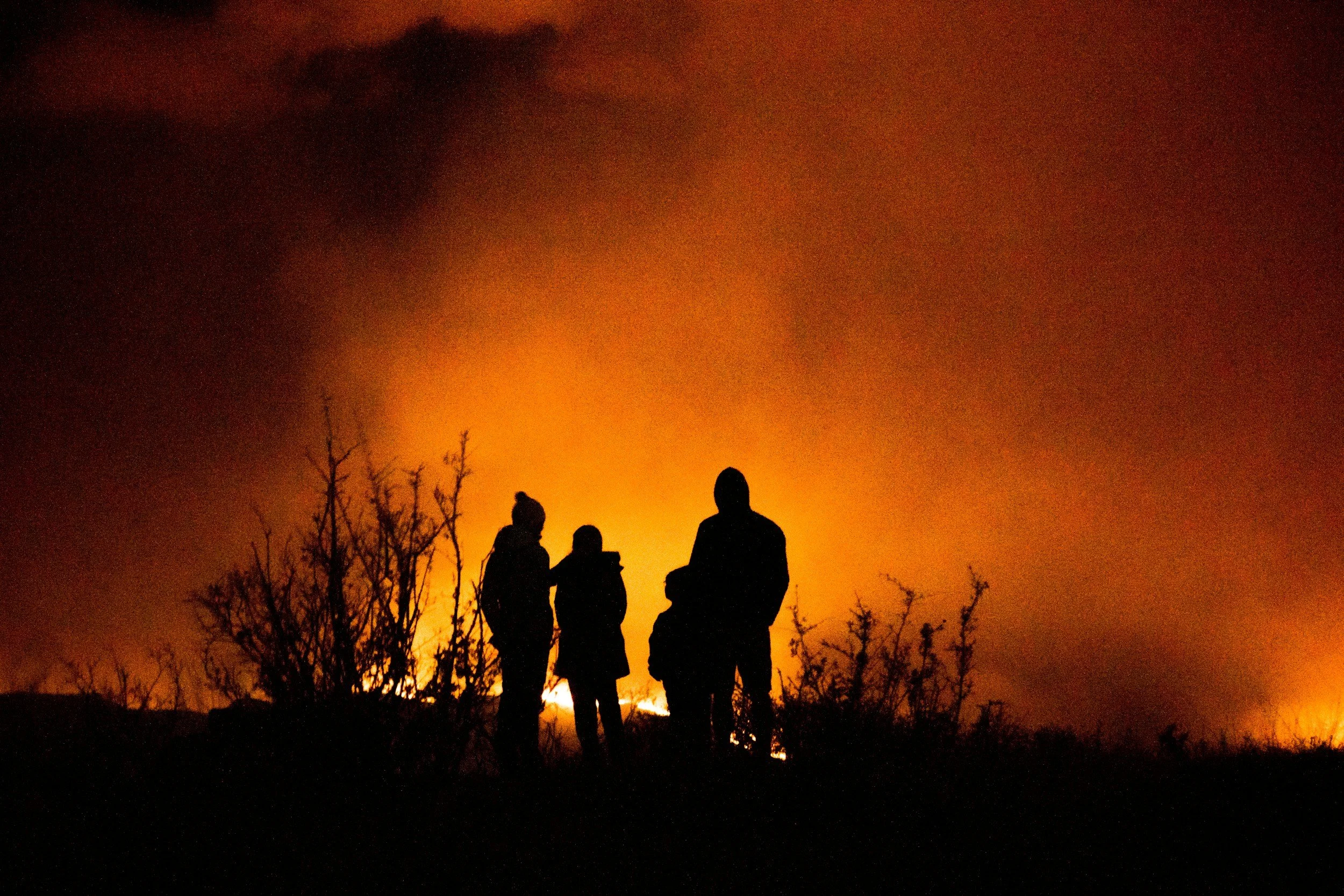
Most people only notice a FEMA disaster declaration when it involves their own zip code. But zoom out to the first week of August 2026, and the pattern is hard to miss. In a single week, the President approved major disaster declarations for West Virginia and Mississippi, additional public assistance declarations for Nebraska, Missouri, and the Commonwealth of the Northern Mariana Islands, and an emergency declaration for wildfires burning across six counties in Washington State. Six separate federal actions, six different disasters, one week on the calendar.
That is not a fluke. It is what National Resilience Month, the FEMA-recognized observance that runs all of August, is actually about: the country absorbing disaster after disaster, often several at once, while the housing and recovery systems behind them try to keep pace.
What Actually Happened This Week
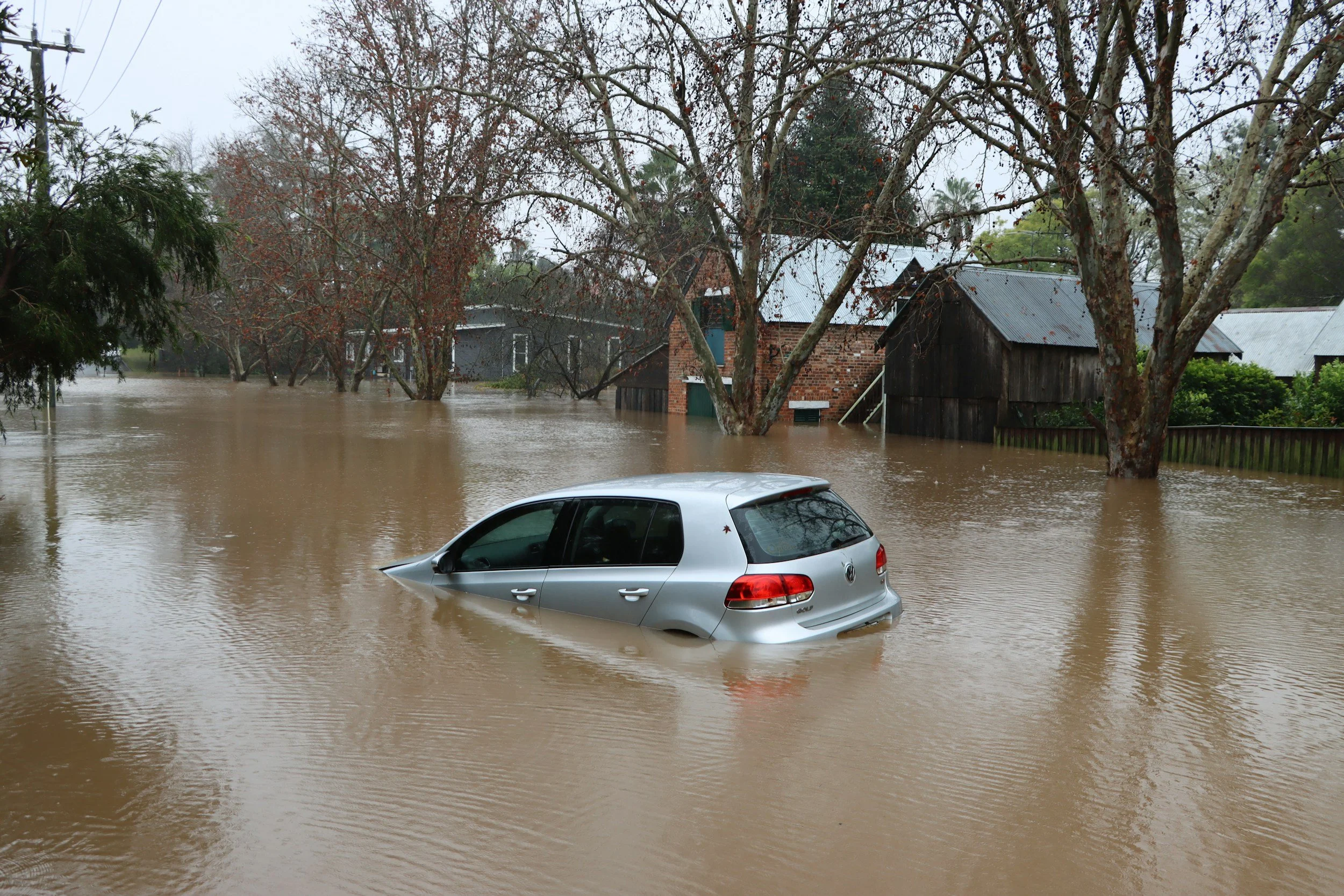
West Virginia's declaration, dated August 3, covers severe storms, straight-line winds, tornadoes, flooding, landslides, and mudslides that struck the state on July 21 and 22. Mississippi's declaration, also dated August 3, covers damage from Tropical Storm Arthur back in mid-June. Both are full major disaster declarations, meaning they open the door to Individual Assistance, the FEMA program that helps displaced households directly, not just the public assistance track that reimburses local governments for infrastructure repair.
Nebraska and Missouri also received declarations this week for spring storm damage, but theirs are limited to Public Assistance, covering roads, utilities, and public buildings rather than individual households. The Northern Mariana Islands received a similar public-assistance-only declaration tied to Super Typhoon Bavi. Washington's wildfire emergency declaration, meanwhile, authorizes FEMA to help the state fight active fires across Chelan, Ferry, Okanogan, Spokane, Stevens, and Yakima counties, but like the PA-only declarations, it does not include direct financial assistance to individuals.
The distinction matters. If you are a family in West Virginia or Mississippi whose home was damaged, you are now eligible to apply for FEMA disaster housing assistance. If you are in Nebraska, Missouri, or the Marianas, the federal money is flowing toward rebuilding infrastructure, not toward your living room.
How Individual Assistance Actually Reaches a Displaced Family
A major disaster declaration with Individual Assistance does not put a family into a new home by itself. It opens eligibility. From there, households apply through DisasterAssistance.gov or by phone, FEMA verifies the damage, and eligible applicants may receive Transitional Sheltering Assistance for hotel stays in the immediate aftermath, followed by longer-term rental assistance or, in areas where rental inventory has collapsed, placement through FEMA's Direct Lease program.
That last piece is where the timeline gets real for families. Transitional Sheltering Assistance covers a hotel room, but hotel rooms are not built for a family of four to live in for eight weeks while an insurance claim gets sorted out and a rental market that was already tight absorbs a sudden spike in demand. This is the exact gap that leaves families sleeping on relatives' couches while their kids miss school, because every nearby furnished rental within driving distance of their damaged home is already spoken for.
How FEMA Direct Lease Housing Works
FEMA's Direct Lease program contracts directly with housing providers who can place eligible households into existing, furnished, move-in ready properties, with utilities included. The program exists specifically for situations where the local rental market cannot absorb the sudden demand a disaster creates, which is exactly the situation building in parts of West Virginia and Mississippi right now.
The providers who make Direct Lease work are the ones who already hold active contracts before the declaration drops. When a disaster is declared, pre-vetted partners move within hours. Everyone else spends the first critical week figuring out how to even qualify.
Lima Charlie, Inc. holds an active FEMA Direct Lease contract and has placed more than 37,000 households across 12 or more states and territories following hurricanes, wildfires, floods, and storms like the ones declared this week. We also hold active DoD and government contracts, and we staff our response line 24 hours a day, seven days a week, specifically for moments like this one. You can review how our emergency response housing program works, or see examples of past activations on our housing missions page.
Why This Week Matters for the Rest of the Season
Peak Atlantic hurricane season begins mid-August and historically runs through October, the most active stretch of the year. If six federal disaster actions can land in a single week before the season even peaks, agencies and housing partners who wait until October to figure out their response plan will be doing so from behind. Emergency managers and contracting officers who lock in a housing partner now, while the season is still building, are the ones who will not be scrambling to explain to leadership why families are sitting in shelters two months from now.

If Your Family or Agency Needs Housing Right Now
If you are a household in West Virginia or Mississippi navigating a FEMA application, or an agency trying to place displaced residents before the next declaration hits, waiting is the most expensive option on the table. Call us today at (888) 418-4773. A real person answers every time, and we can walk you through what Direct Lease housing looks like for your specific situation. You can also reach our team directly through our contact page to start the process.