
National Emergency Management Awareness Month Is Here, and This Week Shows Exactly Why It Matters

Most people have never heard of National Emergency Management Awareness Month, and that is sort of the point. The International Association of Emergency Managers launched the observance in August 2025 specifically because the profession does its best work quietly, long before a disaster ever makes the news. This August, the wildfires burning across eastern Washington are giving that quiet work an unusually public test.
What National Emergency Management Awareness Month Actually Recognizes
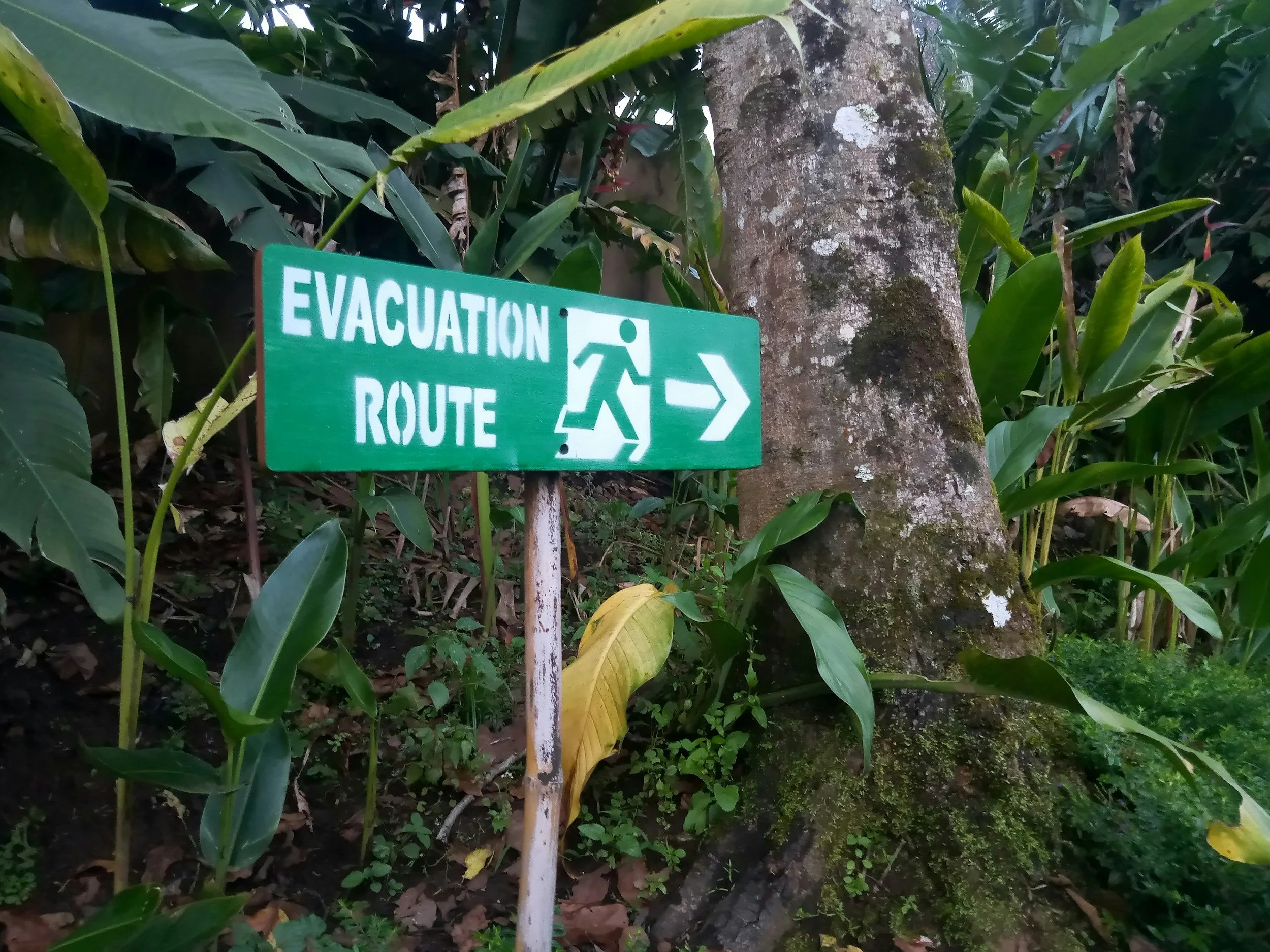
Every August, IAEM asks emergency managers at the local, tribal, state, and federal level to spend the month engaging elected officials, private sector partners, and their own communities about what the job actually involves. It is not a fire department or a police force. Emergency management is the planning discipline that sits behind both: building evacuation routes before anyone needs them, negotiating shelter agreements before a building fills up, and running exercises that, if they work, nobody ever notices.
The observance exists because that invisibility is a problem. Budgets get cut for programs nobody can see the value of, and elected officials undervalue a function that only proves itself in a crisis. National Emergency Management Awareness Month is IAEM's attempt to change that before the next disaster forces the point.
A Live Example: The Washington Wildfire Response
On August 4, 2026, President Trump approved a federal Emergency Declaration for Washington State, authorizing FEMA to support the state's response to wildfires burning across Chelan, Ferry, Okanogan, Spokane, Stevens, and Yakima counties, along with the Confederated Tribes and Bands of the Yakama Nation, the Confederated Tribes of the Colville Reservation, and the Spokane Tribe of Indians. In Spokane County, the Old Trails, Autumn Lane, and Fairview fires had already burned more than 10,000 acres and destroyed at least 700 structures, forcing tens of thousands of people from their homes.
That declaration did not happen in a vacuum. Governor Bob Ferguson declared a statewide emergency days earlier, citing drought, record heat, and high winds. By the time federal approval came through, eight task forces were already deployed to the Sinlahekin Fire in Okanogan County, five more to the Bradeen Hill Fire in Stevens County, and additional strike teams to fires in Chelan County. That kind of coordinated response across six counties and three tribal nations is the direct result of emergency management planning done months and years in advance, which is exactly the work this month is meant to highlight.
Where the Housing Gap Opens Up
An Emergency Declaration authorizes FEMA to support evacuations, emergency shelters, food and water, and search and rescue. It is narrower than a Major Disaster Declaration, and it does not automatically unlock individual assistance programs like FEMA's Transitional Sheltering Assistance or Direct Lease housing. Those typically follow once damage assessments are complete, if the situation warrants a full Major Disaster Declaration.
In the meantime, the practical question of where displaced families actually sleep falls to a mix of state agencies, tribal governments, and private housing providers who can move fast. This is the part of emergency management that rarely gets covered: the plan can be excellent and the coordination flawless, and there is still a family standing in a shelter three weeks later because nobody lined up furnished housing in advance.
What Emergency Managers Should Look for in a Housing Partner
For agencies managing this response, or preparing in case a similar declaration hits their jurisdiction later this wildfire season, the same short list applies every time:
Active participation in FEMA's Direct Lease and Transitional Sheltering Assistance programs, confirmed and current, not pending.
Furnished housing inventory that can scale across multiple counties or states at once, since wildfire displacement rarely stays inside one jurisdiction's lines.
A live 24/7 line answered by a real person, since disaster response does not run on a nine-to-five schedule.
A documented track record of prior FEMA deployments, distinct from general hospitality or short-term rental experience.
Why This Is Worth Recognizing Beyond August
National Emergency Management Awareness Month is a one-month campaign, but the work it highlights runs year-round. The emergency managers coordinating Washington's response this week are the same people who will be updating evacuation plans in October and running tabletop exercises in February, long after the fires are out and the story has left the news cycle. The housing partners who show up fastest during a declaration are usually the ones who built the relationship with agencies before anyone needed it.
Lima Charlie Is Built for This Exact Moment

Lima Charlie, Inc. has placed more than 37,000 households across 12 or more states and territories, with active FEMA program participation and active DoD and government contracts. Our team is staffed 24/7, because wildfire and hurricane declarations do not wait for business hours.
If your agency is managing displacement from the Washington wildfires, or preparing ahead of the next declaration this season, our emergency response housing team can talk through options today. You can also see how we've supported past housing missions across the country.
Call us today at (888) 418-4773. A real person answers every time.