
NMSDC 2026 in Los Angeles: What Supplier Diversity Teams Should Ask Their Corporate Lodging Partner
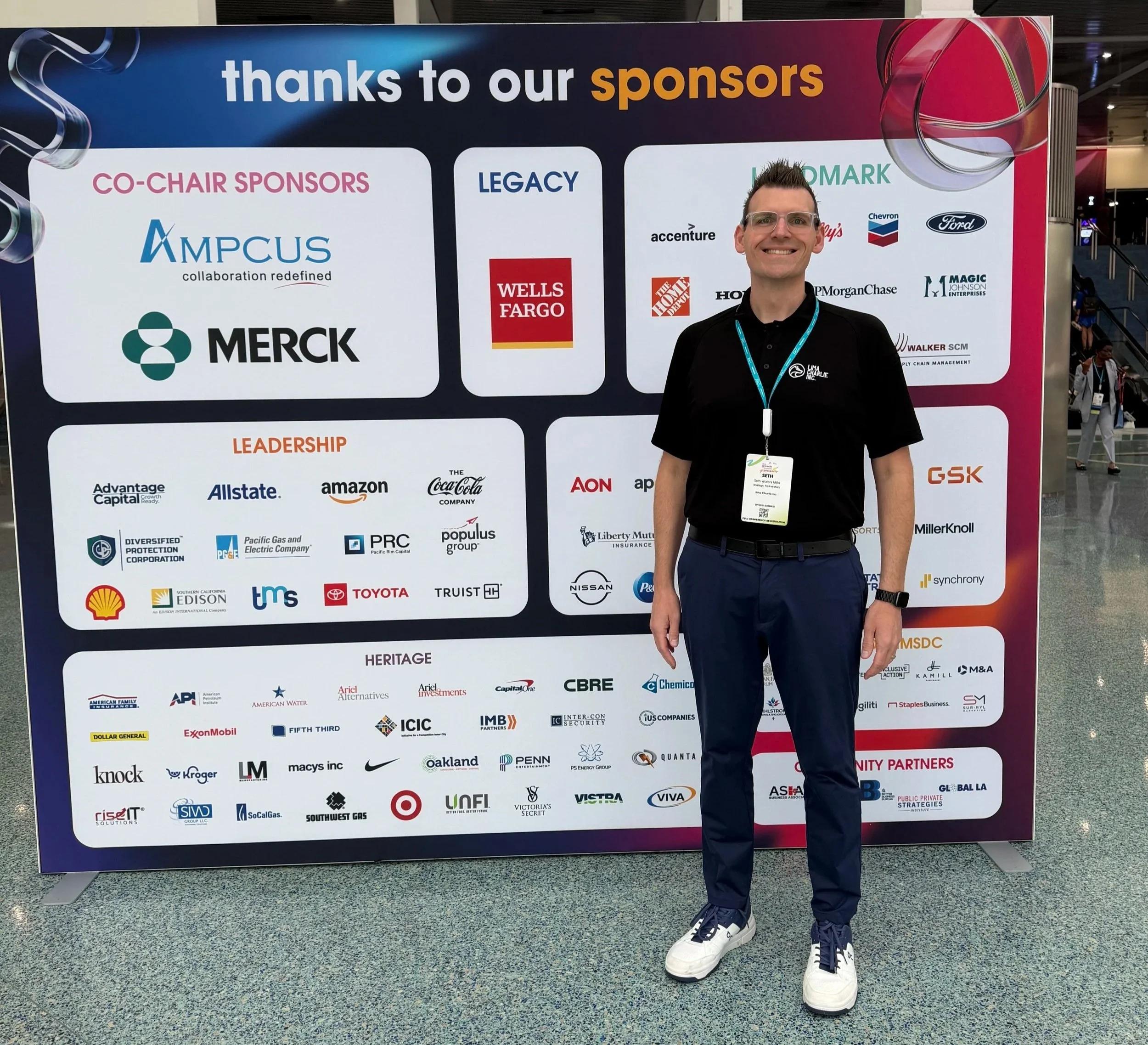
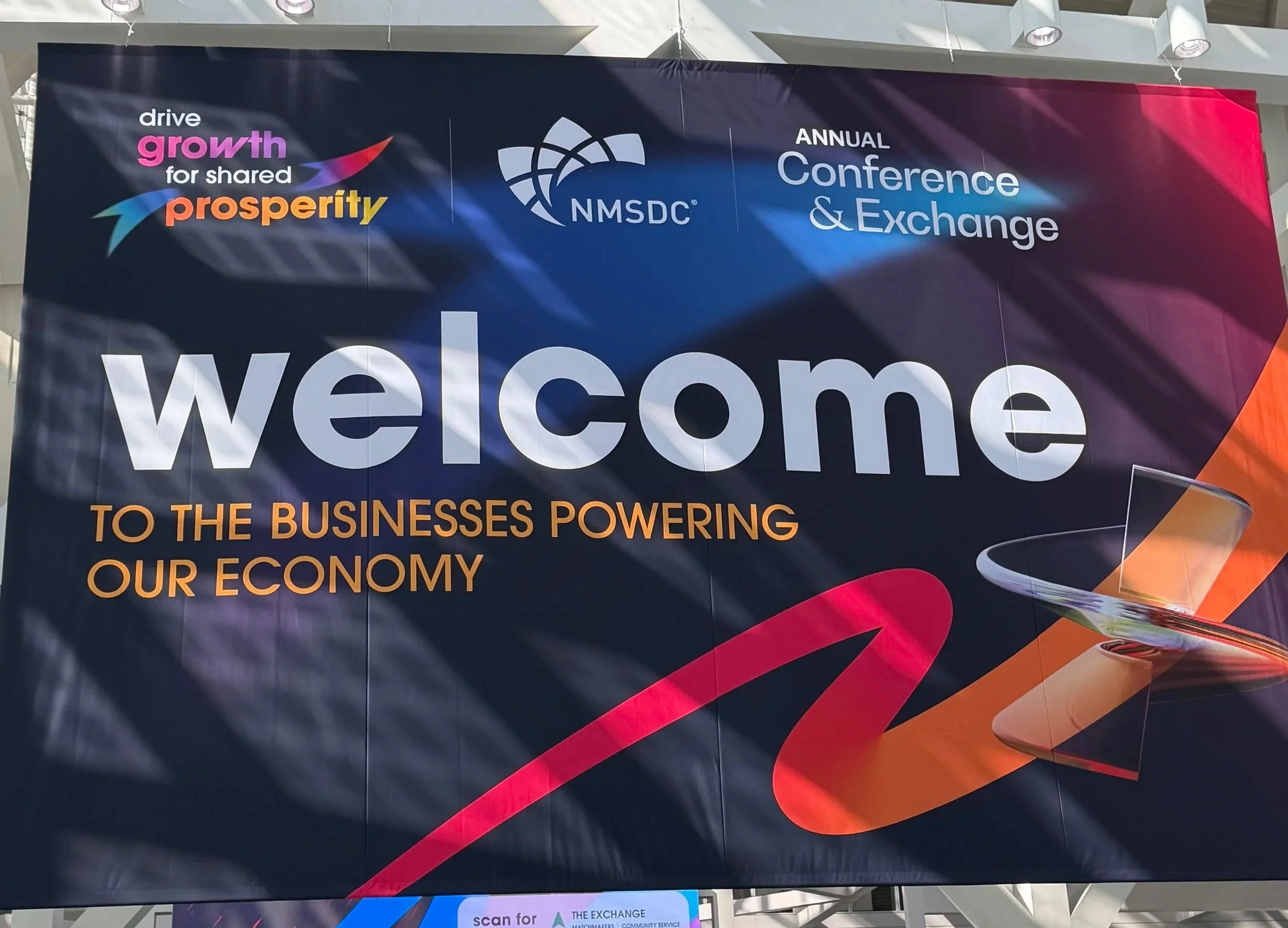
Thousands of business leaders, corporate executives, and procurement professionals gathered at the Los Angeles Convention Center October 25 through 28 for the NMSDC Annual Conference and Exchange, under the theme Drive Growth. Create Opportunity. Shape the Future of American Prosperity. Seth Waters of Lima Charlie’s Strategic Partnerships team was there, meeting the procurement and supplier diversity teams that decide where a company’s spend goes. NMSDC says the minority businesses it certifies generated $599.7 billion in economic output in 2024 and supported more than 2.2 million jobs, which is a good measure of how much opportunity runs through these supplier relationships.
The best supplier relationship is the one already set up on the day the need appears.
Housing is a spend category that deserves a plan
Corporate lodging rarely sits in one budget. Relocation, project teams, interns, insurance placements, and government work each buy it differently, often through separate hotel bookings, booking platforms, and one-off invoices. The need is common. Atlas Van Lines’ 2026 corporate relocation survey found that 38 percent of companies offer extended temporary housing as a nonstandard incentive, and 26 percent of respondents said the real estate market affected how many employees they moved. When that spend is scattered, nobody can see it, and a procurement team cannot report on what it cannot see.
What supplier diversity teams should ask a lodging partner
A few questions separate a lodging supplier that fits a supplier diversity program from one that creates extra work. Is the certification current and verifiable by your team? Supplier diversity programs track spend in two layers: Tier 1 is direct spend with a certified supplier, and Tier 2 is the diverse subcontracting spend that prime suppliers generate on a buyer’s behalf, so the supplier should be able to tell you how its own network reports. Can it consolidate invoicing and give you spend visibility by program, project, or cost center, so reporting is a download instead of a reconciliation project? Is service delivery backed by defined service levels, and does a person take responsibility when something goes wrong? And how fast can it place a team when the request lands on a Friday afternoon?
Where Lima Charlie fits
Lima Charlie is a Service-Disabled Veteran-Owned Small Business certified through NaVOBA and Disability:IN. We provide fully furnished housing nationwide for disaster recovery, military moves, corporate relocations, insurance placements, and government teams, and we handle the work from finding the right place to move-in day. Our corporate lodging program offers placement in 48 to 72 hours, centralized invoicing, procurement-ready reporting, and service-level-backed delivery, with a person accountable on our side. For a look at one of the budget cycles where this matters most, see our post on Q4 relocation budgets.
Since 2021, Lima Charlie, Inc. has supported more than 37,000 households across 12 or more states and territories, with live staffing around the clock. We carry that number with humility, because each placement is a person who needed somewhere to land. NMSDC’s own program for the conference is posted at nmsdc.org.
If your supplier network needs a housing partner, contact us or call (888) 418-4773. 📞 A short menu may come first, then a live person, any time, day or night.