
Five States, Five Disaster Declarations: What Fast Housing Response Actually Requires
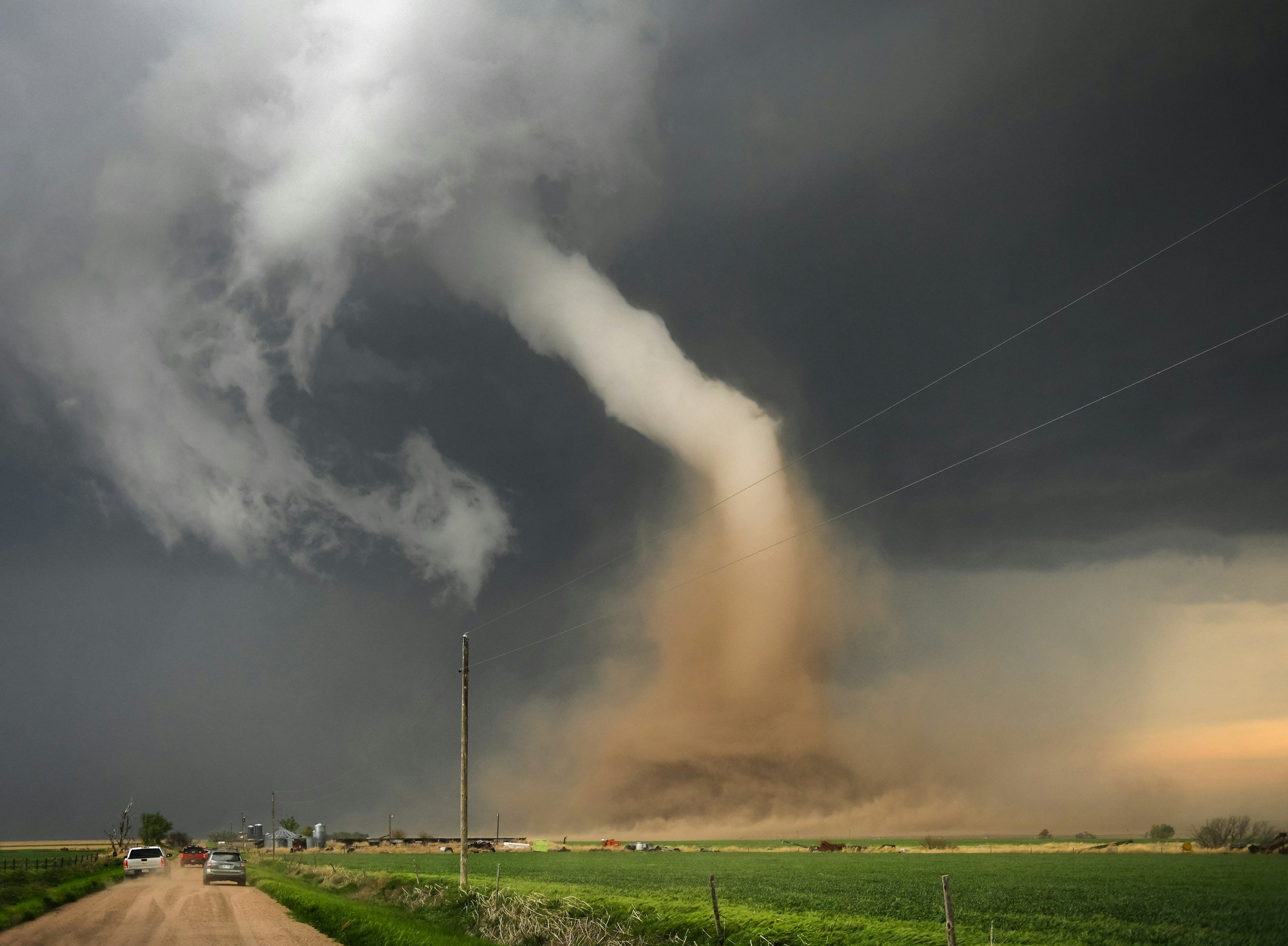
West Virginia got its major disaster declaration on August 3. The paperwork, FEMA-4932-DR, covers Lewis and Upshur counties, hit by severe storms, straight line winds, tornadoes, flooding, landslides, and mudslides on July 21 and 22. Missouri, Nebraska, and Washington all picked up their own declarations for straight line winds, severe weather, and wildfire damage this summer. Louisiana and Mississippi added more parishes and counties to their Tropical Storm Arthur declarations, expanding recovery assistance local governments are still tallying up.
That is five states with active federal disaster paperwork open at the same time, in the same month that peak Atlantic hurricane season began on August 15. None of this is unusual. It is exactly what late summer looks like now. What changes year to year is not whether disasters happen, it is whether housing is ready when they do.
Why Five Declarations at Once Actually Strains Response Capacity
Every one of these five states pulls from the same limited pool of housing providers who can move fast, at scale, with real inventory already in place. When West Virginia, Missouri, Nebraska, and Washington all need placements in the same stretch of weeks, and Louisiana and Mississippi are simultaneously expanding their own recovery footprint, the providers who already hold active government contracts and know their own inventory cold are the ones agencies lean on. Providers without that groundwork cannot simply step up after a disaster hits. Vetting, qualification, and contracting take months, not days. That is why the housing partner conversation has to happen long before the next declaration, not after it.
For a family in Lewis or Upshur County right now, the practical question is simple: is there a furnished, move-in ready home available near where they work, where their kids go to school, where their support system is. For an emergency manager watching four other states pull from the same national bench of housing providers, the question is whether their jurisdiction already has a relationship in place or whether they are starting cold when the next storm hits.
Why Late Summer Is the Real Test of Readiness
Hurricane season runs through November 30. Wildfire season in the West is not close to over. Five active declarations in August is not a spike, it is the baseline for this time of year, and it will likely repeat again before the season ends. Agencies that treat each disaster as a one-off scramble end up relearning the same lessons: hotel rooms disappear within days, short-term rental inventory evaporates, and families end up displaced far longer than anyone wants.
The alternative is having a housing partner already on contract before the declaration lands. That is what turns a housing crisis into a housing placement, measured in hours and days instead of weeks.

What to Look for in a Housing Partner
Agencies and displaced families evaluating a housing partner should look for a track record across multiple states and disaster types, not just one region or one kind of event. They should confirm the provider holds active contracts right now, not a pending application. And they should ask how fast a family can actually be placed once eligibility is confirmed.
Lima Charlie, Inc. has placed more than 37,000 households across 12 or more states and territories, holds active FEMA Direct Lease, DoD, and government contracts, and staffs support 24/7. Our teams have moved families out of shelters and into furnished housing during hurricane, flood, tornado, and wildfire responses, often within 24 to 48 hours of a confirmed eligibility determination.
If you are an emergency management agency, a Voluntary Organization Active in Disaster, or a prime contractor evaluating housing capacity ahead of the next declaration, we want to hear from you before the next storm forms, not after. Reach out through our Housing Missions page or contact us directly to talk through your region's readiness.
If your family has been displaced by one of this month's declared disasters, call (888) 418-4773. A real person answers every time.
Lima Charlie, Inc. has placed more than 37,000 households across 12 or more states and territories, holds active FEMA Direct Lease, DoD, and government contracts, and staffs support 24/7. Call us today at (888) 418-4773. A real person answers every time.