
Earthquake Preparedness Housing: Getting Ready for the Great ShakeOut
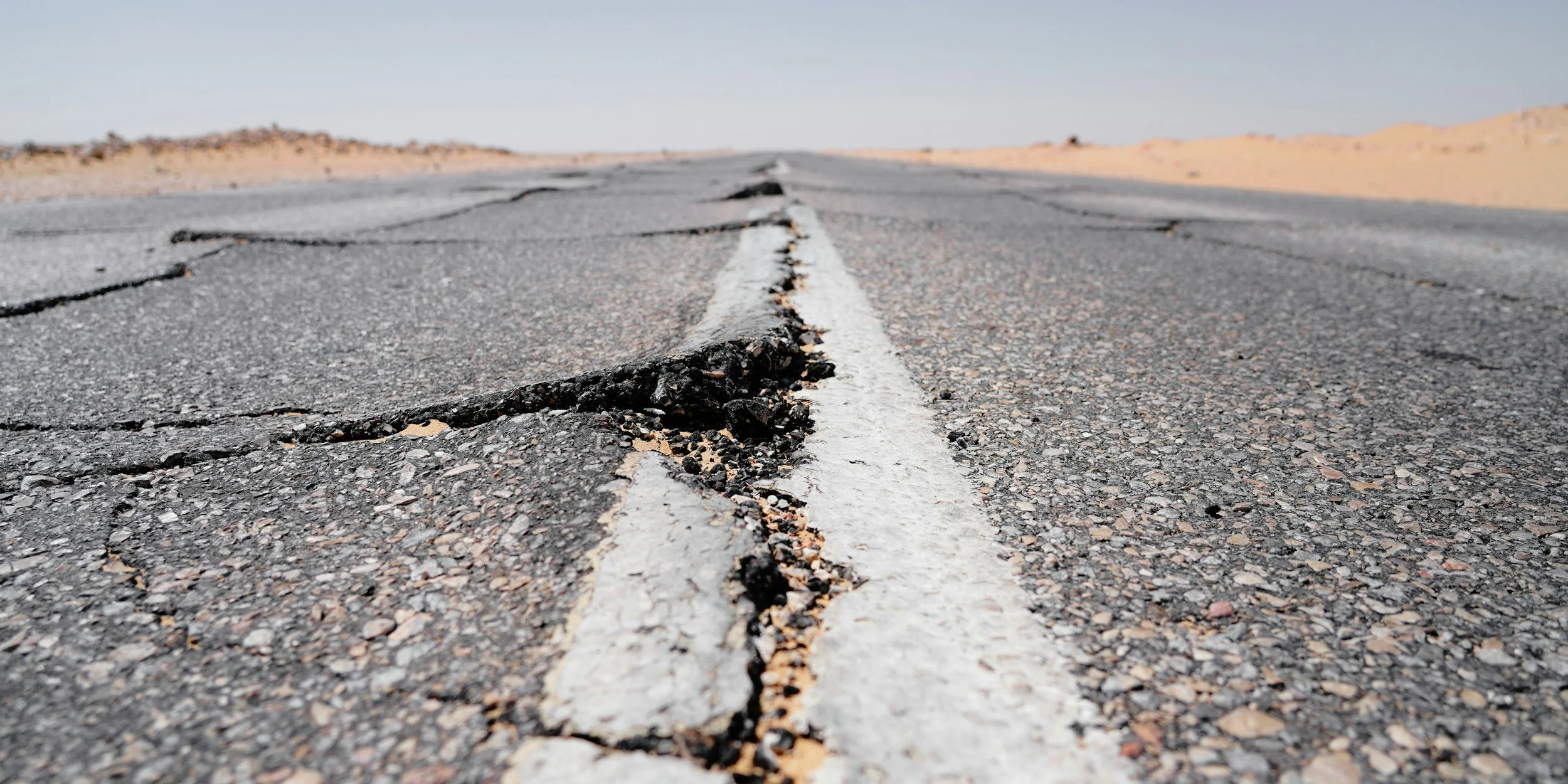
The Great ShakeOut Earthquake Drill returns on October 15, 2026, at 10:15 a.m. local time, when millions of people across the country and around the world will stop for one minute to practice Drop, Cover, and Hold On. Last year's drill drew more than 60 million participants worldwide, with millions registered across the United States alone and roughly 9 million in California, the state where the drill began back in 2008.
With ten days to go, this is the window for households, schools, employers, and agencies to actually register and plan their participation, rather than hearing about it after the fact on October 16. Earthquake preparedness housing planning fits naturally into this same window, because the ShakeOut drill itself only takes a minute, but the housing questions a real earthquake raises take considerably longer to answer if you have not thought about them in advance.
TL;DR (Quick Summary)
Last year's Great ShakeOut drew more than 60 million participants worldwide
Earthquake preparedness housing planning takes longer than the one-minute physical drill itself
Nearly half of Americans live in areas exposed to potentially damaging earthquake activity
Earthquakes strike without the advance warning a hurricane provides
Confirming earthquake insurance coverage now matters more than during the event itself
Why the Drill Matters Beyond the One Minute
Nearly half of Americans live in areas exposed to potentially damaging earthquake activity, according to USGS assessments, a figure that surprises people who associate earthquake risk narrowly with California. The ShakeOut's real value is not the physical act of dropping and covering, which most participants already know how to do. It is the fact that organizing a drill forces households, schools, and workplaces to also think through the rest of an earthquake response plan: how you would communicate with family members if you were separated when it happened, whether your home has been assessed for structural earthquake risk, and where you would go if your home were damaged enough that you could not stay in it.
That last question is the one most drill participants never get to, because a one-minute physical drill does not naturally prompt a conversation about post-disaster housing the way an evacuation drill for a hurricane does. Earthquakes strike without the days of advance warning a hurricane provides, which means there is no equivalent lead time to finalize a housing plan once the shaking has already started. The planning has to happen now, in the calm before an event, not during it.

What to Add to Your ShakeOut Participation This Year
If your household, school, or organization is registering for this year's drill, use the moment to also confirm a few housing-adjacent basics. Know your insurance policy's earthquake coverage specifically, since standard homeowners policies typically exclude earthquake damage and require a separate rider that many households do not realize they are missing until after a quake. Confirm where your household would go if your home were red-tagged as unsafe to occupy, and make sure that plan does not assume a hotel will simply be available, since a significant seismic event can displace enough households simultaneously to overwhelm local hotel and short-term rental capacity within days.
For agencies and emergency managers in seismically active regions, ShakeOut week is also a useful annual checkpoint to confirm housing partner readiness specifically for earthquake displacement scenarios, which behave differently than hurricane or flood displacement because there is no advance warning period to pre-position resources.
What Comes Next
This post covers the ten-day runway before the drill itself. Closer to October 15, we will look specifically at what earthquake displacement housing looks like in practice, drawing on how FEMA and regional housing partners respond when a seismic event actually forces households out of their homes. For now, the actionable step is simple: register for the drill if you have not, and use the preparation window to close the housing gap in your family's or agency's broader earthquake plan.
How Lima Charlie, Inc. Helps
Frequently Asked Questions
Does standard homeowners insurance cover earthquake damage?
Typically no. A separate earthquake rider is usually required, and many households do not realize they are missing it until after a quake.
How is earthquake displacement different from hurricane displacement?
Earthquakes give no advance warning, so there is no lead time to pre-position housing resources the way there is with an approaching storm.
What should I do before this year's ShakeOut drill?
Register for the drill, confirm your insurance coverage, and identify where your household would go if your home were damaged.
Final Thought
The Great ShakeOut drill takes one minute. Earthquake preparedness housing planning takes longer, and it has to happen now, since there is no advance warning once the ground actually shakes.

Where Lima Charlie Inc. Fits In
Lima Charlie Inc. provides furnished emergency response housing and FEMA Direct Lease placement for displaced households, with active support across 12 or more states and territories. No waitlists. No procurement delays. Just move-in ready housing built around your declaration, your timeline, and your eligibility.
We have supported more than 37,000 households through federally governed housing programs and bring that same standard to every emergency placement we manage.
Customer Service, 24/7 Support: (888) 418-4773. Real people. No automated systems. https://limacharlieinc.com/emergency-response-housing