
Why Corporate Housing Can't Keep Up With Trade Show and Conference Demand
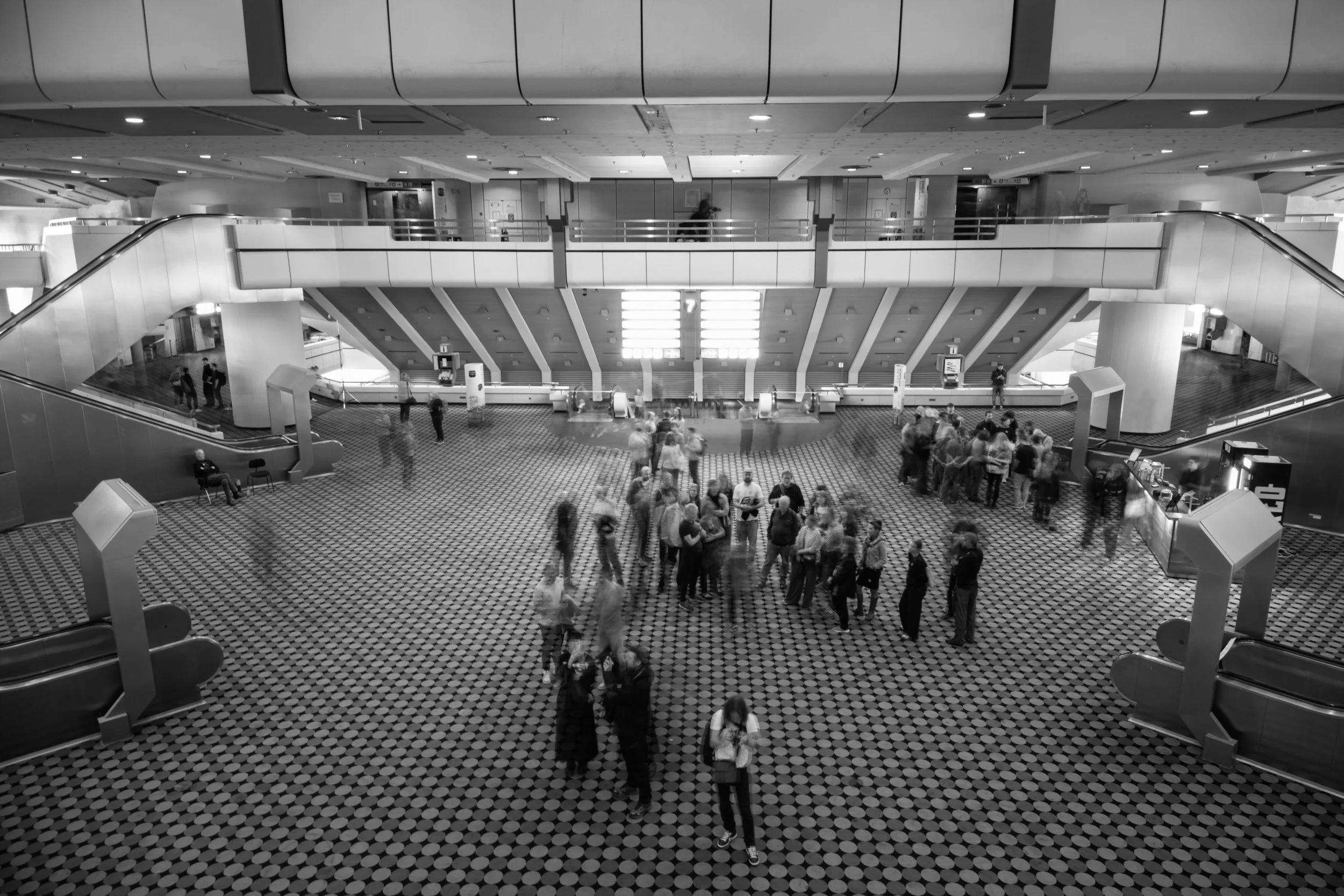
Book a hotel room in a convention city six weeks before a major trade show and you'll find one of two things: a rate that's tripled, or a "sold out" message where the room used to be. Corporate housing isn't immune to this. It just breaks in a slightly different way, and most companies don't find out how until they're already stuck.
Lima Charlie has watched this play out across dozens of markets. The pattern holds whether it's a tech conference in Austin, a medical convention in Orlando, or an oil and gas trade show that quietly triples demand in a mid-size Texas city for four days a year.
A citywide convention doesn't just fill hotel rooms. It pulls from the same pool of furnished apartments, extended-stay units, and short-term rentals that corporate housing providers rely on for relocation clients, project teams, and traveling employees who need something longer than a hotel stay but shorter than a lease.

Here's the part that catches people off guard: convention housing bureaus lock in hotel room blocks a year or more in advance through the citywide's official housing partner. Corporate housing inventory doesn't work that way. Most furnished units get booked on 30 to 90 day cycles, which means a 10,000-attendee conference can absorb a market's entire spare inventory almost overnight, weeks before anyone outside the hospitality industry is paying attention.
Add in room block attrition clauses (the penalties event organizers pay if they don't fill their contracted hotel blocks) and you get citywides pushing overflow demand straight into the extended-stay and furnished apartment market, because that's where the remaining supply sits.
Why This Hits Corporate Teams Harder Than It Should
Companies sending employees to a conference usually book housing the way they'd book any business trip: two to three weeks out, sometimes less. That works fine in a normal week. During a major citywide event, it's already too late.
HR and travel teams often don't know a conference is happening in a market until their own employee's trip request lands on a desk. Meanwhile, a company that also has project teams, relocating employees, or traveling contractors already stationed in that city suddenly finds their existing corporate housing renewal caught in the same supply crunch as the conference attendees. Nobody planned for both to collide. They just did.
There's also a quieter problem: per diem rates. GSA per diem rates for a city are set based on typical lodging costs, not "the week 40,000 people are in town for a medical conference." An employee following standard per diem guidance can end up unable to book anything at all in that window, because actual market rates have blown past the government rate by a wide margin.
What Actually Breaks First
It's rarely the housing itself that fails first. It's the assumption that availability today means availability in six weeks. A few things tend to go wrong in order:
Furnished inventory near the convention center gets absorbed by the housing bureau's preferred partners first, since those relationships are contracted well ahead of time. What's left gets picked over by relocation clients and project-based corporate housing users who booked slightly earlier. By the time a company realizes their conference-week housing needs overlap with an ongoing project team's lease renewal in the same building, the options left are further from the venue, pricier, or both.
None of this is a failure of any single provider. It's a timing problem baked into how citywide events and furnished housing markets operate on different booking calendars.
What Companies Sending Teams to Conferences Should Actually Do
Book the housing search the same day the conference is confirmed on the calendar, not the week travel approves the trip. If your company already has corporate lodging in a market, flag the conference dates early so your provider can hold or extend units before the citywide absorbs what's left nearby.
Markets like Dallas and Orlando see this cycle repeatedly, since both host frequent large-scale conventions on top of steady corporate relocation demand. A provider who already has active inventory in that specific city has a real advantage over one starting a search from scratch after the citywide's housing bureau has already worked the market.
It also helps to separate "conference housing" from "ongoing corporate housing" in planning conversations, even if the same team manages both. A relocation lease renewal and a four-day conference booking compete for the same handful of available units, and treating them as one request usually means one of them loses.

The Bottom Line
Trade show and conference season isn't unpredictable. The dates are published a year in advance. What's unpredictable is how fast the surrounding housing market tightens once those dates get close, and most companies still plan their corporate housing the way they'd plan a routine business trip.
Lima Charlie, Inc. has placed more than 37,000 households across 12 or more states and territories, with active DoD and government contracts and 24/7 live staffing behind every placement.
If your team has a conference or a citywide event coming up and you need furnished housing locked in before the market tightens, call (888) 418-4773 right now. A real person answers every time.