
The House and Senate Can't Agree on How to Fix BAH in the 2027 Defense Bill
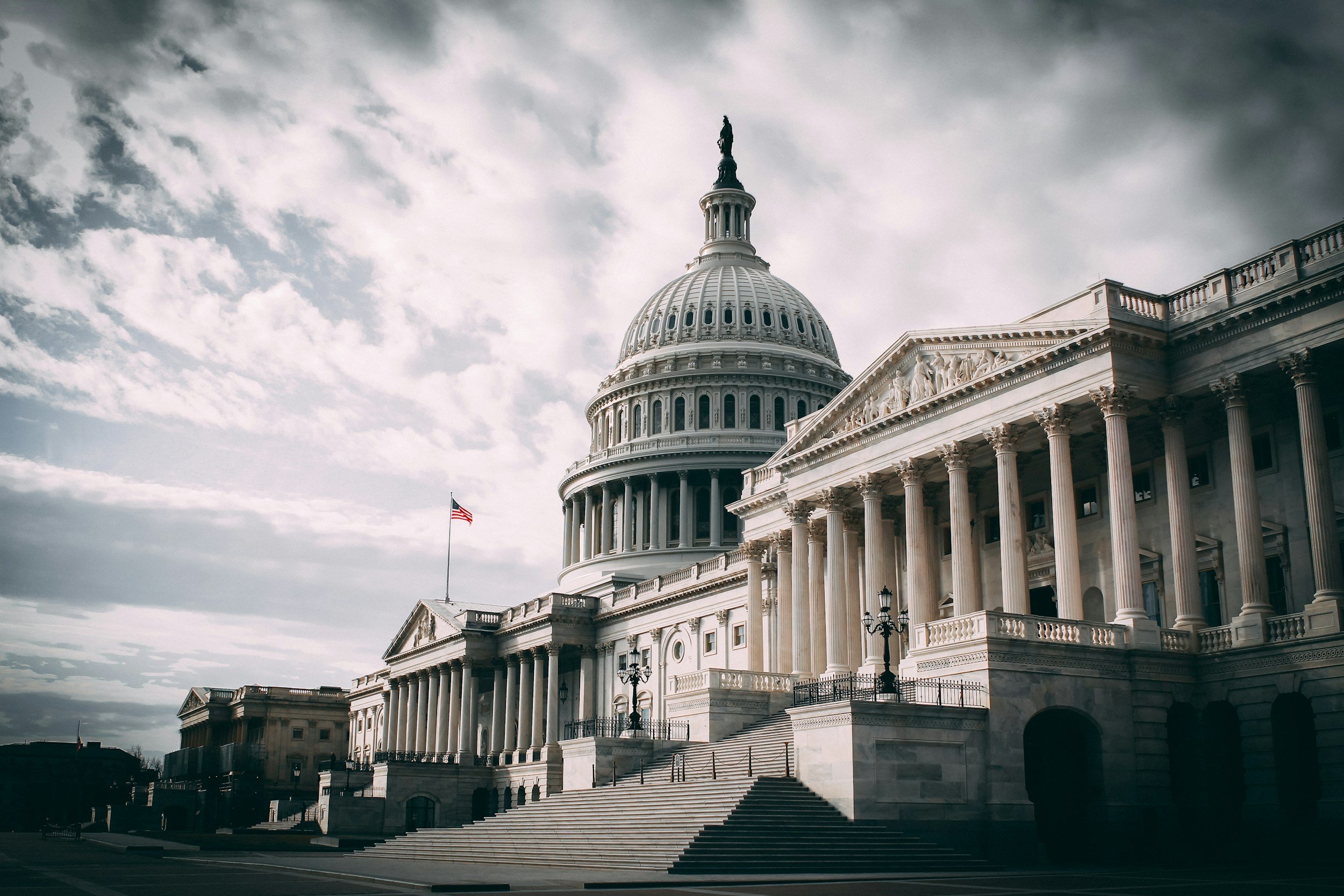
Congress is currently reconciling two very different visions for military housing in the FY2027 National Defense Authorization Act, and the distance between those two versions says a lot about how seriously BAH reform is actually being taken this year.
The House-passed version gives the Pentagon permanent authority to make temporary Basic Allowance for Housing increases, with a lower threshold for triggering them, a tiered pay raise of 5 to 7 percent depending on rank, and a required plan addressing unmet legal obligations tied to housing health, safety, and environmental hazards. The Senate Armed Services Committee's version advances a flat 3.6 percent pay raise across all ranks but, according to a Federal News Network commentary published last month, stops short of any structural change to how BAH itself gets calculated.
A pay raise and a housing fix are not the same policy, even when they arrive in the same bill.
Recent NDAA cycles have included provisions aimed at improving BAH accuracy and local market analysis, but implementation has lagged behind the language. BAH modernization affects roughly 30 percent of families living in privatized housing communities near their installation, since BAH rates directly sustain those communities financially. When BAH calculations fall behind local rent, both military families and the housing providers who depend on that revenue feel it.
Why families can't wait for Congress to decide

NDAA reconciliation typically runs into December, which means any changes to how BAH gets calculated wouldn't take effect until well into 2027 at the earliest. Families PCSing or renewing a lease this fall are making housing decisions based on today's BAH, not a hypothetical fix that may or may not survive conference.
That's a real gap for a family trying to plan a move right now. It's also, quietly, the argument for working with a housing provider who prices to current entitlement and adjusts if a family's BAH area gets revised mid-cycle, rather than one that's already pricing as though reform has passed.
What families are actually weighing right now
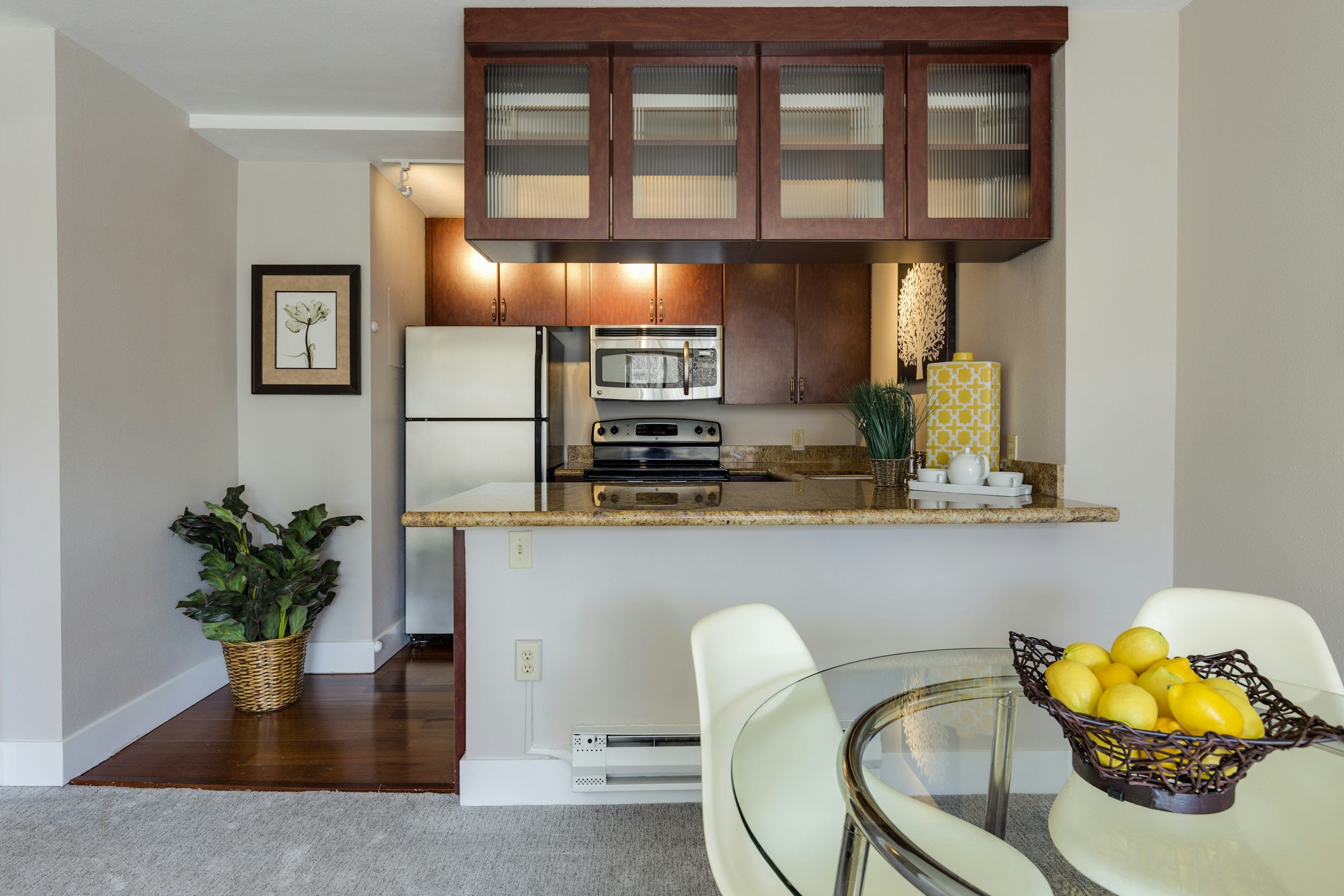
A junior enlisted family stationed near a base where rent has outpaced BAH by a meaningful margin doesn't have the luxury of waiting for a conference committee to finish its work. They're deciding this month whether to renew a lease, whether to absorb a gap between BAH and asking rent out of pocket, or whether to look for housing that's priced to fit what BAH actually covers today. None of those decisions get easier by watching the news for updates on where the NDAA stands.
The families who come out ahead in years like this one tend to be the ones who treat BAH as a fixed number to plan around rather than a figure that might improve if they just wait a little longer. Reform, if it comes, will apply to future BAH cycles. It won't retroactively cover a lease signed this fall at a rate the family couldn't quite afford.
Lima Charlie, Inc. has supported more than 37,000 households across 12 or more states and territories, holds active DoD and government contracts, and staffs live support around the clock. Our military housing team prices every placement to current BAH and JTR guidelines, whatever Congress eventually decides.
If your family needs housing certainty while BAH reform works its way through Congress, contact us or call (888) 418-4773. 📞 A real person picks up, not a loop of menus, any time, day or night.