
The Great ShakeOut Is October 15. Most Earthquake Displacement Plans Stop at "Drop, Cover, Hold On."
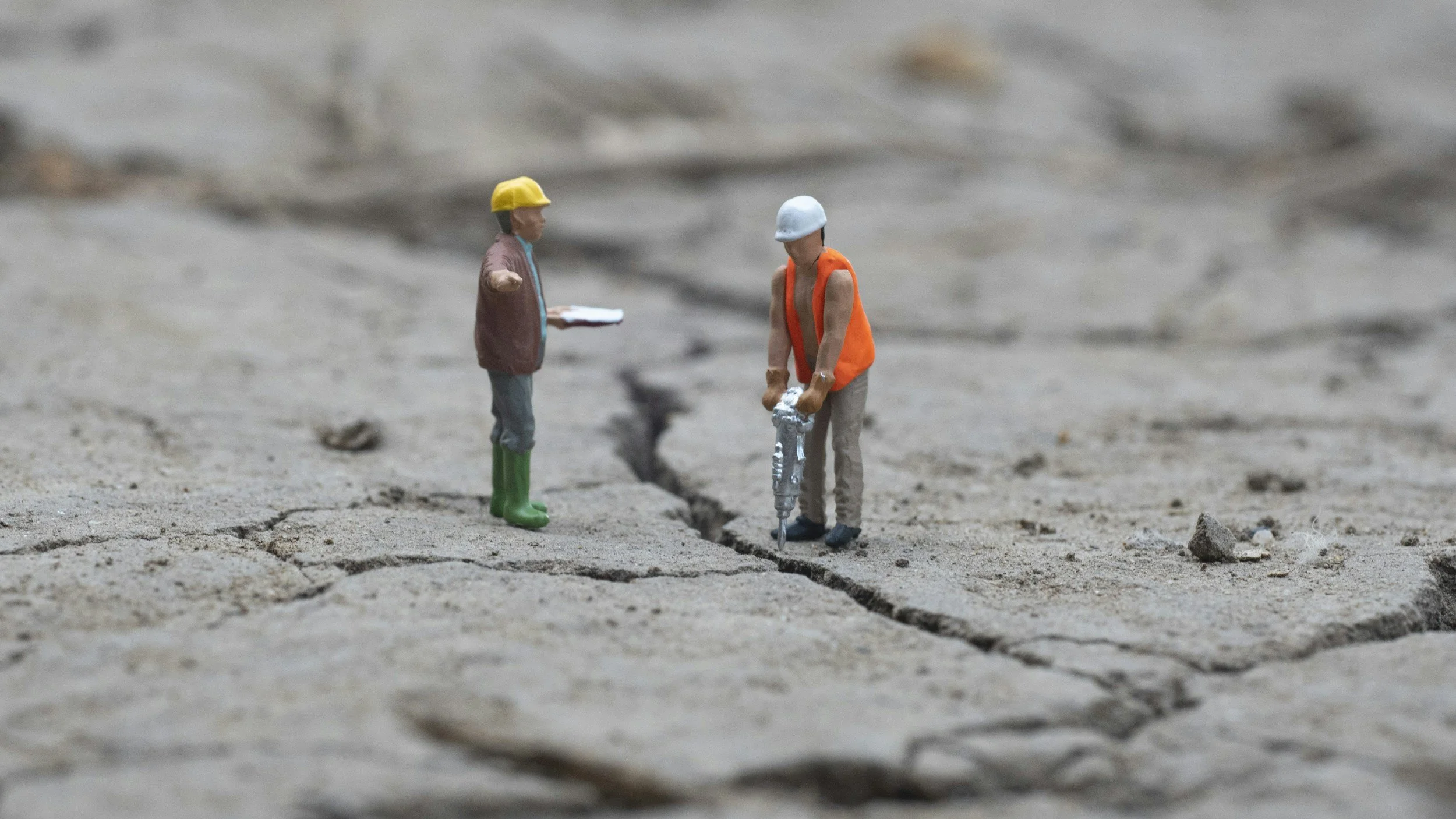
Millions of people across the country will take part in the Great ShakeOut earthquake drill this Thursday, practicing the same drop, cover, and hold on response taught in schools and offices nationwide. Fewer of those participants have thought past the drill to what happens next: earthquake displacement housing, the part of the plan almost nobody rehearses.
The Great ShakeOut started in California and has since grown into a multi-state, multi-country annual event, with participation regularly reaching into the tens of millions. It's built on a simple premise: muscle memory only works if it's practiced before it's needed.
You can drill for thirty seconds of shaking. You can't drill for three weeks in a hotel.
Where the plan usually ends
Drop, cover, and hold on addresses the shaking itself. It doesn't address the family whose apartment is red-tagged an hour later, or the household waiting on a structural inspection before they're allowed back inside their own home. Unlike a hurricane, an earthquake gives no warning and no evacuation window. Families go from an ordinary Tuesday to displaced in seconds, with no chance to plan ahead for the logistics that follow.
That makes response speed matter even more than it does in a slower-moving disaster. Furnished, move-in-ready units that don't require weeks of setup, live staffing that doesn't wait for aftershocks to stop, and a provider genuinely experienced with sudden-onset disasters rather than only seasonal ones, these aren't extras. They're the difference between a family sleeping somewhere stable within a day and a family sleeping in their car while paperwork moves through channels not built for speed.
Coordination with agencies managing red-tag inspections and temporary housing assistance matters just as much, since a family's ability to move into new housing often depends on documentation nobody expects to need until the ground actually shakes.
Why earthquake response looks different from storm response

Hurricane response, for all its urgency, comes with lead time. Evacuation orders go out days ahead. Families pack a car, choose a route, and know roughly what they're facing. An earthquake offers none of that. There's no watch, no warning, no window to gather documents or make a plan. A family goes from a normal afternoon to standing outside a red-tagged building in the same hour, often with whatever they happened to be carrying when the shaking started.
That compressed timeline is exactly why the housing side of earthquake response can't be built after the fact. Agencies and housing partners who've already worked out how red-tag documentation flows into a housing placement move families into stability in days. Agencies improvising that process for the first time during an actual event measure the same process in weeks.
Lima Charlie, Inc. has supported more than 37,000 households across 12 or more states and territories through active FEMA Direct Lease, DoD, and government contracts. Our emergency response housing team supports housing missions for sudden-onset disasters as much as seasonal ones.
If your family or agency needs an earthquake displacement housing plan that goes beyond the drill, contact us or call (888) 418-4773. 📞 A real person answers, any time, day or night.