
Oil and Gas Workforce Housing in the Permian Basin: 2026 Market Guide

Production in the Permian Basin has kept climbing even as growth strategy shifts from aggressive expansion toward efficiency and stabilization. Wells completed in the region have posted first-month production averaging 433,000 barrels of oil per day and roughly 780 million cubic feet of natural gas per day, output levels that reflect more advanced drilling and completion techniques rather than simply more rigs running. The Permian Strategic Partnership has projected the region will need close to 100,000 additional workers between 2020 and 2030 to support this level of activity, spanning everything from truck drivers to specialized operations managers.
That is the counterintuitive part of the current market. A flatter rig count reads, on the surface, like easing demand for oil and gas workforce housing. It is not. Lodging demand has become more selective and more project-driven rather than shrinking, tied to specific completions, midstream buildouts, and rotating specialized crews rather than a broad wave of new drilling.
TL;DR (Quick Summary)
The Permian Strategic Partnership projects close to 100,000 additional workers needed between 2020 and 2030
A flatter rig count does not mean less oil and gas workforce housing pressure
Core markets around Midland and Odessa are running near full occupancy
Secondary markets along interstate corridors offer more available capacity
Housing quality has become a retention tool, not a bare-minimum utility
Why "Flatter Rig Count" Doesn't Mean Less Housing Pressure
The nature of labor demand in the Permian has shifted. Instead of large, sustained crews tied to expanding rig counts, operators are now bringing in third-party contractors, specialized completion crews, and rotating workforces on tighter timelines. That kind of demand is harder to plan for using traditional long-term housing contracts, because a specialized crew might need housing for six weeks on one project and then move to a different site entirely.
At the same time, existing man camp and workforce lodging capacity in core areas around Midland, Odessa, and Pecos is running near full occupancy during active project phases. Operators who assume the market has "cooled" because rig counts are flat often find, once they actually start looking for housing for a new crew, that the workforce lodging supply has not loosened up nearly as much as production headlines suggested it would.
What's Actually Changed in How Companies Buy Housing
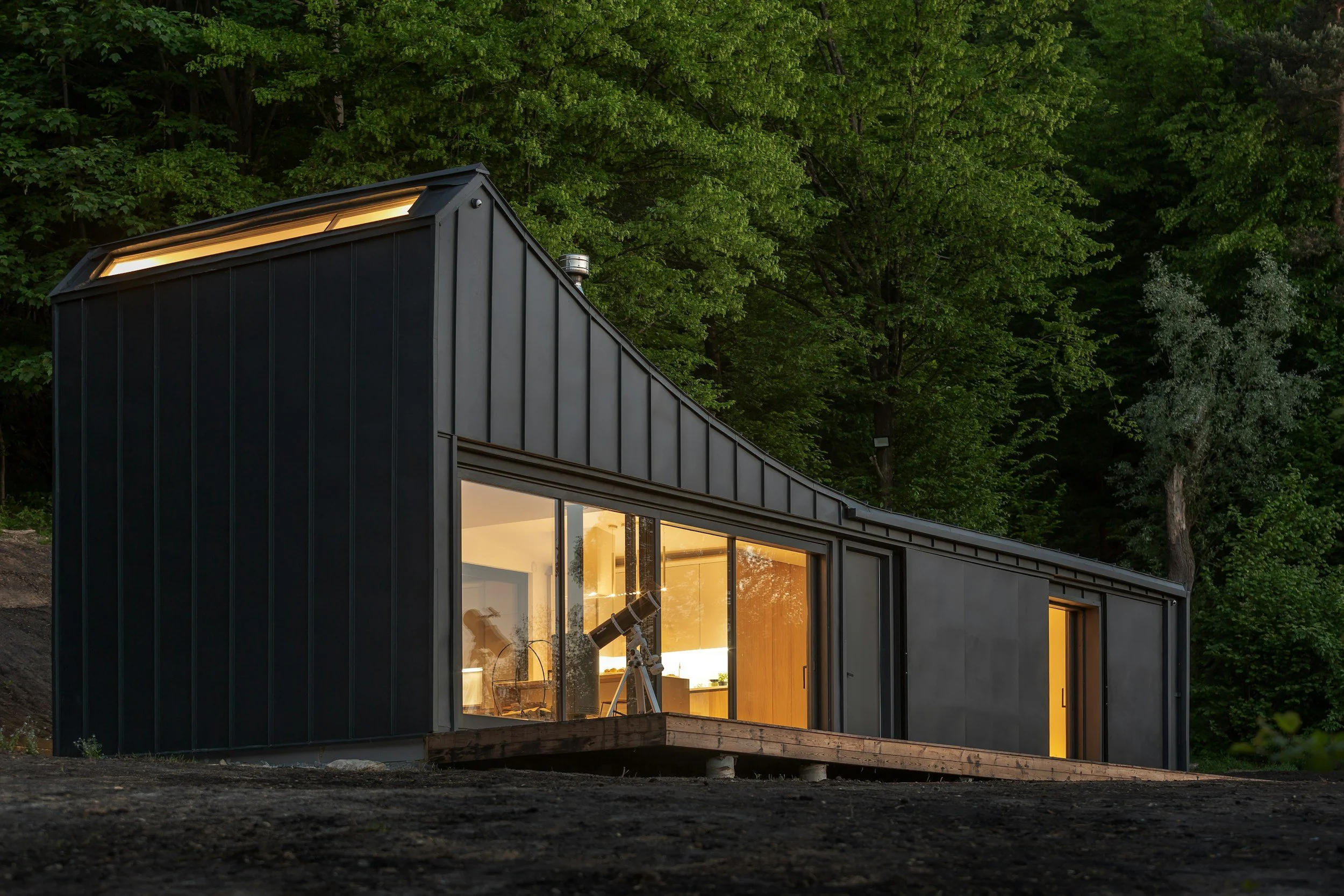
The workforce housing industry itself has shifted in response. Providers report a move away from crude, bunk-style temporary setups toward fully furnished units with private laundry, reliable high-speed internet, and large-vehicle parking, treating housing quality as a retention tool rather than a bare-minimum utility. That shift matters because skilled trades in this labor market have options, and a company that cannot offer decent living conditions loses candidates to one that can, the same dynamic playing out across the broader skilled trades and energy labor market right now.
Companies are also increasingly looking beyond the traditional core markets. Secondary hubs along interstate corridors, positioned within a reasonable drive of both Midland and Odessa, have emerged as viable options for companies priced out of, or unable to find capacity in, the most saturated core markets.
What This Means for Operators Planning Fall and Winter Projects
Crews do not slow down when the Permian cools off seasonally. Rigs keep turning, and coordinators still need beds, parking, and reliable amenities through the winter months regardless of production headlines. Operators planning fourth quarter and early next year project work should lock in housing capacity now, before winter demand tightens what is already a selectively strained market, rather than waiting until a crew is mobilized and discovering the nearest available lodging is a 45 minute drive from the site.
Companies with multi-site operations across the basin also benefit from working with a single housing partner who can place crews across several locations, rather than negotiating separately with different lodges or man camp operators for each project.
How Lima Charlie, Inc. Helps
Lima Charlie, Inc. provides fully furnished lodging for oil and gas and agribusiness workforces across West Texas, southeastern New Mexico, and other active energy corridors. We can scale housing capacity to match your project's actual crew size and timeline, including secondary markets outside the most saturated core areas.
Frequently Asked Questions
Has oil and gas workforce housing demand eased with a flatter rig count?
No. Demand has become more selective and project-driven, but overall pressure on housing capacity remains, particularly in core markets.
Should we consider secondary markets outside Midland and Odessa?
Yes, especially for projects that can tolerate a slightly longer commute in exchange for more available capacity and competitive terms.
How far ahead should we lock in housing for winter projects?
Now. Crews do not slow down seasonally, and winter demand tightens an already selectively strained market.

Final Thought
Oil and gas workforce housing in 2026 is not about whether the market has cooled. It is about matching the right housing strategy, core or secondary market, to your project's actual crew size and timeline.
Where Lima Charlie Inc. Fits In
Lima Charlie Inc. provides furnished corporate lodging for oil and gas and agribusiness workforces, including active support across West Texas, southeastern New Mexico, and other active energy corridors. No waitlists. No platform hunting. Just move-in ready housing built around your project, your timeline, and your crew size.
We have supported more than 37,000 households across 12 or more states and territories and bring that same standard to every corporate placement we manage.
Customer Service, 24/7 Support: (888) 418-4773. Real people. No automated systems. https://limacharlieinc.com/corporate-lodging