Guam Typhoon Readiness After Champi: What a Third Alert in 2026 Means for Military Families
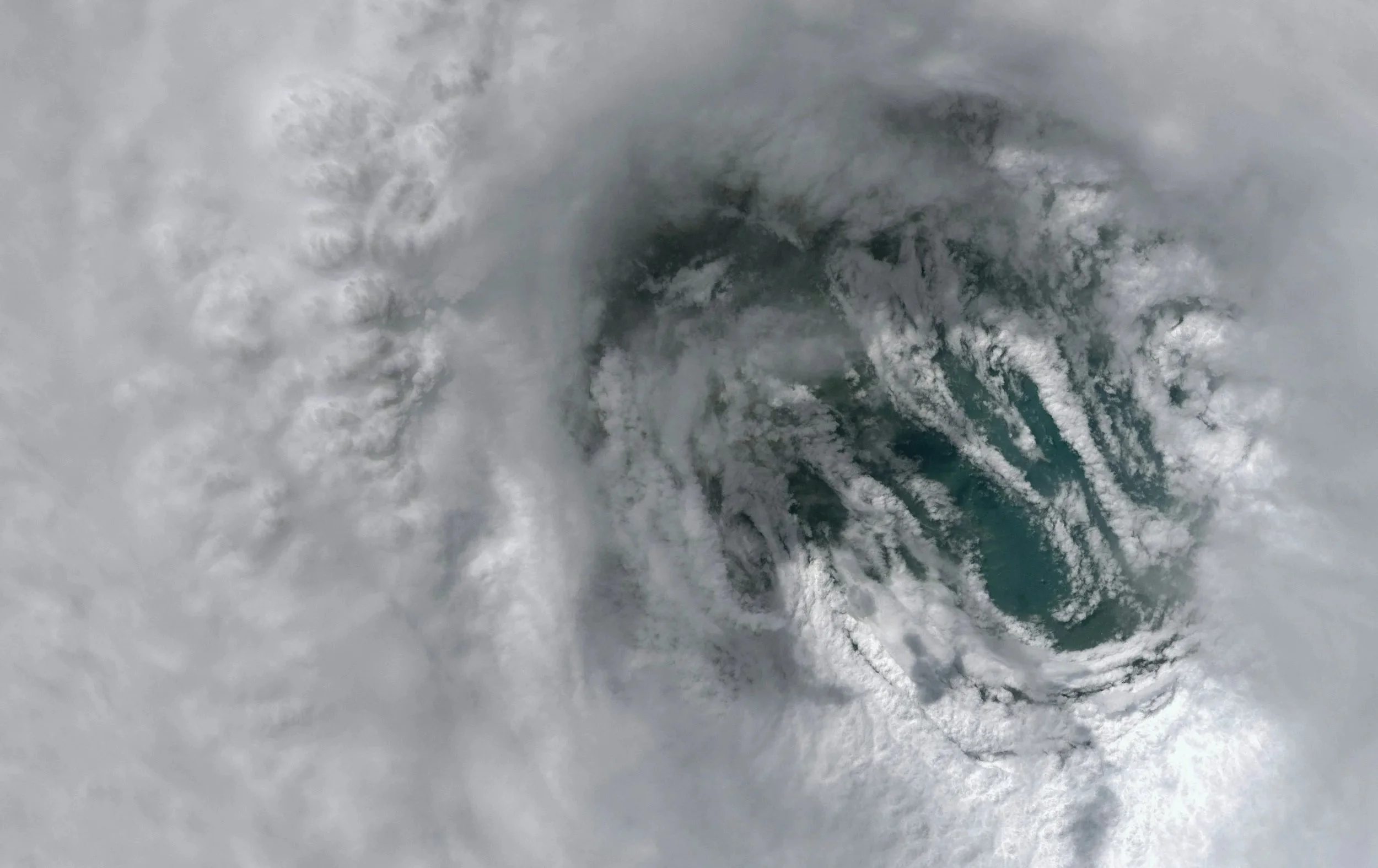
Super Typhoon Champi passed just south of Guam on October 18 as a Category 4 storm with sustained winds near 140 mph, and this time the island was spared the worst. FEMA's operations briefing the next morning said the storm had moved away without widespread impacts, that the island was moving into recovery, and that no search-and-rescue cases were open. For the service members and families stationed there, the weekend was still a reminder that Guam typhoon readiness is a year-round job.
Champi was the third storm of 2026 to put the Marianas on alert. Sinlaku pushed Guam and its bases into Condition of Readiness 2 in April before its track shifted north. Super Typhoon Bavi hit in July and received a major disaster declaration for Guam on October 7. Then Champi earned emergency declarations for both Guam and the Northern Mariana Islands, approved October 17, with FEMA warning that relief supplies were unlikely to reach the islands for three to five days.
On an island, the first week of a storm is a supply problem before it is anything else.
Guam typhoon readiness runs on four numbers
The island sits in Condition of Readiness 4 all year, which means destructive winds are always possible within 72 hours. Condition 3 shortens that to 48 hours, Condition 2 to 24, and Condition 1 to 12, when everyone stays indoors until the all clear. The military installations move with the island. During the Sinlaku alert, officials reported that services were significantly reduced at Condition 2: most morale and recreation facilities, fitness centers, child development programs, and retail operations closed, commissaries and gas stations ran limited hours, and Naval Hospital Guam moved to emergency services only. A family that has just arrived should learn those thresholds before the first alert, not during it.
What a storm can do to a PCS timeline
Typhoon Mawar showed how far the effects can reach. After it struck in May 2023, the Navy paused PCS moves to Naval Base Guam through the end of June and the Air Force halted inbound moves to Andersen for 60 days, at a time when roughly 21,700 service members and family members lived on the island. Champi's impacts were far lighter, so nothing here points to a repeat. Anyone holding orders to Guam this winter should still ask the sponsor and gaining command how storm recovery could change arrival dates and temporary lodging, and should keep every receipt from the transition.
The mainland end of the move matters as well. Families leaving Guam or heading there often need furnished housing stateside for a few weeks, priced to the allowances that apply. We broke down how overseas allowances differ from BAH in our post on winter PCS orders.

Where to turn for help
Guam Homeland Security and the Office of Civil Defense post island-wide updates at ghs.guam.gov. The Navy-Marine Corps Relief Society, the Air Force Aid Society, and Army Emergency Relief each offer financial help to eligible members of their branch and their families during an emergency.
Since 2021, Lima Charlie, Inc. has supported more than 37,000 households across 12 or more states and territories through active DoD and government contracts, including a household on Guam after Typhoon Mawar. We carry those numbers with humility, because each one was a family at a hard moment. Our military housing team places families stateside on either end of an overseas move.
If your family is heading to or from Guam and needs housing sorted, contact us or call (888) 418-4773. 📞 There may be a short menu first, but a live person picks up, any time, day or night.