
FEMA’s 47th Anniversary: Disaster Response, Emergency Management, and National Impact
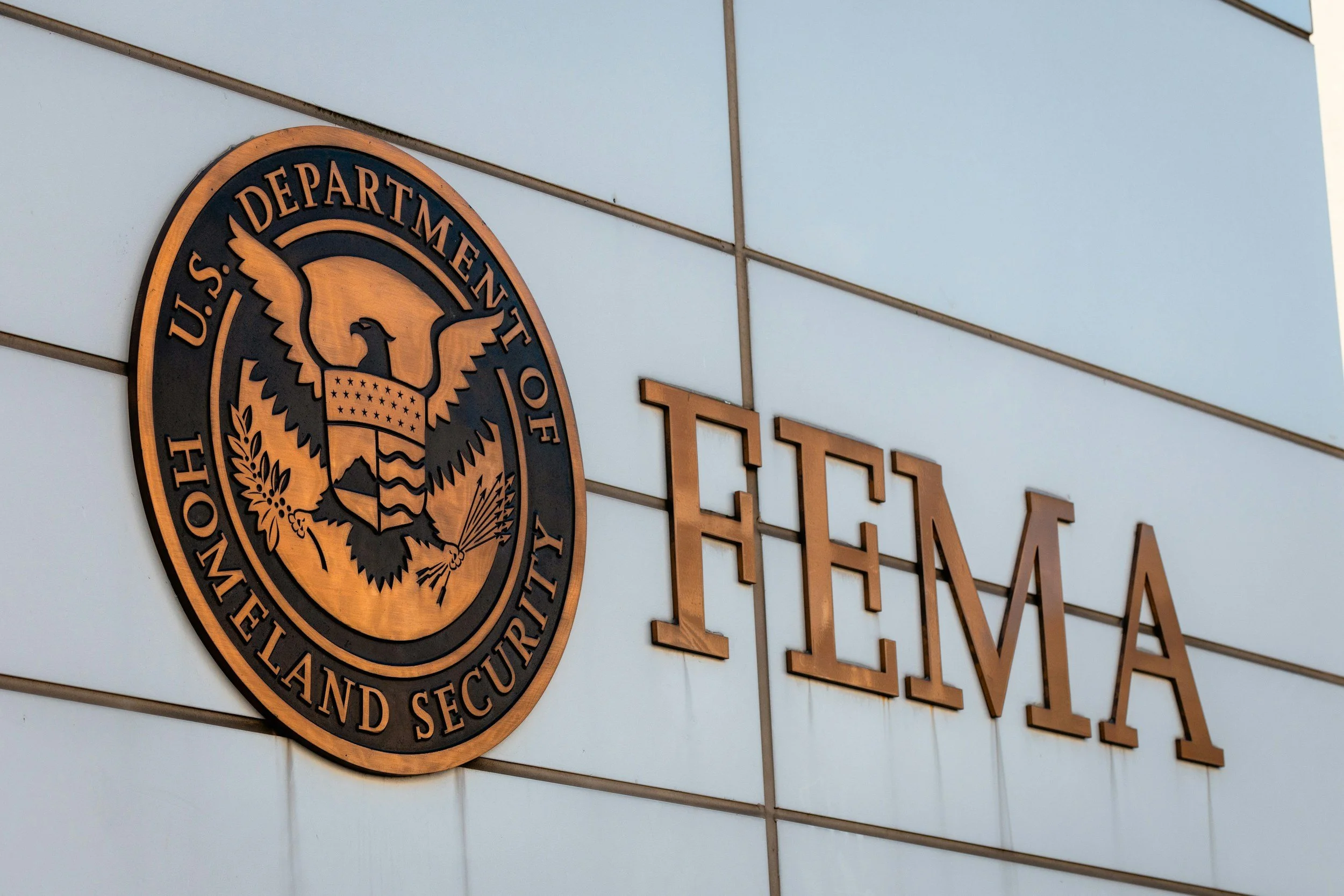
This year marks the 47th anniversary of the Federal Emergency Management Agency (FEMA), a central organization in disaster response and emergency management across the United States.
Since its establishment in 1979, FEMA has played a critical role in coordinating federal disaster response efforts, supporting communities before, during, and after emergencies. From hurricanes and floods to wildfires and large-scale disasters, FEMA continues to be a cornerstone of national resilience.
Learn more about FEMA’s mission: https://www.fema.gov

A Legacy of FEMA Disaster Response and Emergency Management
Over the past four decades, FEMA has shaped how the United States prepares for and responds to disasters. Its role in emergency management extends beyond immediate response to long-term recovery and mitigation.
FEMA’s Core Responsibilities Include:
Disaster preparedness and mitigation
Coordination of federal emergency response
Long-term disaster recovery and rebuilding
Support for state and local emergency management agencies
FEMA’s structured approach has helped standardize disaster response operations nationwide, improving coordination across agencies and partners.
The Role of FEMA in Emergency Response Coordination
Disaster response requires collaboration across multiple organizations. FEMA plays a central role in aligning federal, state, local, nonprofit, and private sector efforts during emergencies.
FEMA Coordination Becomes Critical When:
Communities experience large-scale displacement
Infrastructure is severely disrupted
Response teams are deployed across multiple regions
Recovery efforts extend over weeks or months
This level of coordination ensures that resources are deployed efficiently and that response efforts remain aligned during high-pressure situations.
Supporting FEMA Missions Through Operational Execution
Organizations across the emergency response ecosystem contribute to FEMA-supported operations by providing specialized services that help maintain continuity during disasters.
Lima Charlie Inc. supports emergency response efforts by providing rapidly deployable housing and lodging solutions for displaced individuals and deployed personnel. These capabilities help ensure that response teams can operate effectively without delays caused by housing logistics.
Since 2021, Lima Charlie Inc. has supported more than 37,000 households across federal, state, and emergency response programs, contributing to missions where speed, coordination, and reliability are essential.
Learn how housing supports disaster response operations:
https://www.limacharlieinc.com/blog/kona-storm-flooding-oahu
The Importance of Partnerships in Disaster Response
FEMA’s effectiveness is strengthened through collaboration with organizations across the emergency response ecosystem.
Key partners include:
American Red Cross, providing emergency shelter and humanitarian support
Team Rubicon, deploying veteran-led teams for disaster response and recovery
National Oceanic and Atmospheric Administration (NOAA): https://www.noaa.gov
National Weather Service (NWS): https://www.weather.gov
These partnerships ensure that disaster response efforts are comprehensive, coordinated, and scalable.
Looking Ahead: The Future of FEMA and Emergency Management
As disasters increase in frequency and complexity, the need for scalable and coordinated emergency response solutions continues to grow.
FEMA’s role in disaster response remains critical, but so does the role of private sector partners that support logistics, housing, and operational execution.
Preparedness, flexibility, and coordination will continue to define effective emergency management strategies in the years ahead.
Final Thoughts on FEMA’s 47th Anniversary
FEMA’s 47th anniversary highlights the importance of structured disaster response and coordinated emergency management across the United States.
From immediate response to long-term recovery, FEMA’s role remains essential in supporting communities when they need it most.
Organizations that contribute to this ecosystem, through housing, logistics, and operational support, help strengthen the overall response framework.
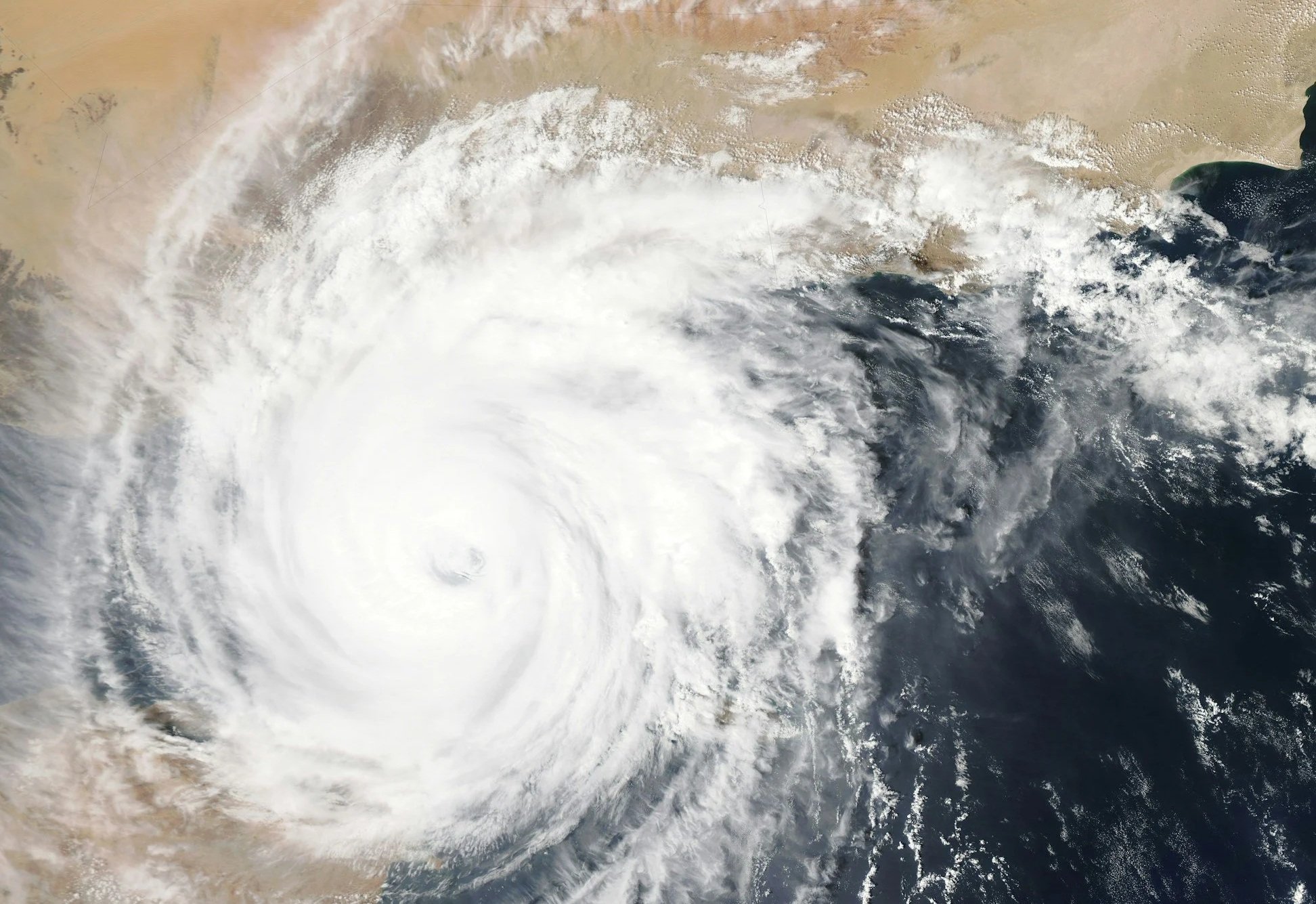
Supporting Emergency Response Efforts
If your organization is involved in disaster response or requires housing support during active operations, Lima Charlie Inc. provides flexible solutions designed for rapid deployment in emergency environments.
Customer Service – 24/7 Support: (888) 418-4773
You will reach a real person, not an automated system. Urgent needs are routed quickly to live support at any time.