
When Emergency Lodging Becomes Long-Term: 4 Signs It’s Time to Transition

Emergency lodging is designed to be immediate, flexible, and fast. But in many disaster responses, what begins as a short-term solution can quietly extend into weeks or months.
Knowing when to transition from emergency lodging to longer-term housing strategies is critical for agencies. Waiting too long can increase costs, strain occupants, and limit recovery outcomes.
Based on real-world emergency housing operations, here are four clear signs it’s time to shift from emergency lodging to a longer-term approach.
1. Occupants Are Staying Beyond Initial Timeframes
Emergency lodging is typically intended to bridge an immediate gap. When stays extend beyond the originally anticipated window, it’s often the first signal that a transition plan is needed.
Indicators include:
Repeated lodging extensions
No clear move-out timeline
Families settling into routines within temporary units
At this stage, continuing emergency lodging without adjustment can create instability for occupants and inefficiencies for agencies.
2. Costs Begin to Outpace Long-Term Alternatives
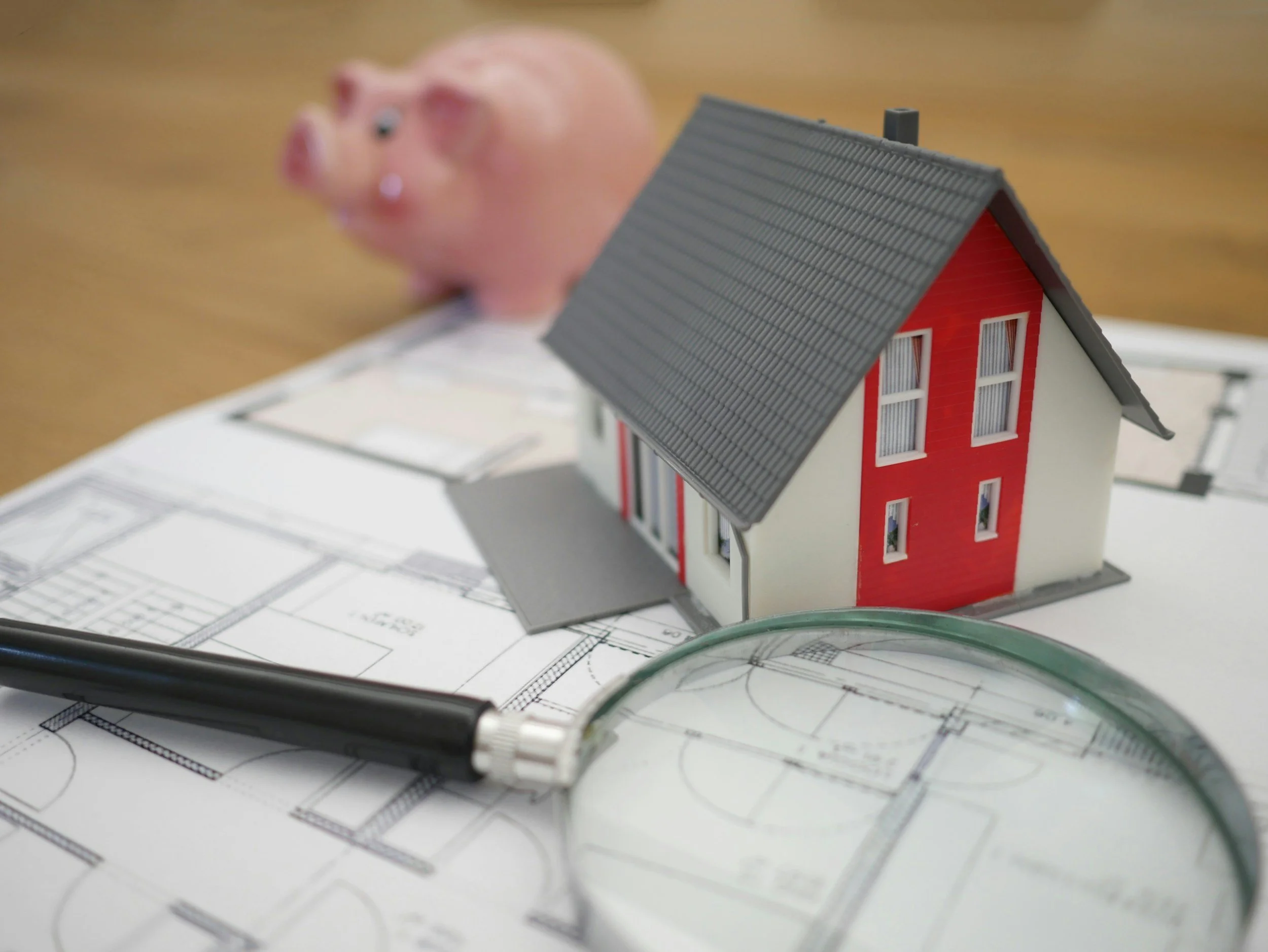
Short-term lodging solutions are rarely the most cost-effective over time.
When agencies notice:
Rising nightly or monthly lodging costs
Increased administrative overhead
Budget pressure from prolonged stays
…it becomes important to evaluate direct leases or longer-term housing options that provide better cost control and predictability.
Lima Charlie Inc. helps agencies assess when a transition makes financial and operational sense, without disrupting occupant placement.
3. Occupant Needs Become More Residential Than Temporary
As time passes, occupant needs often shift.
Common signs include:
Requests for additional space or privacy
Pet accommodations becoming essential
Children enrolled in local schools
Access to kitchens, laundry, or parking becoming critical
These needs signal that emergency lodging is no longer sufficient and that more stable housing will better support recovery and well-being.
4. Recovery Timelines Extend Beyond Initial Projections
Disaster recovery rarely follows a perfect timeline.
When rebuilding, repairs, or infrastructure restoration take longer than expected, agencies must adapt housing strategies accordingly. Continuing to rely solely on emergency lodging during extended recovery phases can slow progress and increase frustration for all parties involved.
A planned transition allows agencies to:
Maintain continuity of housing
Reduce relocation fatigue
Support longer-term recovery goals
Final Thoughts: Transitioning Is a Strategic Decision
Emergency lodging plays a vital role in disaster response, but knowing when to evolve the approach is just as important.
Agencies that recognize these signs early can:
Improve outcomes for displaced households
Control costs more effectively
Reduce operational strain
Support smoother recovery transitions
At Lima Charlie Inc., we help agencies navigate both immediate emergency lodging and longer-term housing solutions, ensuring continuity, dignity, and operational clarity throughout the recovery process.
Need Support with a Transition Now?
If your emergency lodging mission is extending longer than expected, or you need immediate guidance:
📞 Customer Service – 24/7 Emergency Support: (888) 418-4773
You’ll reach a real human being, not an endless automated system.
There may be a very brief automated menu, but emergencies are routed quickly to live support — any time, day or night.
When housing needs change, responsive support matters.