
When the Ground Gives Out: Inside Venezuela's Deadliest Earthquake in Over a Century
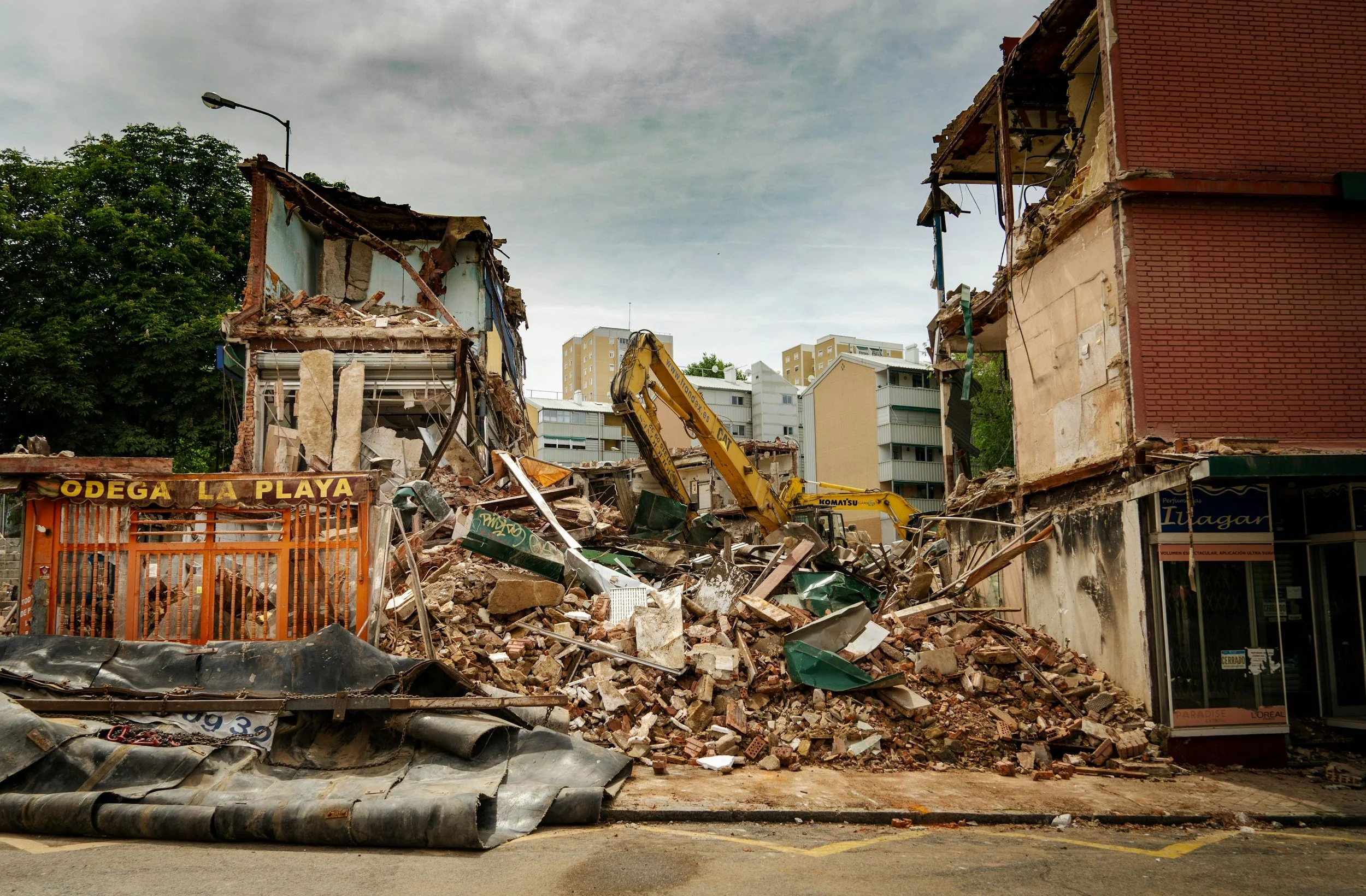
On the evening of June 24, 2026, the ground beneath Venezuela moved twice in 39 seconds. A 7.2 magnitude foreshock. Then a 7.5 mainshock. The strongest earthquake to hit the country in over a century. Within minutes, entire apartment blocks in Caracas and La Guaira had collapsed. Families who were home celebrating a national holiday were buried under concrete.
Three days later, at least 920 people are confirmed dead. Over 50,000 remain unaccounted for. Rescuers are still pulling people from the rubble. And the death toll is expected to rise significantly in the days ahead.
A Country Already at Its Breaking Point
To understand what is happening in Venezuela right now, you have to understand what was already happening before the earthquake hit.
Years of economic collapse, political crisis, and institutional decay had already gutted the country's infrastructure. Hospitals were operating without adequate equipment or medication. Power outages were a daily reality for most Venezuelans. Roads, buildings, and utilities had gone without maintenance for years. The government had neither the financial resources nor the institutional capacity to respond to a crisis of ordinary scale, let alone a catastrophic one.
When the ground shook on June 24, it did not just bring down buildings. It exposed every fracture that had been accumulating for years.
The result is a disaster that is harder to respond to than almost any comparable event in the region. Search and rescue teams arriving from Mexico, Chile, El Salvador, Spain, and the United States are working against not just rubble, but a broken communications network, a struggling medical system, and a media environment so restricted that accurate information about the full scope of damage is still not available. More than 200 websites remain blocked inside Venezuela, including local news outlets and social media platforms. In the hardest-hit coastal areas, communications have been almost entirely cut off.
No news from those areas is not good news. It is almost certainly the opposite.
What the Damage Actually Looks Like
The epicenters were in San Felipe, Yaracuy, but the destruction spread far beyond. Caracas, home to millions, saw dozens of buildings collapse. The coastal state of La Guaira suffered some of the worst structural damage, with independent tracking databases reporting more than 11,000 people missing in that area alone. The country's main international airport was closed after structural damage was found in the terminal roof.
Volunteers have been arriving at collapse sites with shovels, hammers, and basic tools because formal emergency resources cannot reach everywhere at once. One volunteer described moving between neighborhoods where buildings had fallen, finding some sites overwhelmed with helpers while others had almost no support at all.
The people who made it out are not safe yet either. With more than 30 aftershocks recorded since the initial event, many families whose homes are still standing are too afraid to go back inside. Tent camps have formed in public parks across Caracas. Displaced residents are receiving bags of clothes and basic supplies at makeshift distribution points. One mother told reporters she fled with her daughters because, in her words, they did not want to die there.
The Response So Far
The United States has moved quickly. U.S. Southern Command surged naval assets including the USS Fort Lauderdale and USS Billings to the region, along with C-17 and C-130 transport aircraft carrying rescue teams and supplies. Elite search and rescue crews from Virginia and California are on the ground. The level of direct military coordination between the U.S. and Venezuela represents a significant diplomatic shift given the tensions of recent years.
Several countries with significant earthquake response experience, including Mexico, Chile, and El Salvador, have sent emergency teams and medical supplies. The international community has recognized that Venezuela cannot absorb a disaster of this scale on its own.
But search and rescue, as urgent as it is, is only the opening chapter. The harder, longer work is what comes after: stabilizing tens of thousands of displaced families, rebuilding destroyed housing, and supporting a population that had very little to fall back on before any of this happened.
The Housing Crisis Inside Venezuela
When a disaster strikes a country with strong infrastructure, the housing response follows a predictable pattern. Temporary shelters bridge the gap while damaged homes are assessed and repaired. Government programs activate. Insurance adjusters arrive. People move back within months.
None of that framework exists in Venezuela right now.
The buildings that collapsed were not insured. The government programs that would normally coordinate temporary housing are under-resourced and overwhelmed. The repair and reconstruction pipeline requires materials, labor, and financing that the country does not have in sufficient supply. For the tens of thousands of families who lost their homes on June 24, the path back to stable housing is not measured in months. It is measured in years.
This is where international housing support organizations play a critical role. Lima Charlie operates housing and full support systems for displaced populations both inside and outside the United States. That means fully furnished, move-in-ready placements with utilities, logistics coordination, case management support, and a single point of contact for the agencies and organizations managing the response. Whether families are being housed within Venezuela through international aid channels, in neighboring countries as they wait for conditions to stabilize, or in the United States through humanitarian parole and asylum pathways, Lima Charlie is equipped to support the full continuum.
For government agencies, NGOs, and contractors coordinating housing as part of a broader disaster response, having a partner who understands that continuum from the ground up is the difference between placing a family in three days and placing them in three weeks.
What Comes Next
The USGS estimates a 43 percent probability that the final death toll will fall between 10,000 and 100,000. That uncertainty reflects how much is still unknown, and how much of the country remains unreachable by reporters and aid workers alike.
In the weeks and months ahead, as access improves and the full scope of displacement becomes clear, the demand for stable, dignified housing will grow substantially. The international response is just getting started. The organizations that are coordinating housing support now, before the full need is visible, will be the ones who can actually meet it when it arrives.
Lima Charlie is available around the clock to support agencies, NGOs, and government contractors coordinating housing for Venezuelan families, whether inside Venezuela, across the region, or in the United States.
Call (888) 418-4773 or visit our relief housing page to learn more about how we deploy internationally.