
Utah's Wildfire Season Just Broke Records. Here's Where Displaced Families Can Turn
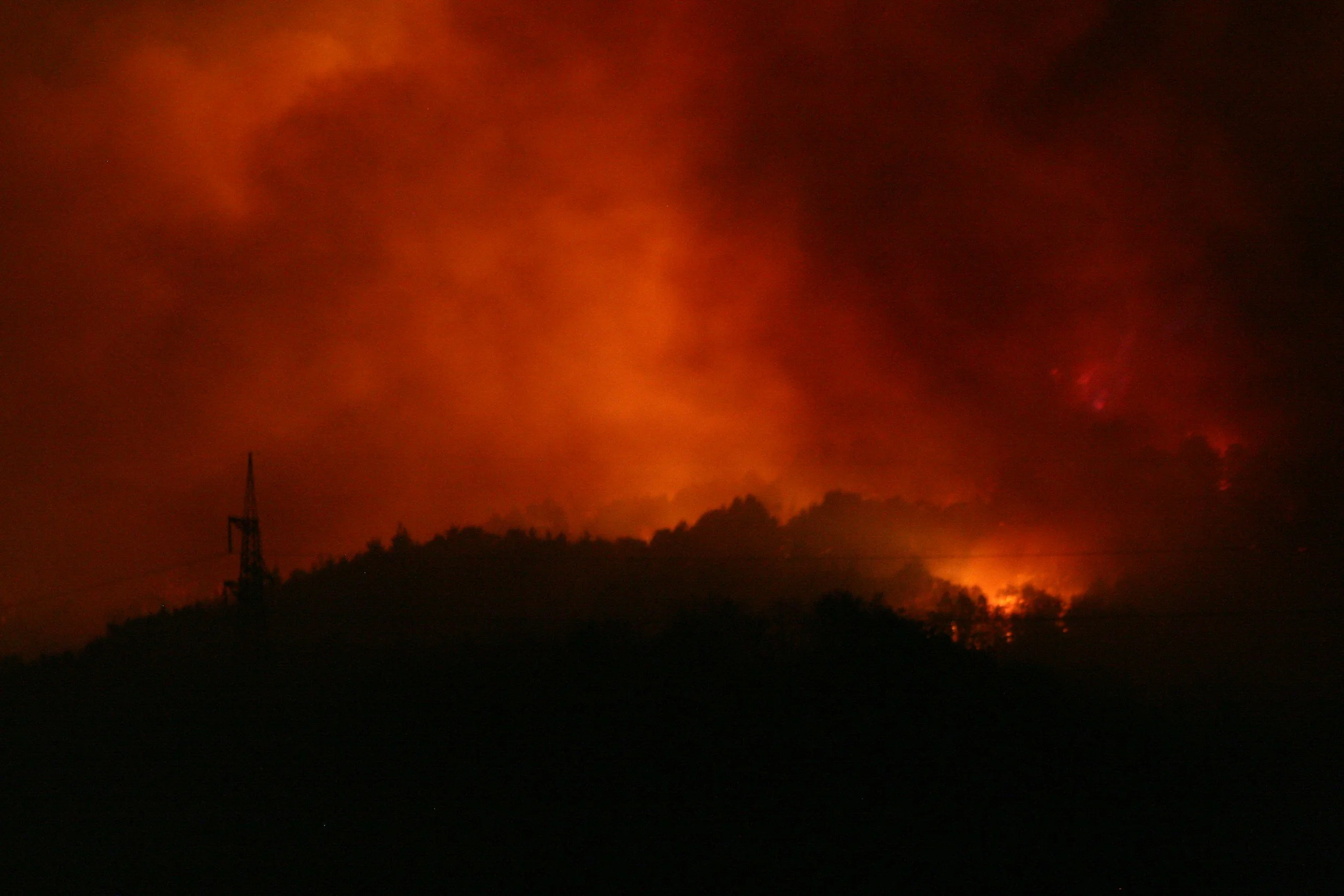
Utah is having the worst wildfire season anyone can remember, and it is only the first week of July. The state has already logged close to 300,000 acres burned, roughly four times what had burned by this point last year, following the warmest winter on record and the lowest snowpack since 1930. For families and agencies trying to figure out Utah wildfire emergency housing options right now, the ground is shifting daily.
This post lays out what is actually happening and where to turn if you or someone you serve has been pushed out of a home.
What Is Burning Right Now
Three fires are driving most of the concern. The Cottonwood Fire near Beaver, in the Fishlake National Forest, has become the most destructive wildfire in Utah history, burning nearly 94,000 acres and destroying more than 150 structures, including significant damage at Eagle Point Ski Resort. The Babylon Fire in San Juan County has grown past 85,000 acres with no containment, prompting evacuations near Blanding and a closure of the Needles District in Canyonlands National Park through the end of July. The Snyder Fire, burning along the Utah-Colorado border in Grand County, has burned more than 30,000 acres and tragically claimed the lives of three federal wildland firefighters in a burnover incident in late June.
Conditions got so extreme in late June that NPR reported the National Weather Service office in Salt Lake City had issued its first-ever "particularly dangerous situation" red flag warning, a designation it had never used before in its history.
Governor Spencer Cox has declared a state of emergency and issued a temporary statewide ban on fireworks through July 5. In the governor's own announcement, Cox called it "a temporary measure for an extraordinary year," pointing to fire behavior that even veteran firefighters say they have never seen before. Stage 2 fire restrictions are in effect on state and federal land statewide, and smoke from multiple fires is pushing air quality to unhealthy levels across several counties, including areas well outside the immediate fire perimeters.
Is FEMA Direct Lease Housing Available for These Fires
Not yet, and that distinction matters. FEMA has approved Fire Management Assistance Grants for both the Cottonwood and Cherry Fires, which reimburse Utah for 75 percent of firefighting costs. FEMA's own announcement is explicit that these grants do not provide assistance to individual home or business owners. A full Major Disaster declaration with Individual Assistance is what actually activates FEMA Direct Lease housing for displaced residents, and that has not happened for these fires as of this writing.
Families and agencies do not need to wait on that declaration to start lining up housing. Lima Charlie, Inc. specializes in rapid deployment housing, mobilizing furnished, move-in-ready units within 24 to 48 hours of a request, independent of where the federal paperwork stands. That timeline holds whether the eventual bill runs through a FEMA Direct Lease contract, an insurance claim, or a family paying out of pocket while their claim is processed. The catch is that the relationship has to already exist. Housing providers without an active contract cannot simply step in once a fire starts, which is why agencies serving fire-prone counties in Utah are encouraged to line this up well before peak season.
What Happens to Families When a Fire Takes the House

The pattern repeats every fire season. The evacuation order comes with almost no notice. Families grab what fits in a car and a few days of clothes. Then the waiting starts. If the home is damaged or destroyed, insurance adjusters cannot always get out to rural fire zones quickly, especially with roads closed for firefighting operations. FEMA rental assistance takes time to process. Hotels near the fire perimeter fill up within hours, and anything short-term within a reasonable drive gets booked by day two.
By the end of the first week, families are commonly splitting up between relatives' couches, kids are missing school, and every phone call is either to an insurance line on hold or a hotel with no vacancy. None of this is a failure of any one person's planning. It is what happens when 300,000 acres burn in a state that was not built for a fire season this size this early in the year. For federally declared disasters, FEMA Direct Lease housing is designed to shortcut exactly this gap, placing eligible households into existing, furnished, ready-to-occupy properties with utilities included instead of leaving them to navigate hotels and insurance lines alone. Utah State Forester Jamie Barnes has put the scale of this season in blunt terms to FOX 13 Now, saying the state is "pushing 80% of human-caused wildfires" this year alone.
What to Look for in an Emergency Housing Partner
Not every housing provider is built for the speed a wildfire season like this one demands. Here is what the right partner should offer before you need them:
Fully furnished, move-in-ready inventory. Placements within 24 to 48 hours are the floor, not a premium feature. If a vendor cannot commit to that window, they are not built for wildfire-speed deployment.
Active FEMA program participation. Not a pending application. A vendor still waiting on approval cannot help you when the declaration drops.
24/7 live staffing. A real person on the line, not a call center queue. Evacuations do not happen on business hours.
A verified track record of real disaster deployments. Not just corporate relocation experience. Ask for reference deployments from actual wildfire, hurricane, or flood responses.
Scalable inventory across multiple states and counties. Utah fires do not respect county lines, and neither should your housing partner's coverage.
For Agencies, the Next Few Weeks Matter
Emergency managers and contracting officers who lock in a housing partner before the fire is already burning avoid the scramble entirely. The Great Basin Coordination Center is forecasting above-average fire potential for all of Utah above 3,500 feet, and the most active window for northern Utah is still ahead in August and September. The fires burning today are unlikely to be the last this season.
Pre-establishing a relationship now means no procurement delay later, no vendor qualification scramble mid-crisis, and no explaining to leadership why families are sitting in shelters while housing options sit un-activated.
"I have been in property management for over 20 years. I would have to say Lima Charlie has been one of the easiest and most knowledgeable relocation companies I have worked with."
— Debbie Johnston, Property Manager, Tangi Lakes Townhomes, Hammond, Louisiana
We Hear You Loud and Clear
Lima Charlie, Inc. has placed more than 37,000 households across 12 or more states and territories following hurricanes, wildfires, and floods. We hold an active FEMA Direct Lease contract, active DoD and government contracts, and 24/7 live staffing built for exactly this moment.
Ready for a Verified Housing Partner in Utah?
If your family or agency needs a verified wildfire housing partner in Utah, do not wait for the federal paperwork to catch up.
Call us at (888) 418-4773. A real person answers every time.
Agencies preparing for the rest of the season can request our free Wildfire Housing Readiness Checklist on the same call.