
Super Typhoon Sinlaku Hit Guam and the Marianas. Here Is What Is Happening and How to Help.
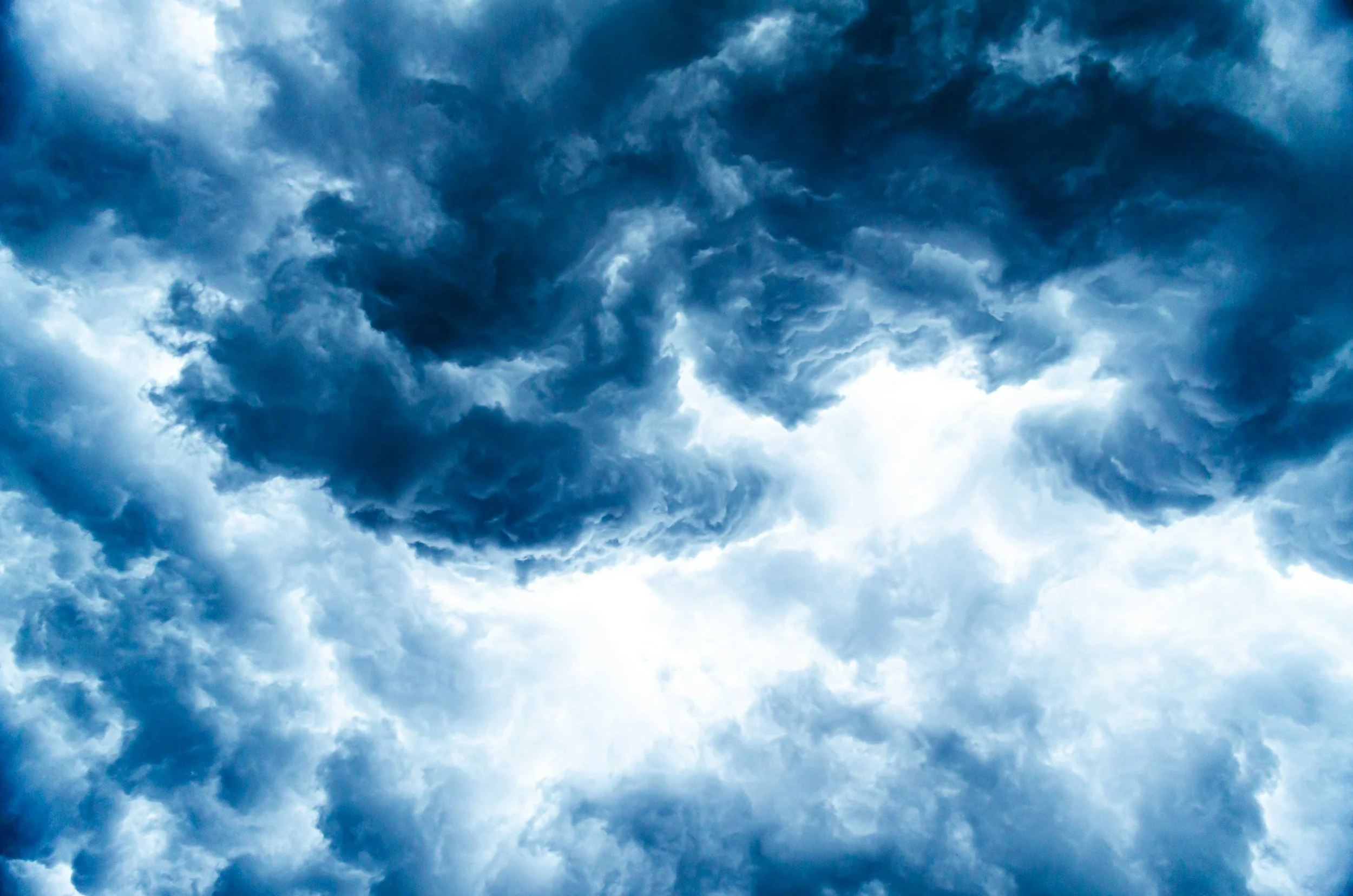
On April 11, 2026, Super Typhoon Sinlaku began battering Guam with sustained winds, flash flooding, and widespread power outages. By April 14, the storm made direct landfall in the Northern Mariana Islands as a Category 4 typhoon, with sustained winds of 150 mph and gusts reaching 185 mph. Saipan and Tinian suffered catastrophic damage to homes and infrastructure, with over 20 inches of rain recorded and nearly total power blackouts across both islands.
President Trump approved an Emergency Declaration for Guam on April 17. HHS Secretary Robert F. Kennedy Jr. declared a Public Health Emergency the same day. FEMA has authorized direct federal assistance at 75% federal funding for the entire territory. The Red Cross is managing active shelters across Guam, Saipan, and Tinian. Recovery is underway but far from over.
What families on the ground are facing right now
The hardest part of a typhoon is not the storm itself. It is the weeks that follow, when the wind stops but the displacement has only begun. Families whose homes were destroyed or rendered uninhabitable are now navigating a recovery system that was itself disrupted by the same storm. Power restoration, water services, and medical access remain the most urgent challenges across the islands.
Hundreds of service members and their families sought emergency assistance at the Emergency Family Assistance Center established at Naval Base Guam. Community members across Saipan and Tinian are relying on Red Cross shelters for meals, water, and basic medical care. The recovery infrastructure is active, but the needs are outpacing what any single organization can address alone.
The storm lasted hours. The displacement it created will last months. The communities that recover fastest are the ones with the most organized support behind them.
Why housing is the linchpin of typhoon recovery
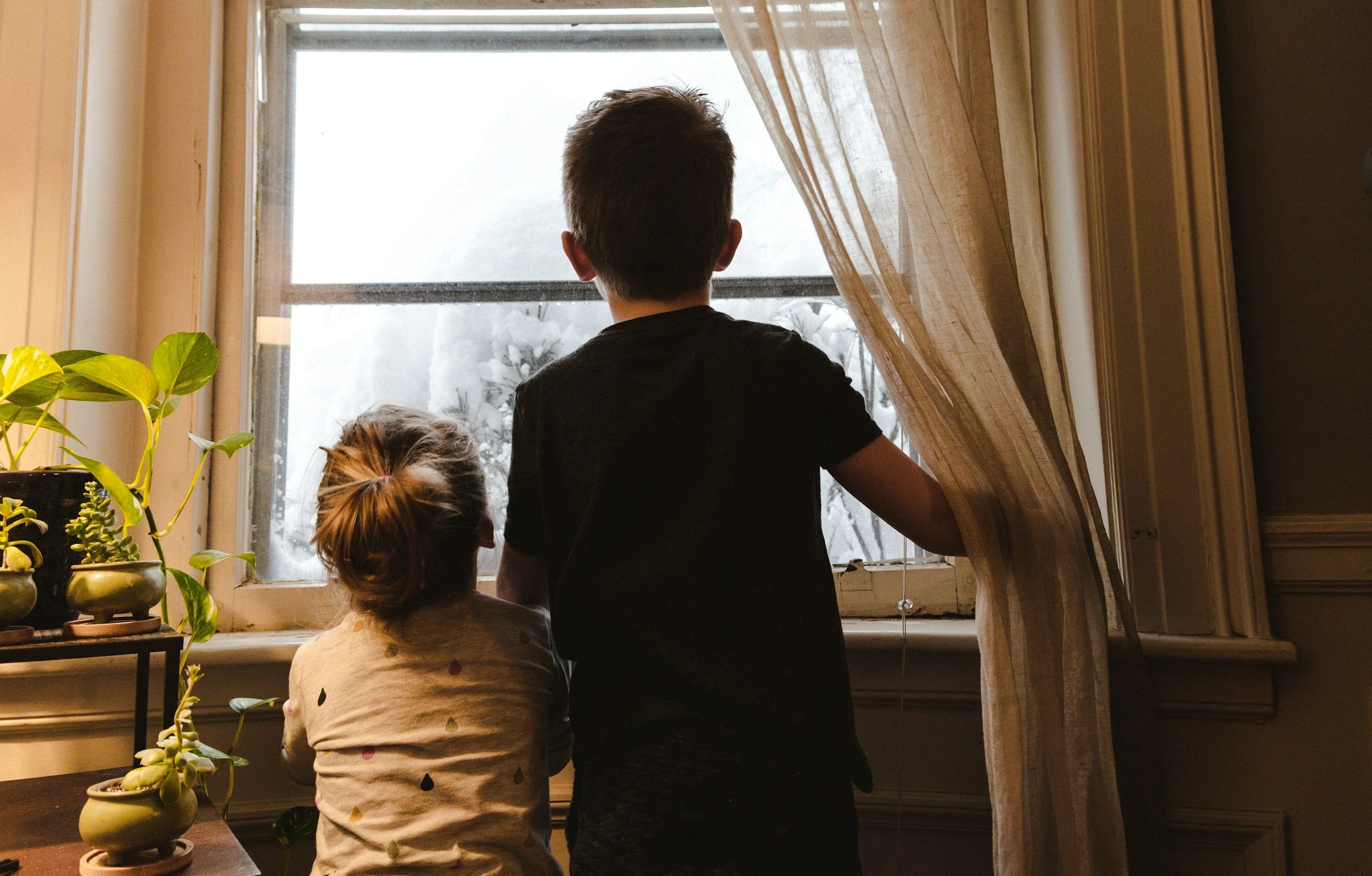
Emergency shelter keeps people safe in the immediate hours after a disaster. But shelter is not recovery. Recovery begins when a family has a stable, private, dignified place to sleep, make decisions, and begin rebuilding their lives. The gap between shelter and stable housing is where recovery either accelerates or stalls.
For island communities like Guam and the Northern Marianas, that gap is compounded by geography. Supply chains are longer. Construction timelines are slower. Temporary housing inventory is limited. When permanent housing is not immediately available, the quality, structure, and duration of interim lodging becomes the single most important factor in how quickly communities stabilize.
What a capable emergency housing response looks like here
A capability statement for typhoon recovery is not a list of available rooms. It is a demonstrated ability to coordinate placements quickly, document every household to FEMA compliance standards, sustain that support through the full displacement period, and provide human-led accountability throughout. Lima Charlie Inc. has supported more than 37,000 households across federal, state, and emergency response programs since 2021. We operate with the intake structure, compliance framework, and 24/7 coordination capacity that recovery operations at this scale require.
Recovery does not wait for bureaucracy to catch up. The families who stabilize fastest are the ones whose housing partners were already ready when the storm arrived.
💙 You can help support Guam and Mariana Islands recovery efforts
The following organizations are actively deployed and accepting support:
🔴 Donate to the American Red Cross — Active shelters on Guam, Saipan, and Tinian providing food, water, health services, and disaster mental health support.
www.redcross.org | Call: 1-800-RED CROSS | Text: REDCROSS to 90999
🪖 Support Team Rubicon — Veteran-led disaster response organization assisting with debris removal, damage assessment, and community recovery operations.
teamrubiconusa.org
🌀 Follow official updates from the National Weather Service Guam Forecast Office, NOAA, FEMA, and Guam Homeland Security Office of Civil Defense for the latest conditions and recovery guidance.
www.fema.gov | ghs.guam.gov | www.weather.gov
If you have a loved one or friend displaced or unaccounted for, visit redcross.org/gethelp to submit a reunification request.
Supporting agencies coordinating recovery housing in Guam and the Pacific
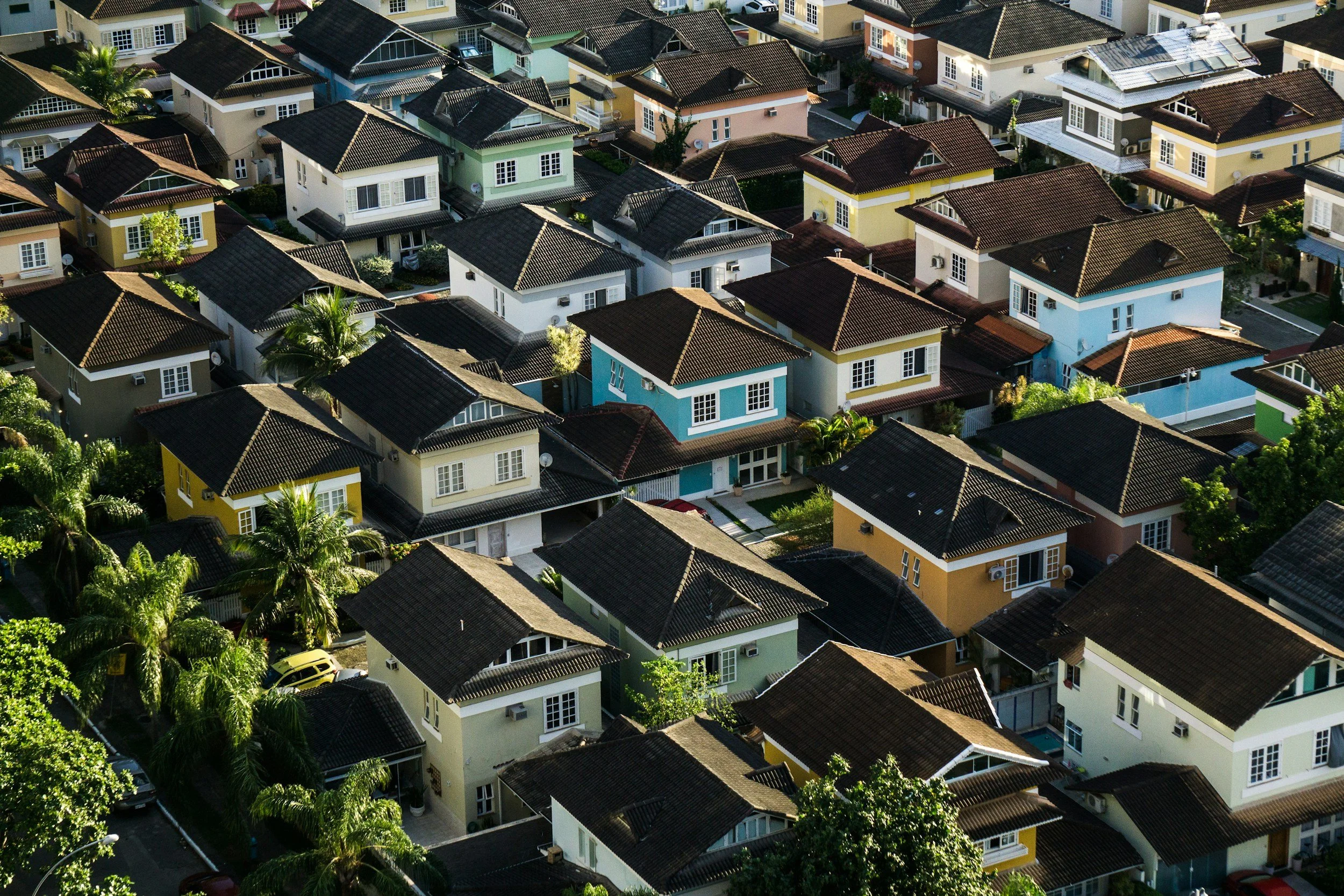
If your agency is coordinating emergency housing placements for typhoon-displaced residents or response personnel in Guam or the Northern Mariana Islands:
📞 (888) 418-4773 — 24/7 Live Support
You will reach a real person immediately. No automated loops. No waiting. Emergency housing coordination needs are answered now, any time, day or night.
When communities are rebuilding after catastrophic displacement, having a structured, accountable housing partner matters from day one.
Lima Charlie Inc. provides rapid, compliance-ready emergency lodging for displaced communities and response personnel nationwide and across U.S. territories. Active. Accountable. Ready.