
Is Your Cooling Center Plan Ready? Extreme Heat and Temporary Housing, Explained

July is FEMA's Extreme Heat Awareness Month, and this year the timing could not be more literal. A historic heat dome has settled over the central and eastern United States, pushing heat index readings past 110 degrees in some cities and putting more than 200 million Americans under heat alerts heading into the holiday weekend. For families and agencies thinking about extreme heat temporary housing needs, this is not an abstract planning exercise. It is happening right now.
Just How Bad Is This Heat Dome
New York City's Central Park hit 100 degrees on July 2, tying a record last set in 1966 and marking the location's first triple-digit reading in 14 years. More than 20 cities broke or tied daily temperature records in a single day. Washington, DC, and Philadelphia both flirted with all-time highs, with heat index values climbing as high as 110 degrees. The part that makes this stretch especially dangerous is that overnight lows are barely dropping into the 70s and 80s in many cities, which means the body never gets the recovery window it needs between one dangerous day and the next.
When the Power Goes Out, So Does Everyone's Cooling Plan
More than 100,000 customers were without power nationwide at the peak of this heat wave, and Con Edison alone reported over 200,000 customers affected across the New York City area. The Department of Energy issued emergency orders to grid operators serving the Mid-Atlantic to reduce the risk of outages, and regional grid operator PJM forecast electricity demand surpassing a record set back in 2006. New York City Mayor Zohran Mamdani activated a Heat Emergency Plan and opened hundreds of cooling centers across the five boroughs, telling residents plainly, "know where you will go to stay cool." At least one heat-related death has already been confirmed, a 68-year-old man in Pennsylvania who suffered a fatal heart attack brought on by heat exhaustion while doing yard work.
Extreme Heat Is a Housing Problem, Not Just a Weather Problem
A cooling center solves the afternoon. It does not solve the night, and it does not solve a family whose power has been out for two or three days straight with no restoration timeline. Elderly residents, people on powered medical equipment, and families with young children cannot simply wait out a multi-day outage in a house that never drops below 85 degrees after dark. That is where the conversation shifts from a cooling center visit to actual temporary housing, the same kind of emergency response housing we activate for hurricanes and wildfires.
Most emergency housing planning still centers on hurricanes, wildfires, and floods. Heat rarely gets the same treatment, even though FEMA and public health officials consistently point out that heat is the deadliest weather hazard in the country year over year. A prolonged outage during a heat dome creates the same basic problem a fire or flood does: people cannot safely stay in their homes, and they need somewhere furnished and livable to go, often on short notice and for an unpredictable number of days.
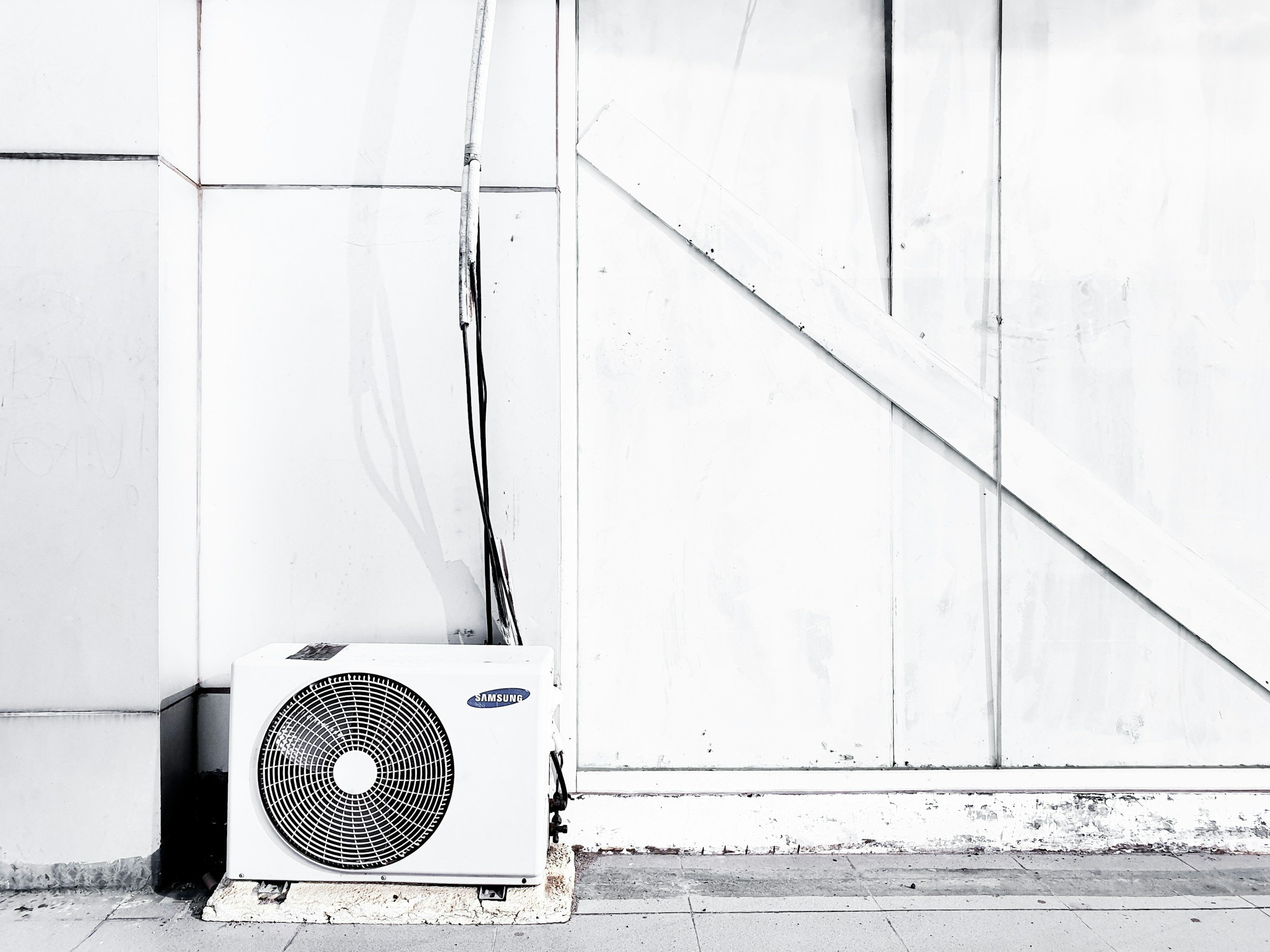
What to Look for in Emergency Housing During a Heat Emergency
A cooling center is designed for hours, not days. If a family or an agency needs something that holds up longer, here is what actually matters:
Fully furnished, air-conditioned units ready same-day. A family displaced by a grid failure does not have days to wait on a housing search. The unit needs working climate control from the moment someone walks in.
No dependence on the same grid that just failed. A housing partner with inventory spread across multiple utility territories and states means one regional grid emergency does not leave everyone stranded at once.
24/7 live support, not a triage line. Heat emergencies escalate fast for older residents and people with health conditions. A real person needs to be reachable at 2 a.m., not just during business hours.
Flexible, short-notice terms. Nobody knows in advance whether a grid failure lasts a day or a week. The right housing partner does not require a family to commit to a lease term to get a safe place to sleep tonight.
For Agencies, Heat Season Deserves the Same Prep as Fire Season
Emergency managers who build wildfire and hurricane response plans months in advance often treat extreme heat as a public messaging problem rather than a housing problem. FEMA Region 5 Administrator Tom Sivak put it directly in a past #SummerReady briefing: "taking simple steps to protect yourself isn't just smart, it could save your life." That advice holds for individuals, but agencies coordinating a response for vulnerable populations need more than messaging. They need a housing partner already on contract before the next heat dome parks over their region, not after the cooling centers are already full.

We have placed more than 37,000 households across 12 or more states and territories following hurricanes, wildfires, and floods, and that same rapid deployment model applies just as directly to extreme heat displacement. The properties are furnished, air-conditioned, and ready, not something an agency has to build from scratch after the grid has already failed. Government teams and agencies can also see how our housing missions work across disaster types.
Ready for a Housing Partner Before the Next Heat Dome?
If your family or agency needs furnished, air-conditioned housing on short notice during a heat emergency, do not wait until the cooling centers are at capacity.
Call us today at (888) 418-4773. A real person answers every time.
Agencies building out a summer heat response plan can request our readiness checklist on the same call, or reach out to our team directly.